I stared at my laptop last year, tabs open to a dozen cities for my first solo trip. Options everywhere. Budgets blurring. What if I picked wrong? It hit me—planning felt like wrestling a storm.
I'd been there before on group trips, but alone? Doubts piled up. Safety worries. Loneliness creeping in. I needed a way that felt steady, not chaotic.
This turned it around for me. Simple choices early on made the whole thing calm.
How To Plan A Solo Trip For The First Time Without Stress
This is the process I follow now for any solo trip. You'll pick a spot that fits you, build a loose frame, and book what matters most. The result? A trip that feels balanced and yours, with room to breathe.
What You’ll Need
- A compact leather travel journal (5×7 inches, ruled pages) to jot thoughts and daily outlines.
- Anker portable charger (10000mAh, slim black) for keeping your phone alive all day.
- Cotopaxi lightweight daypack (16L, allpa navy) that carries essentials without bulk.
- Sony noise-cancelling headphones (WH-1000XM4, black) to unwind on flights or in crowds.
- Travelon anti-theft crossbody bag (mesh black, RFID blocking) for secure, hands-free carry.
- Merrell Moab 2 ventilated hiking shoes (women's brown, size 8) that walk miles comfortably.
- Contigo insulated water bottle (24oz, autumn leaf) to stay hydrated without buying plastic.
Step 1: Pick One Forgiving Destination
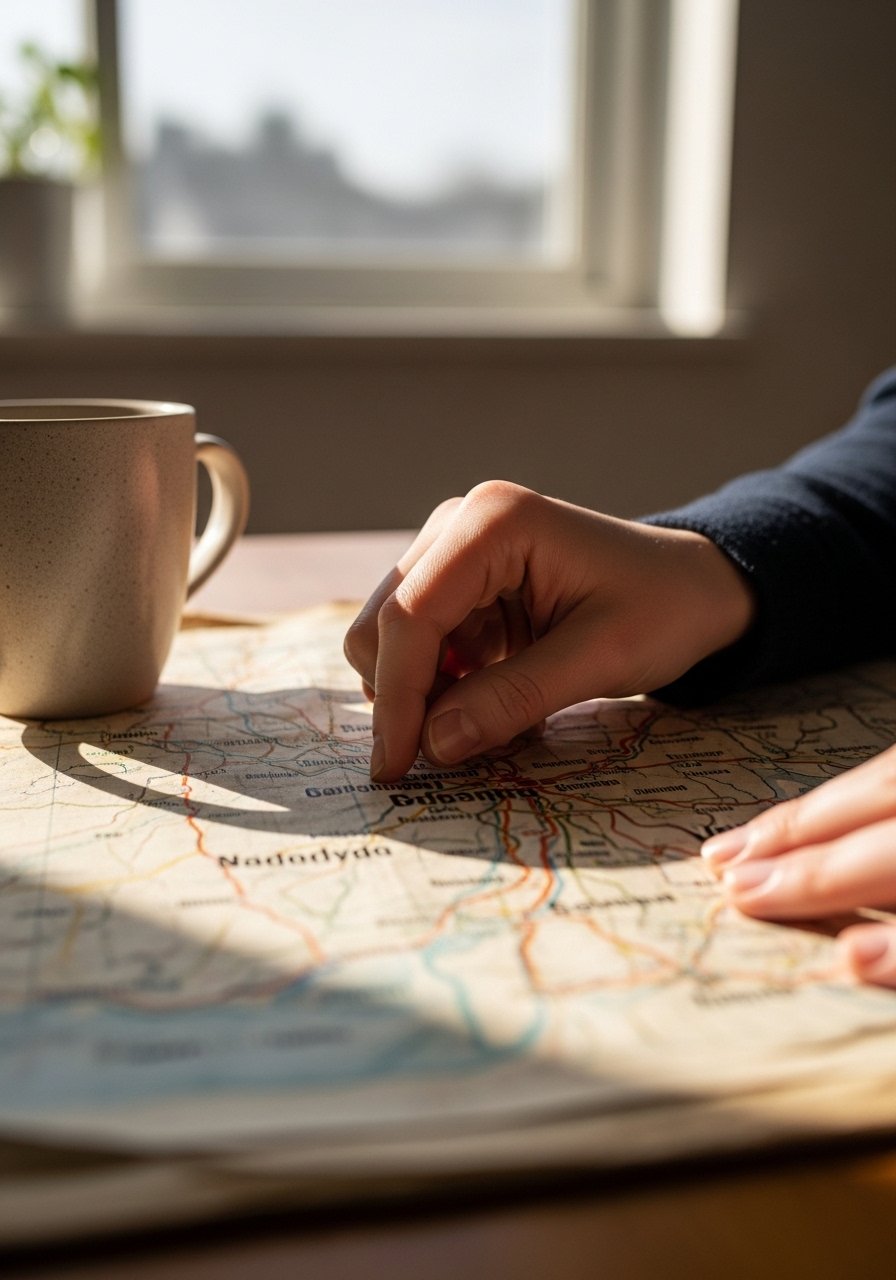
I start by listing three places I've heard good things about solo—think mid-sized cities like Lisbon or Kyoto. Not too huge, not too remote. Why? They have walkable cores, English-friendly spots, and cheap eats nearby. This cuts overwhelm right away.
Once picked, I check flight times and weather for my dates. It changes everything—suddenly, one feels right. The insight most miss: forgiving spots let you test solo without high stakes.
Avoid booking far-off adventures first. They amp stress. I stick to 4-7 hour flights max for my comfort.
Step 2: Set a Simple Budget Frame
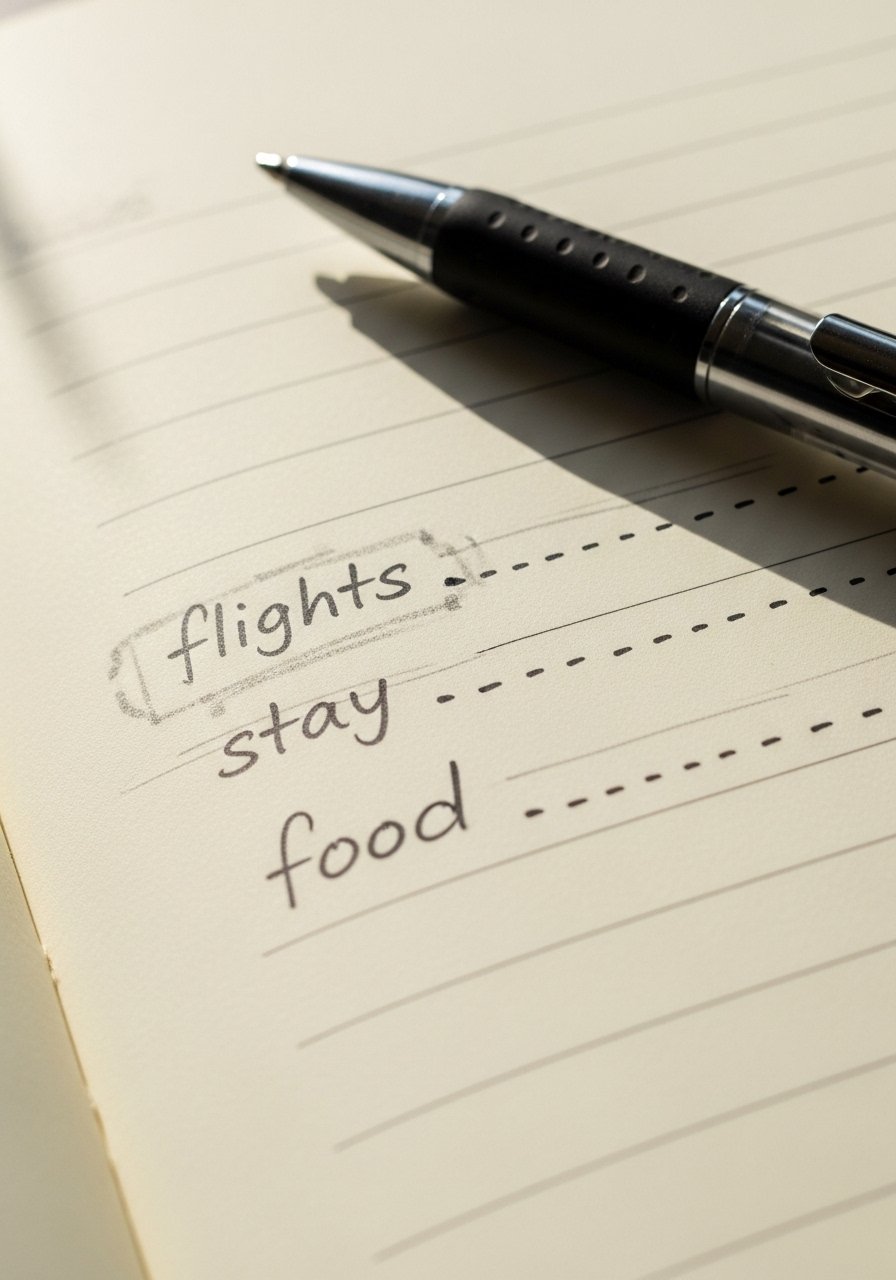
I grab my journal and write three lines: flights, stay, daily spend. Aim for 30% flights, 40% stay, 30% food and moves. Why? It keeps things visible and flexible.
This stage shifts planning from vague worry to concrete numbers. Pull real prices from sites like Kayak. People miss how eating local slashes costs—street food over restaurants.
Don't chase luxury stays early. I cap at $100/night for comfort without guilt.
Step 3: Book Core Basics First
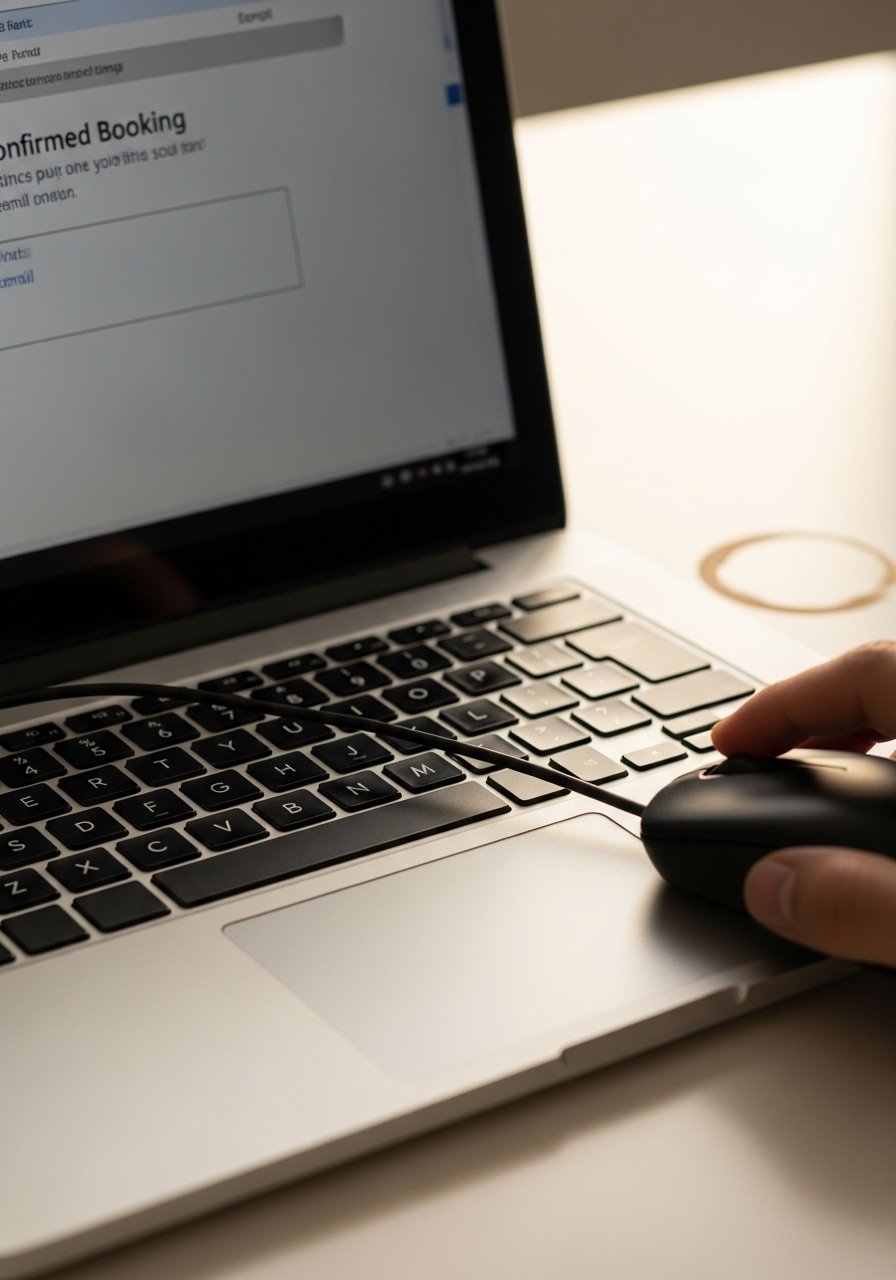
With destination and budget set, I book flight and stay in one go. Pick central spots near transit. Why? Mornings start calm, no rushed commutes.
Now the trip feels real—dates locked, map in mind. Insight: flexible stays like apartments give solo quiet. Avoid peak seasons; shoulder times mean fewer crowds, better rates.
Skip overplanning transport. I use apps on arrival.
Step 4: Sketch Loose Daily Flows
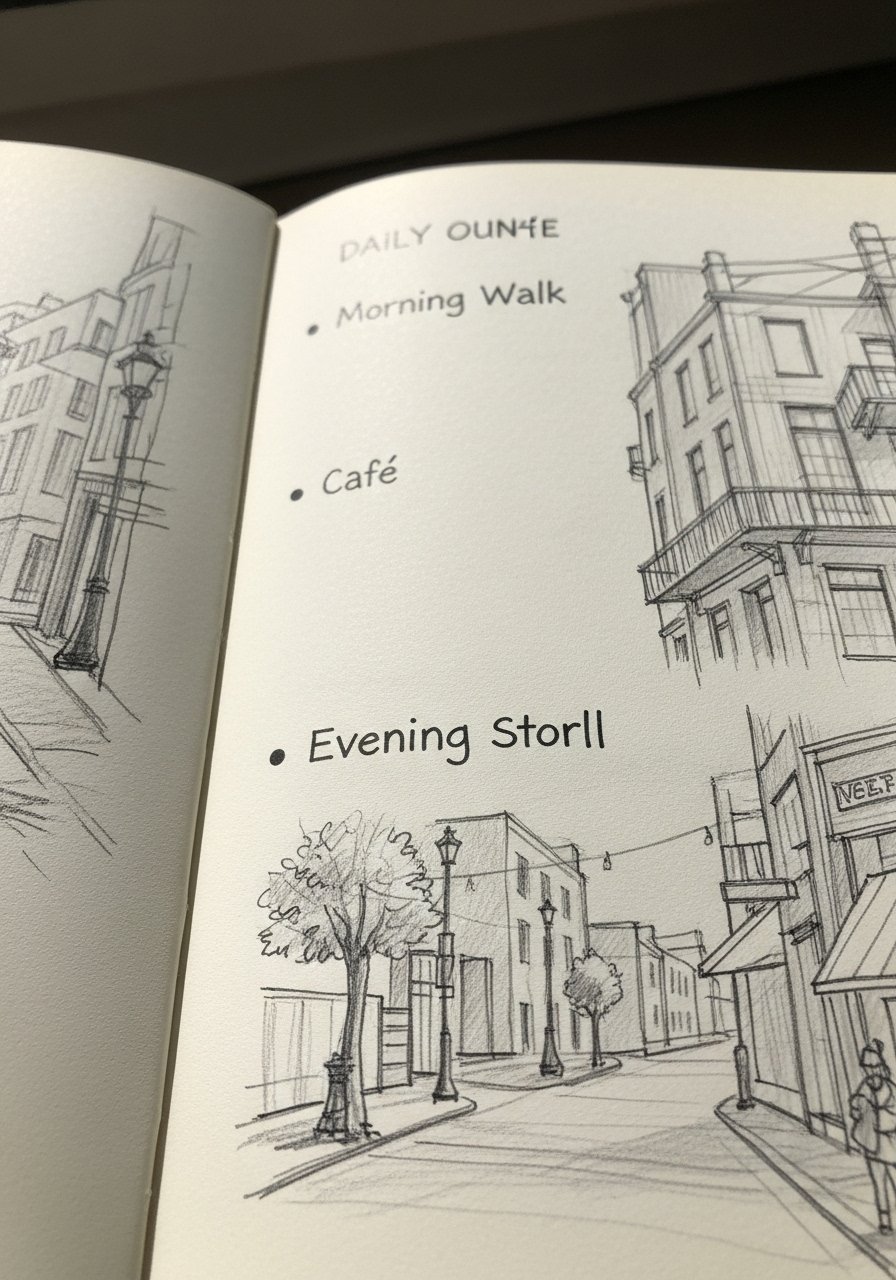
I outline three per day: morning walk, midday spot, evening unwind. Use my daypack to note walks from stay. Why? It builds rhythm without rigidity.
This makes the trip flow naturally. Most miss how loose plans leave room for finds, like a quiet park. Avoid filling every hour—gaps prevent burnout.
Test one day mentally; adjust for rest.
Step 5: Pack Light and Prep Mindset
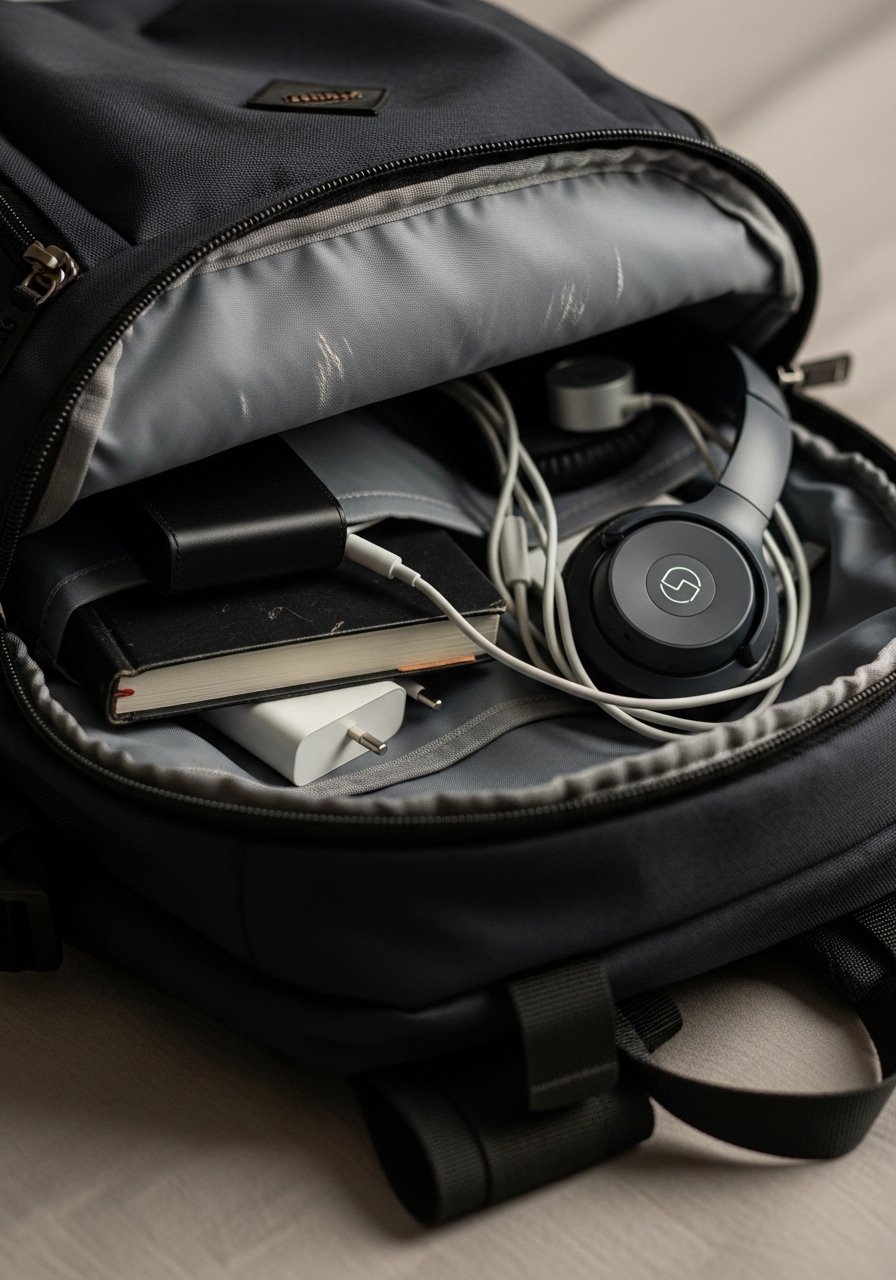
Pack into my daypack and one carry-on: journal, charger, headphones, crossbody, shoes, bottle. Why? Less stuff means less worry at airports.
Mindset shifts here—I tell a friend my basics, download offline maps. Insight: solo means your pace; build in solo coffee time. Avoid heavy bags; they slow you.
Walk a mile in shoes to confirm.
Handling Flight Day Smoothly
Flights used to spike my nerves solo. Now I board calm.
Pack snacks and headphones early. Charge everything night before.
- Arrive two hours early for buffer.
- Choose aisle seats for stretches.
- Use journal for landing thoughts.
It turns travel day into quiet prep.
Staying Connected Without Effort
Solo doesn't mean isolated. I keep it light.
Join one free walking tour day two. Chat at cafes.
- Share plans with one contact.
- Use apps like Meetup sparingly.
- Note kind locals' spots.
Feels balanced, not forced.
Budget Tweaks On the Ground
Plans shift; that's fine. I track daily in journal.
Food often underspends—markets save.
- Log spends evening.
- Skip one planned meal for street find.
- Carry cash for small spots.
Ends with extra for coffee.
Final Thoughts
Start with a short trip nearby if doubts linger. You've got the frame now.
It builds quiet confidence—your way, your speed.
One solo run changes how you see travel. Worth the first step.