I once pitched a tent in the woods with my two kids, excited for s'mores and adventure. But dinner? They poked at the hot dogs and beans, then refused everything else. By nightfall, we had hangry tears and my patience gone. Camping should feel freeing, not like a food fight.
I've learned picky eaters don't change in the wild. They need familiar tastes, just packed light.
This method picks camping food ideas for kids they will eat. No guesswork.
How to Pick Camping Food Ideas for Kids They Will Eat
This is the way I sort food before every campout. You'll end up with full, smiling kids and meals that fit the trip. It's straightforward, and it works every time.
What You’ll Need
- 20-quart soft-sided cooler with wheels
- Insulated lunch bags for kids, set of 4, blue
- Reusable silicone food storage bags, quart size, pack of 6
- Portable camp stove with fuel, 2-burner
- Kids' plastic plates and utensils set, melamine, 4-pack
- Foil pans disposable, heavy duty, 8×12 inch, pack of 20
- Collapsible water bottles for kids, 12 oz, set of 4
- Dry erase meal planner board, 12×16 inch
Step 1: List Their Everyday Wins
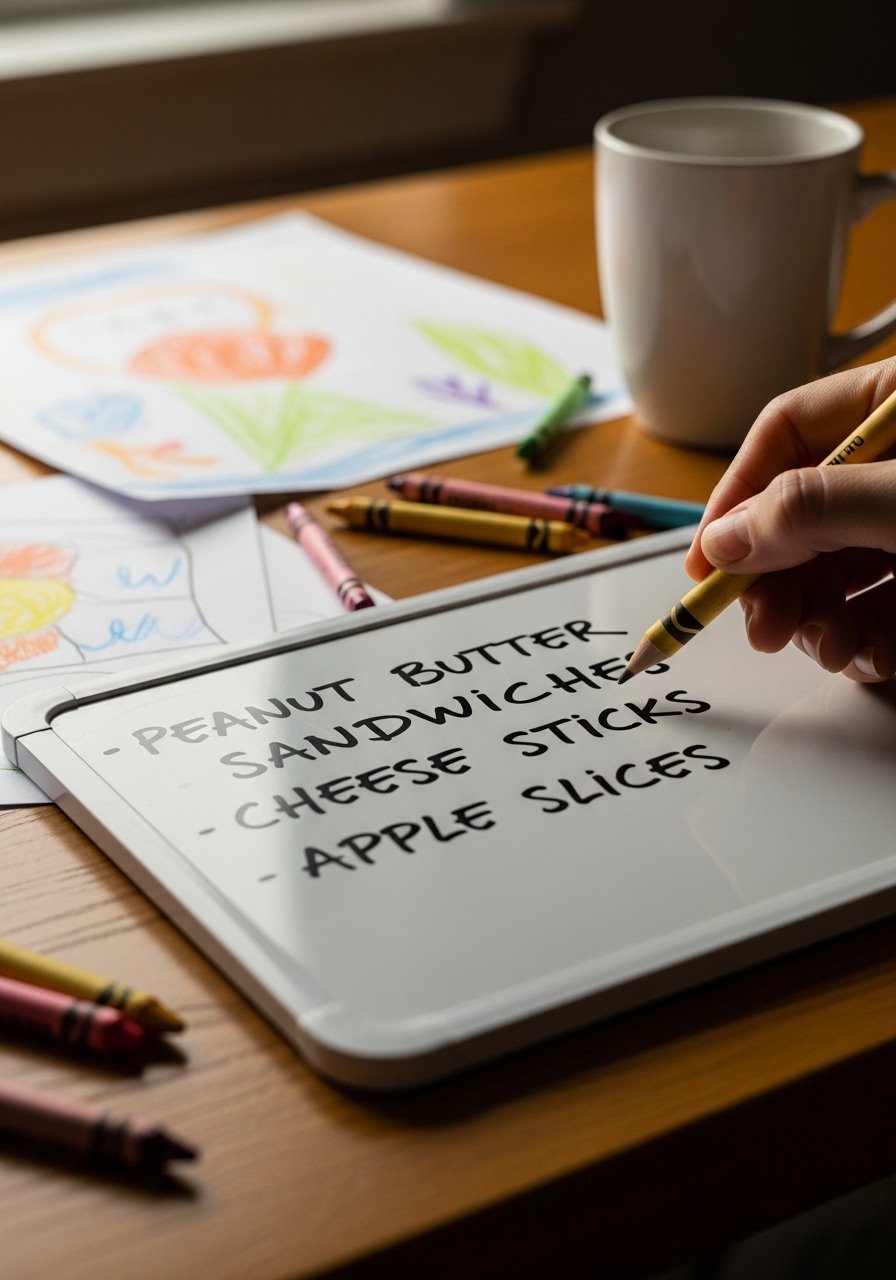
I start at home, two days before packing. Grab the meal planner board. Jot what my kids eat without complaint—peanut butter sandwiches, cheese sticks, grapes. No forcing new foods here.
This shifts everything. Now I have a shortlist of five sure things. It feels solid, not hopeful.
People miss how home habits predict camp success. One mistake? Overthinking variety. Stick to three meals, repeat winners.
I avoid adding "healthy" swaps they hate. That leads to untouched plates.
Step 2: Check Camp Realities
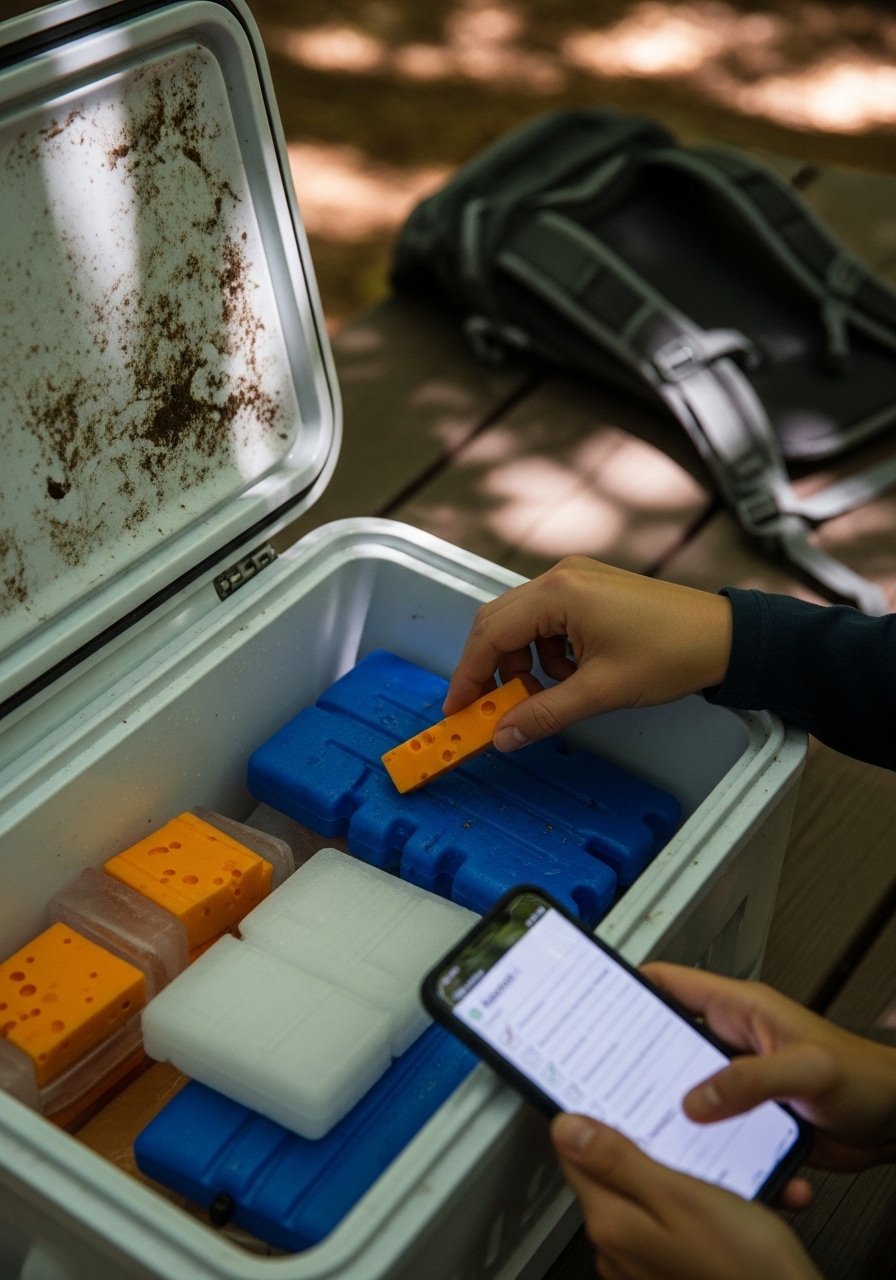
Next morning, I match the list to our setup. No fridge? Pick shelf-stable like string cheese packs or jerky. Short hike in? Ditch heavy cans.
The pile shrinks to practical. Suddenly, packing feels light, not chaotic.
Most forget perishables spoil fast without power. Insight: two coolers max—one for food, one drinks—keeps ice longer.
Don't cram everything. Overpacking means squished food and waste.
Step 3: Add One Fun Twist
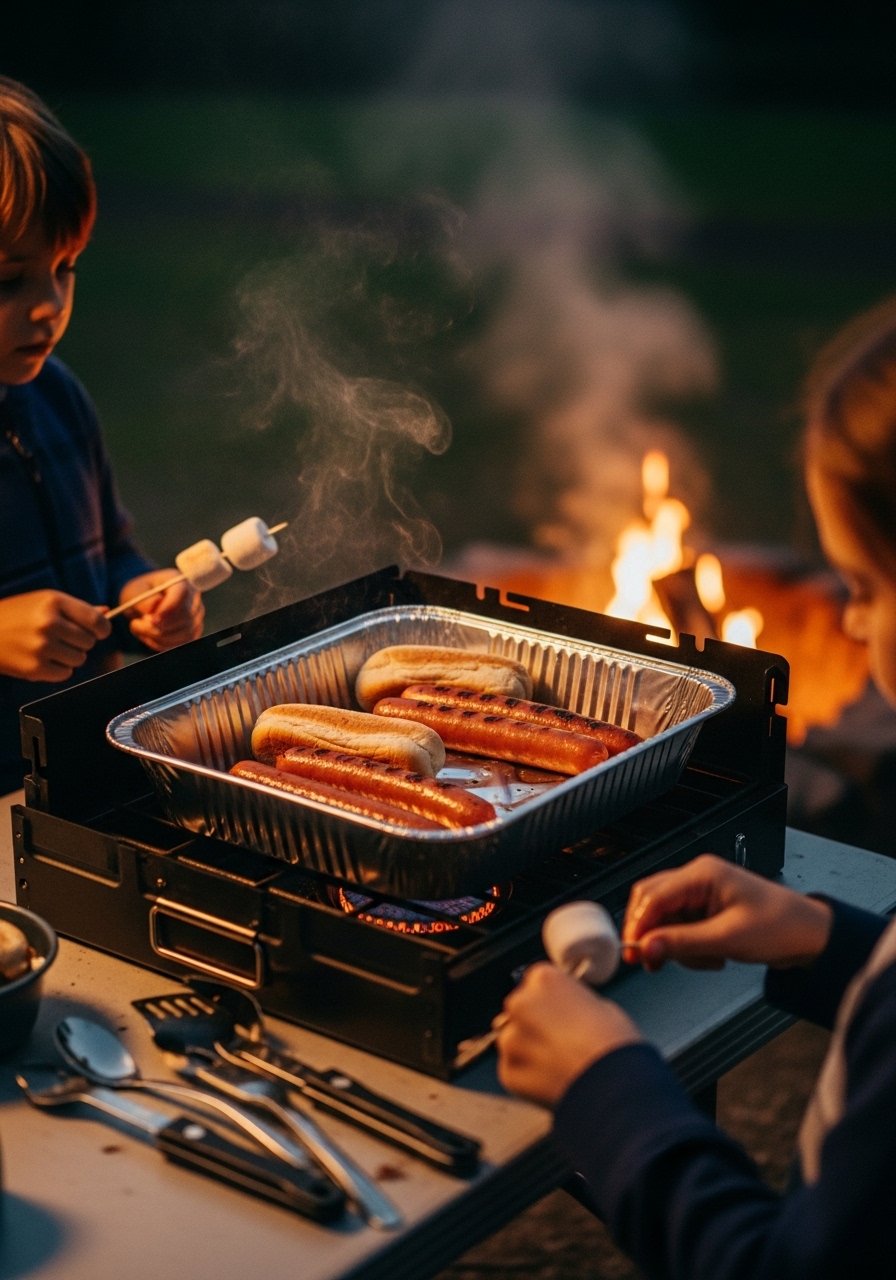
Afternoon before leaving, I tweak one item per meal. Plain sandwiches? Cut into shapes. Hot dogs? Wrap in foil with cheese.
Choices stay familiar, but camp feels special. Kids notice, eat more.
Folks overlook boredom kills appetites. Small twists build excitement without effort.
Skip messy experiments like gourmet skewers. They flop when tired.
Step 4: Scale for the Trip
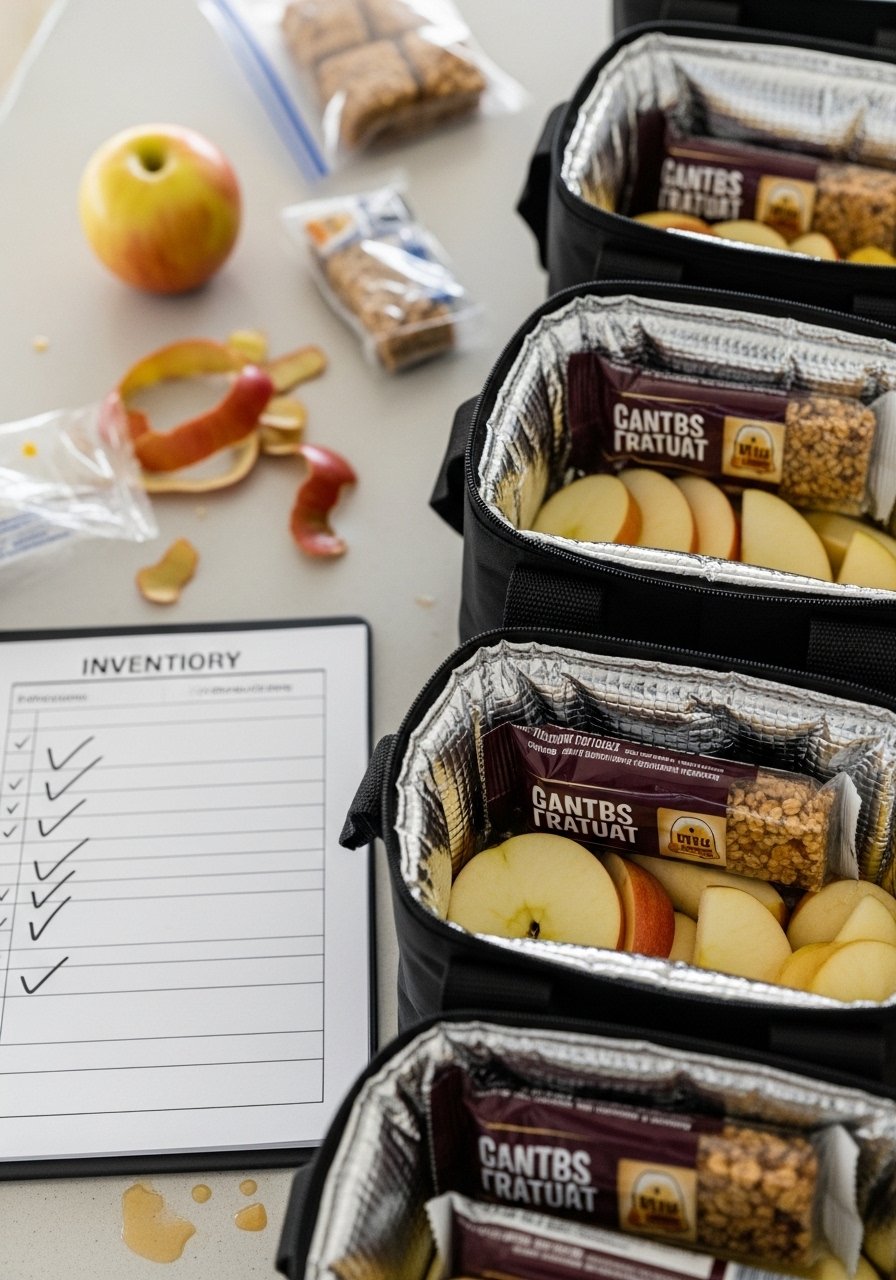
I measure portions that evening. One sandwich per meal per kid, plus snack buffer. Use silicone bags for grapes—no leaks.
Quantities fit the cooler perfectly. No overload, no hunger gaps.
The miss: kids eat less outside at first. Plan 80% of home amounts.
Avoid eyeballing. Leads to too much spoilage.
Step 5: Pack and Test Run
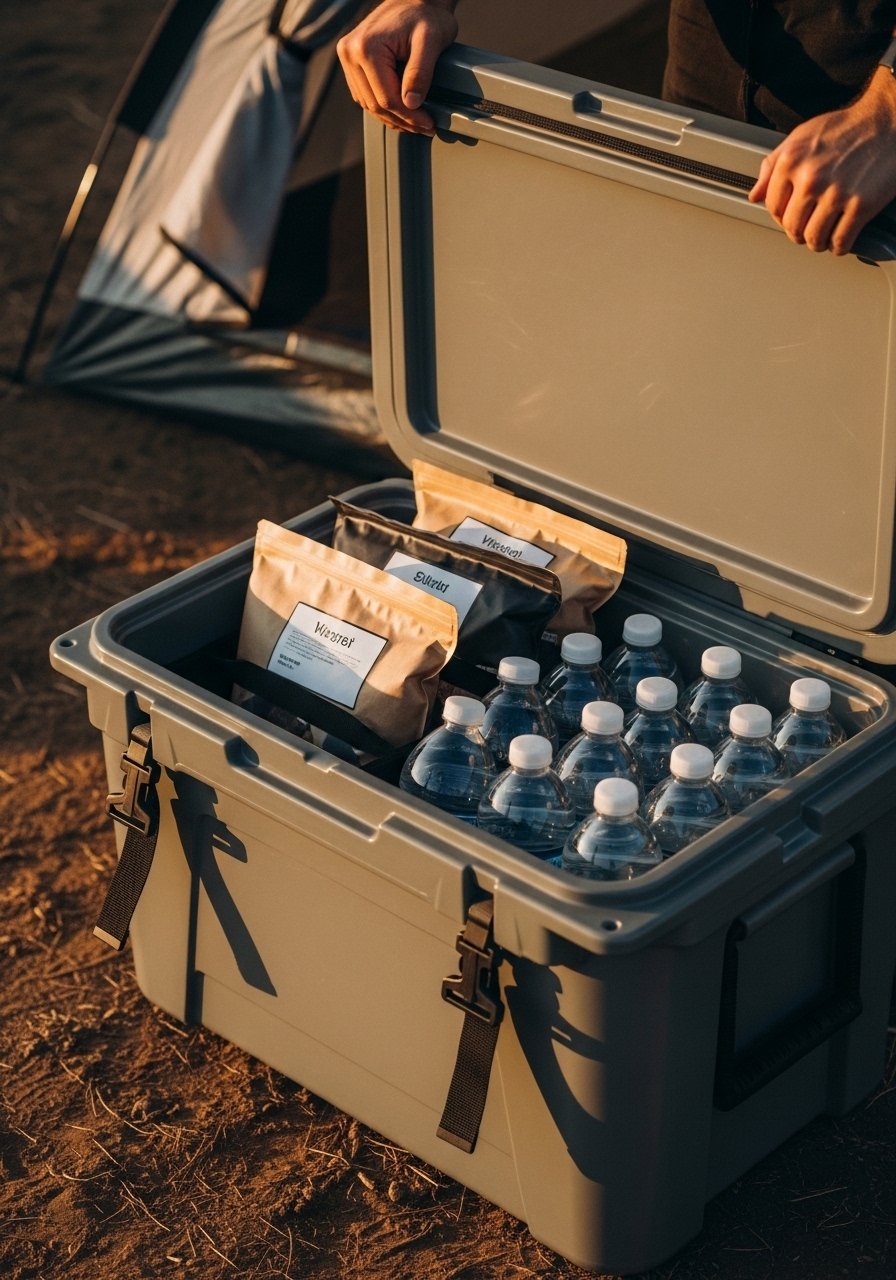
Night before, I layer cooler: ice bottom, food up. Test a snack at home—they devour it, confidence builds.
At camp, it unpacks smooth. Meals flow into the day.
People skip the home taste-test. Big error—reveals duds early.
Don't bury snacks deep. Easy access prevents meltdowns.
Kid-Friendly Breakfasts That Stick
I keep mornings simple. Kids wake hungry but slow. These hold up in heat.
- Instant oatmeal packets in fun flavors, add powdered milk.
- Yogurt pouches, no spoon needed.
- Pre-made muffins in foil.
One trip, oatmeal with raisins saved a rainy dawn. They ate outside the tent, happy.
No-Fuss Lunches for On-the-Go
Lunch hits mid-hike. Quick grabs win.
Pack:
- Tortilla roll-ups with cream cheese and ham slices.
- Trail mix with M&Ms.
- Fresh fruit like clementines.
These travel in lunch bags. No soggy surprises.
Evenings Around the Fire
Dinners bond us. Foil packets rule—minimal cleanup.
Ideas:
- Cheese quesadillas on the stove.
- Corn on the cob, butter packets.
- S'mores with graham crackers pre-broken.
Firelight makes it memorable. Full bellies mean bedtime stories.
Final Thoughts
Start with one meal tested at home. Build from there.
You'll see kids eat willingly, freeing you for the woods.
It's worth the upfront sort. Trips turn calm, not combative.