I pulled into camp last summer, thermometer hitting 105. My cheese was a puddle, bread soggy. We'd skipped the stove for heat, but no plan meant no food worth eating. Hunger hit hard amid the flies.
That mess taught me: no-cook on hot days needs real thought. Pick smart, pack cold, eat calm.
No more wilted disasters. Just shade, crunch, and satisfaction.
How to Plan Camping No-Cook Food Ideas for Hot Days
This shows you my simple way to plan no-cook camping meals for hot days. You'll get fresh, easy eats that hold up in the heat. Everyone stays fed without sweat or spoilage.
What You’ll Need
- Igloo 52 Quart BMX Cooler, Navy
- Fit & Fresh Coolers Reusable Ice Packs, Large, 5 Pack
- Joseph Joseph Compact Foldable Cutting Board, Gray, 11.5 x 15 Inches
- Full Tang 5-in-1 Multi Tool Knife with Bottle Opener
- Rubbermaid Brilliance Leak-Proof Food Storage Containers, 10 Piece Set
- Collapsible Silicone Food Storage Bags, Quart Size, 12 Pack
- Bamboo Reusable Plates and Bowls Set, 8 Pieces, Lightweight
- OXO Good Grips Salad Spinner, 5 Quart
Step 1: Map Your Trip Days and Heads
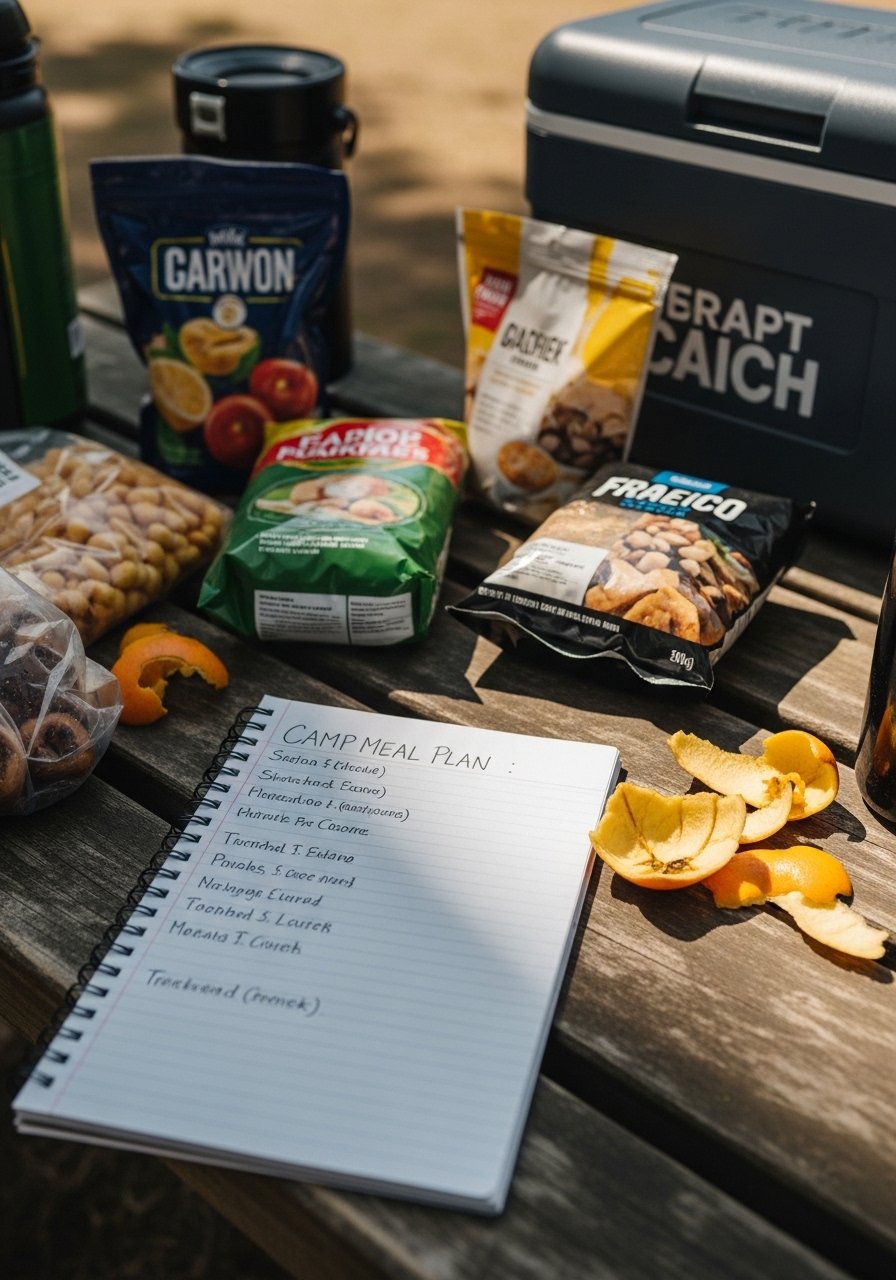
I start with days and people. Two nights, four of us? Note breakfast, lunch, dinner, snacks. Hot days cut appetite, so lighter portions.
This changes everything—suddenly meals fit reality, no overbuy waste.
Most miss matching heat to portions; we grabbed heavy stuff once, tossed half. Insight: plan 20% less.
Avoid packing hot-day forgets like mayo jars—they spoil fast. Use single-serve packets instead. Keeps it calm, bags lighter.
Step 2: Pick Heat-Tough Staples
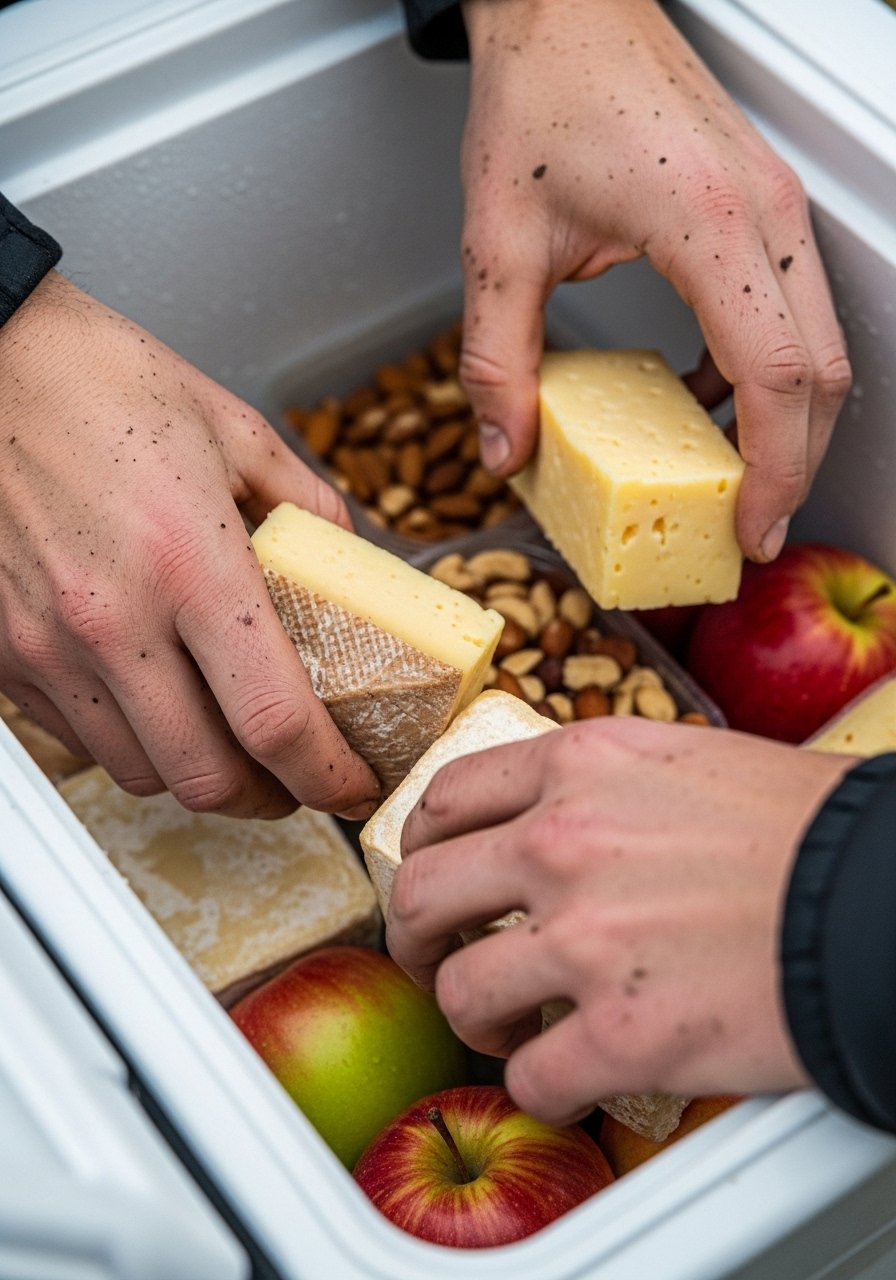
I choose what laughs at heat: hard cheeses, nuts, jerky, fresh fruits like apples, carrots. Veggies hold crisp in cold packs.
Now your list feels solid, not random. No mush surprises.
People overlook texture—soft stuff wilts first. Go crunchy for satisfaction.
Skip fresh bread early; it steams inside bags. Opt for tortillas—they roll easy, stay flat.
Step 3: Build Meal Combos
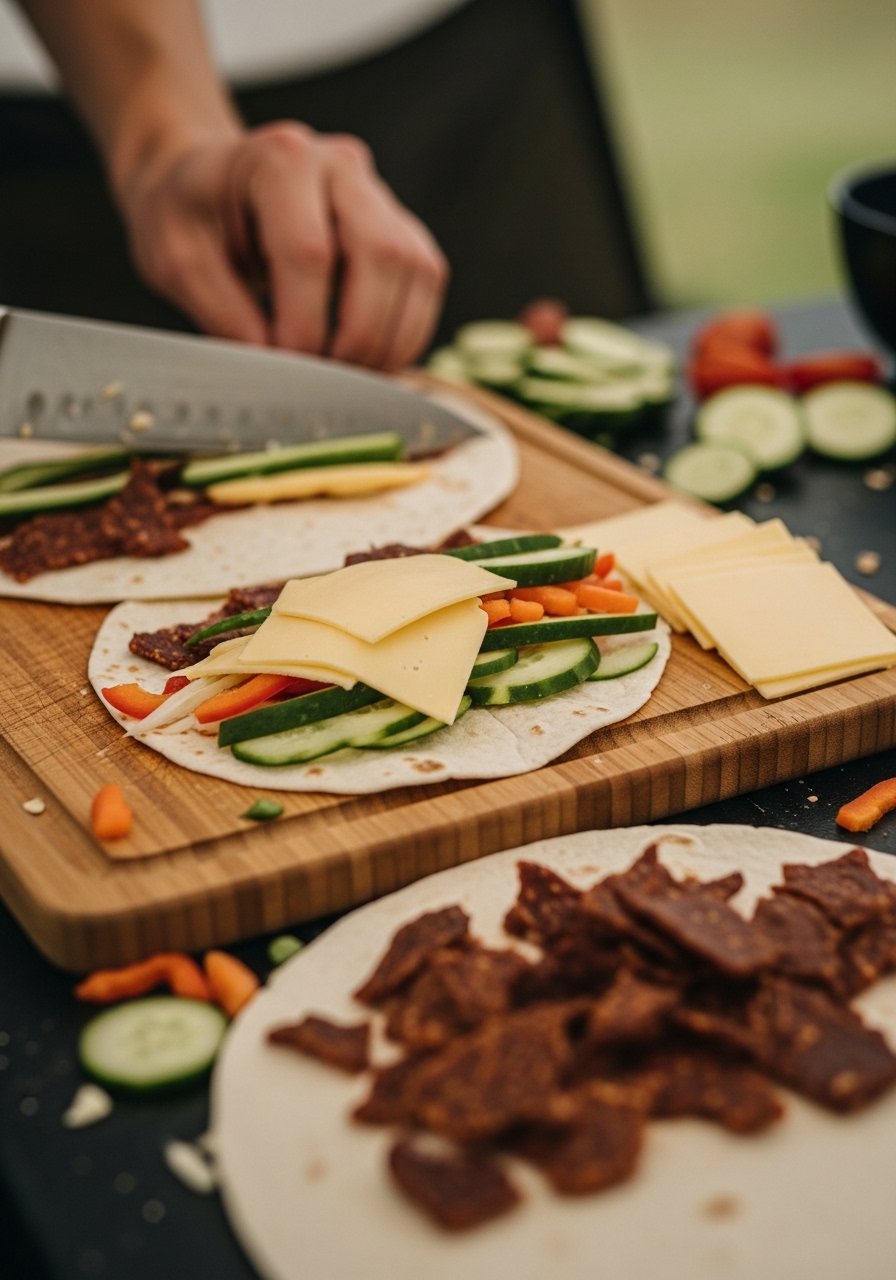
I pair staples into combos: breakfast yogurt cups with nuts, lunch wraps with cheese and carrots, dinner salads from bagged greens.
Meals shift from vague to grab-and-eat. Flow feels natural.
Missed insight: variety prevents boredom—rotate proteins like tuna pouches.
Don't overload sweets; heat amps cravings but crashes energy. Balance with proteins.
Step 4: Prep and Chill Before Leaving
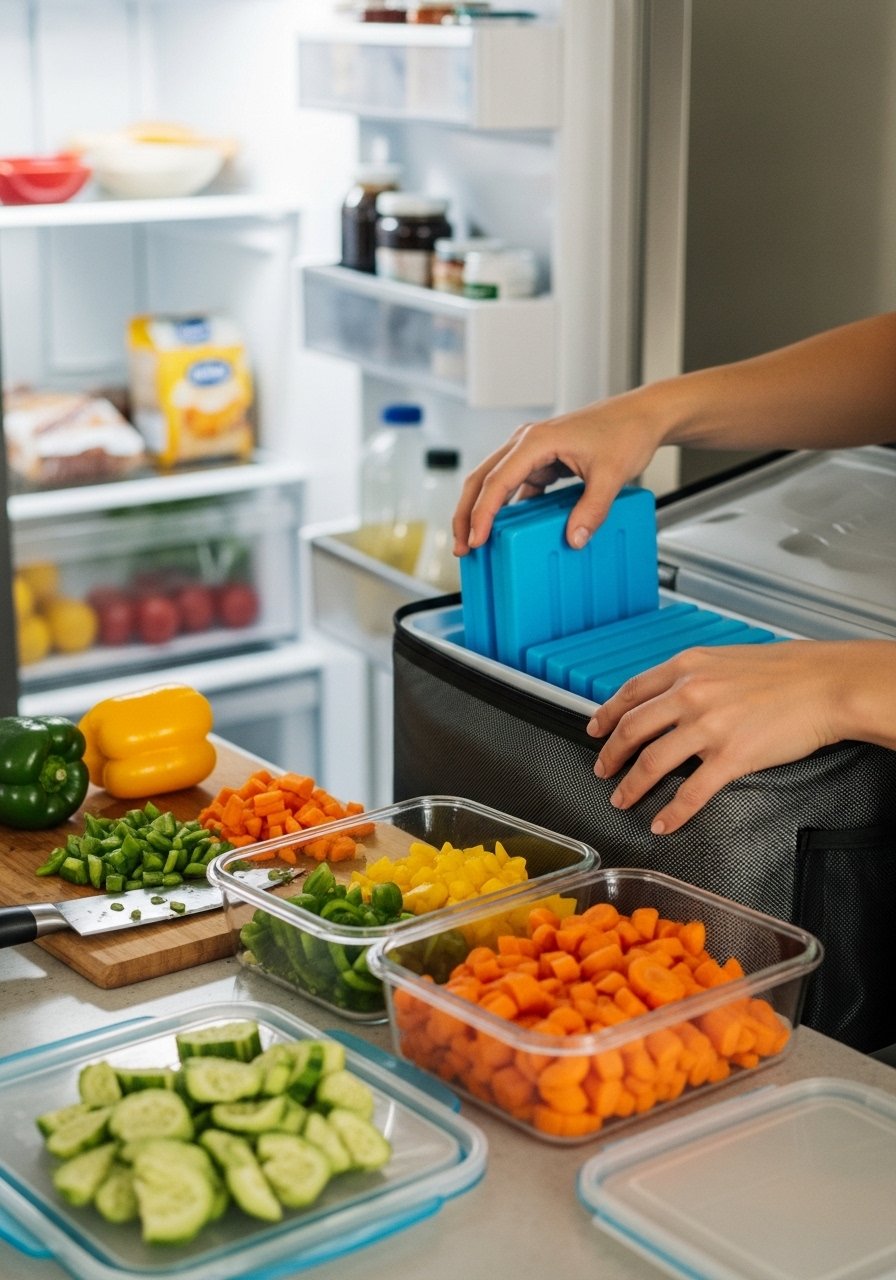
I chop veggies, portion nuts at home. Layer ice packs bottom-to-top in cooler, foods last.
Packing turns precise—everything stacked cold, ready.
Folks forget pre-chill: warm cooler breeds bacteria. Freeze packs overnight.
Avoid glass jars; they break on bumpy roads. Plastic only.
Step 5: Set Up Shade and Serve Flow
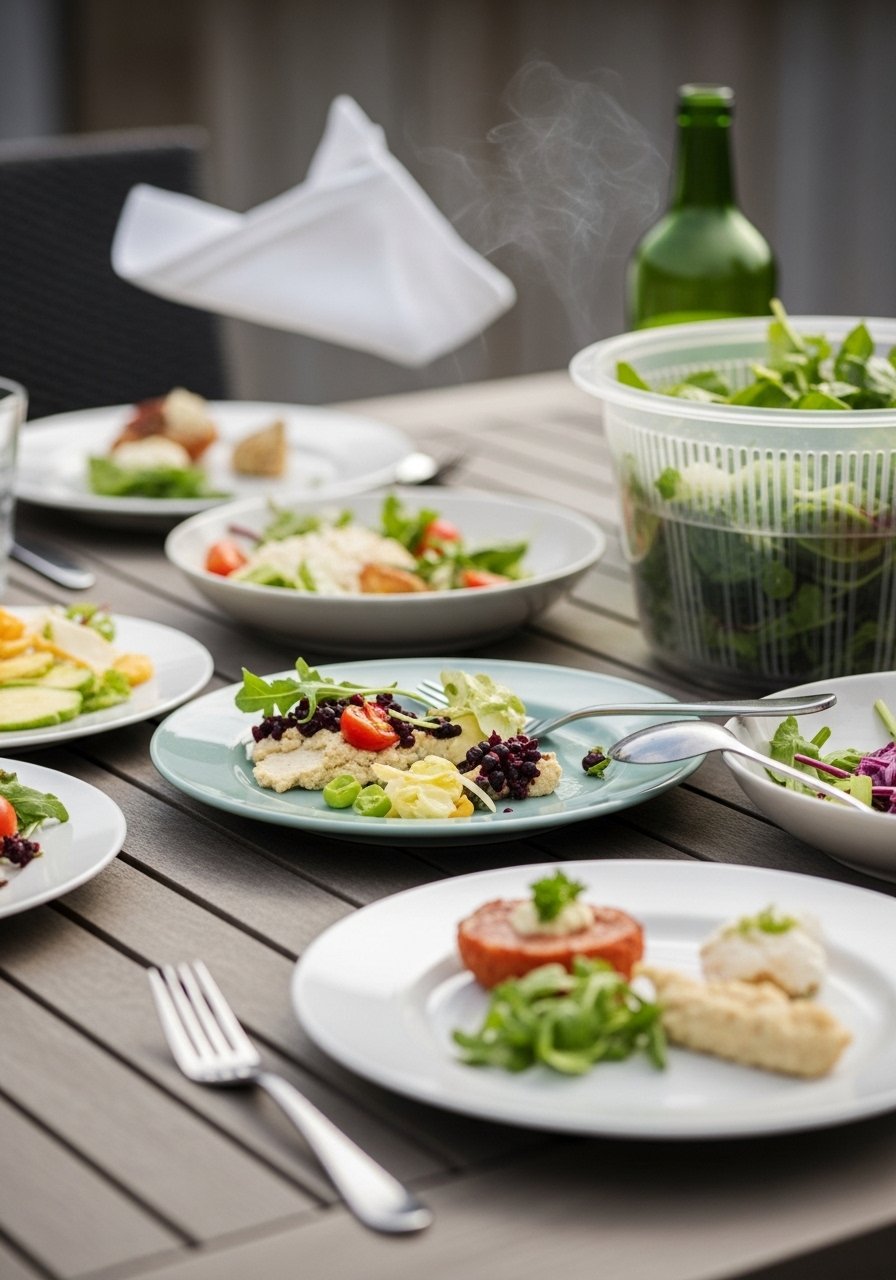
At camp, I tarp shade first. Unpack to table, spin greens dry, serve family-style.
Eating becomes comfortable ritual—no rush, no flies on melts.
Insight: replenish ice daily at town store; extends life.
Mistake to dodge: leaving cooler open. Lid down always.
Quick No-Cook Meal Combos
These combos saved my hot trips. Simple mixes from staples.
- Breakfast: Greek yogurt pouches, almonds, apple slices. Scoop and crunch.
- Lunch: Tortilla wraps with cheddar chunks, carrot sticks, hummus singles.
- Dinner: Tuna pouches over pre-washed greens, cherry tomatoes, nuts.
They stay fresh 48 hours if chilled right. I tweak for picky eaters—swap tuna for turkey slices.
Heat-Beating Storage Hacks
Layer matters in heat. Bottom: ice packs frozen solid. Middle: meats, cheeses. Top: fruits, dry goods.
Bury cooler in shade, under tarp. Open once daily.
- Crack packs halfway for custom fit.
- Use spinner post-wash to shed water fast.
This keeps temps under 40 degrees, no spoilage.
Adjusting for Group Size and Diet
For two, halve portions—less waste. Six people? Double proteins, add variety.
Vegans? Sub nuts, hummus for cheese. Note allergies upfront.
I list tweaks on my plan sheet. Keeps it inclusive, no stress.
Final Thoughts
Start with one day’s plan next trip. Test at home first.
You’ll feel the difference—less hassle, more time outside.
It’s practical. Food works, you relax. Worth the upfront minutes.