I froze solid on a Shenandoah ridge last fall—sweaty base layer turned icy under wind. Hated every step back to the car. Next time in the Berkshires, I stacked smart layers. Suddenly, 45-degree mornings felt inviting. Fall hikes turned comfortable, not punishing. These outfits saved me.
25 Best Men’s Hiking Outfits for Fall
I've worn every one of these 25 men's hiking outfits for fall on actual trails from the Appalachians to Colorado foothills. They handle rain, wind, and temperature swings without bulk. Practical picks for real miles. Here's exactly what worked.
1. Merino Base and Fleece Pull-On for Quick Woodland Loops
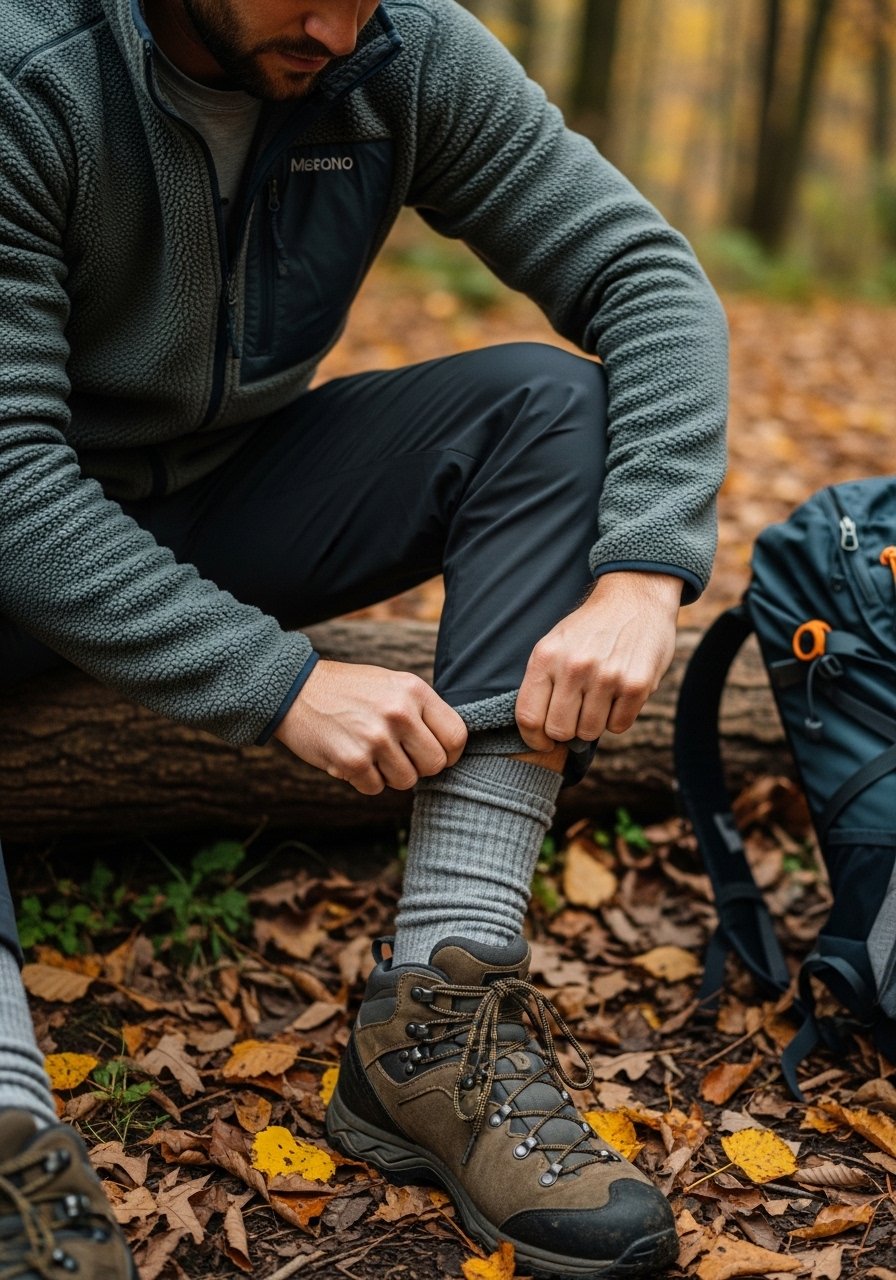
I threw this on for a 5-mile loop in Great Smoky Mountains National Park last October. Started at 50 degrees, warmed to 65 by noon. Merino wicked sweat fast; fleece trapped heat without overheating. No bulk to snag on branches.
Zipped halfway, it vented perfectly during climbs. Felt light, like wearing a favorite hoodie. Downhill, the combo blocked chill breezes off the ridges.
Watch for loose threads on cheap fleece—they catch. I snagged one early; now I trim them.
Pro tip: Pair with mid-calf socks to avoid blisters on uneven roots.
What You’ll Need for This Trip
2. Softshell Jacket and Thermal Pants for Windy Ridge Walks
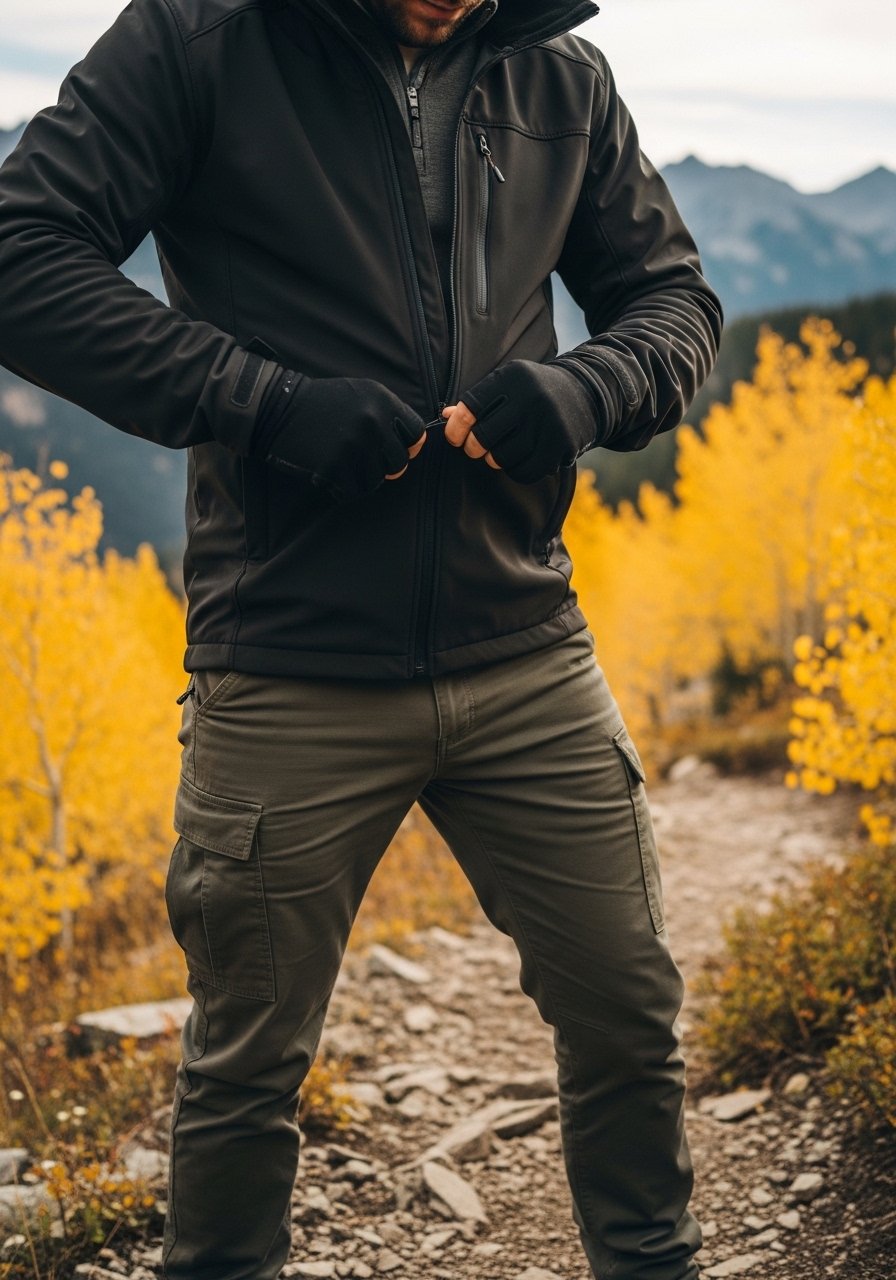
Hit a gusty Adirondacks ridge at dawn—winds hit 20 mph. This softshell cut through it, breathable enough for the sweat of switchbacks. Thermals underneath kept legs toasty without bulk.
Pants had zip vents at thighs; opened them for descents. No sag after hours.
I overpacked gloves once; these have handwarmer pockets, so mitts stayed in pack.
Stretch fabric moved with me—no binding on squats for photos.
What You’ll Need for This Trip
3. Puffy Vest Over Long Johns for Crisp Valley Treks
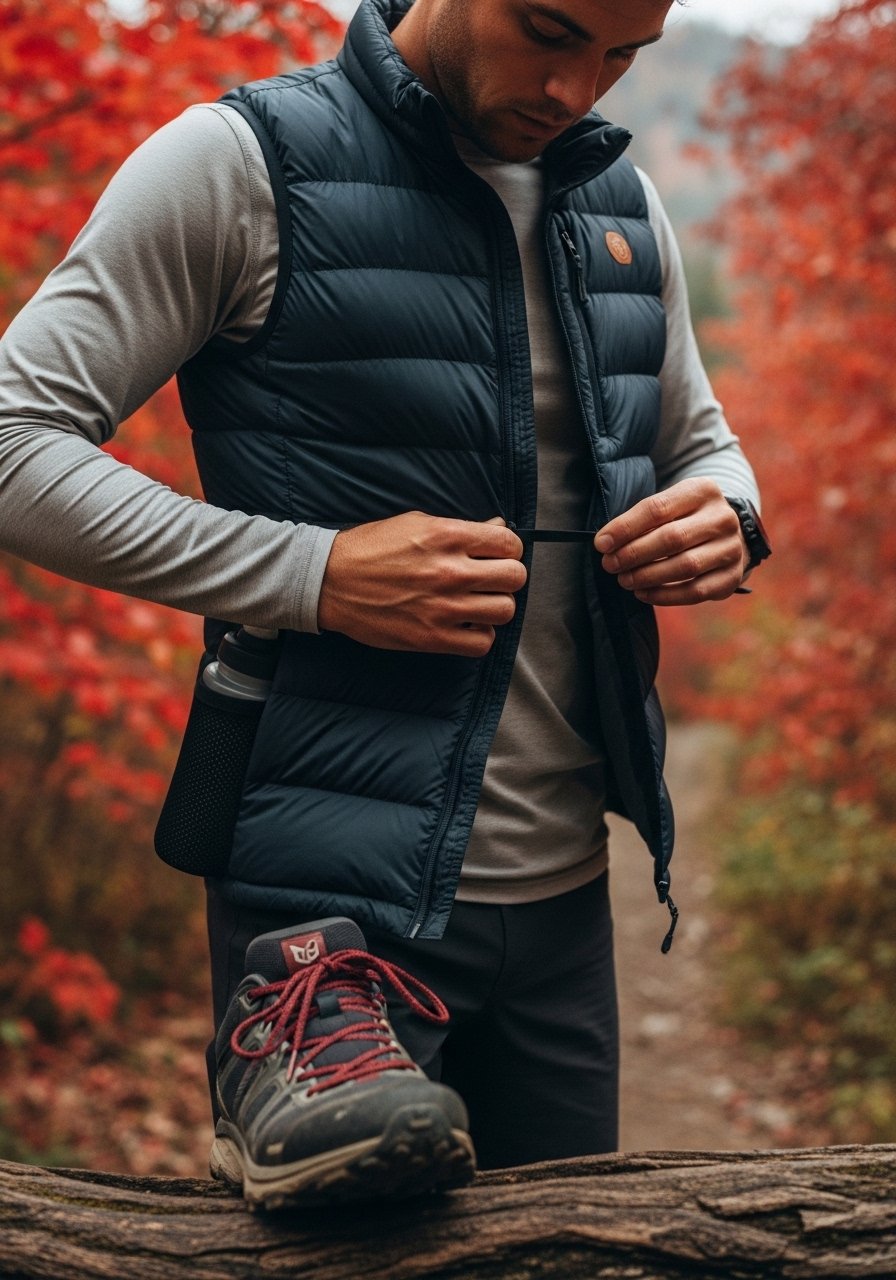
Shenandoah valleys drop temps fast. Layered a synthetic puffy vest over synthetic long johns—packed tiny, fluffed warm. Arms free for poles.
Vest deflected light rain; base dried quick. No swampy feel at lunch stops.
Missed a hat first time; ears ached. Added beanie next.
Simple, mobile setup for 10-mile days.
What You’ll Need for This Trip
4. Waterproof Shell and Cargo Shorts Hybrid for Milder Slopes
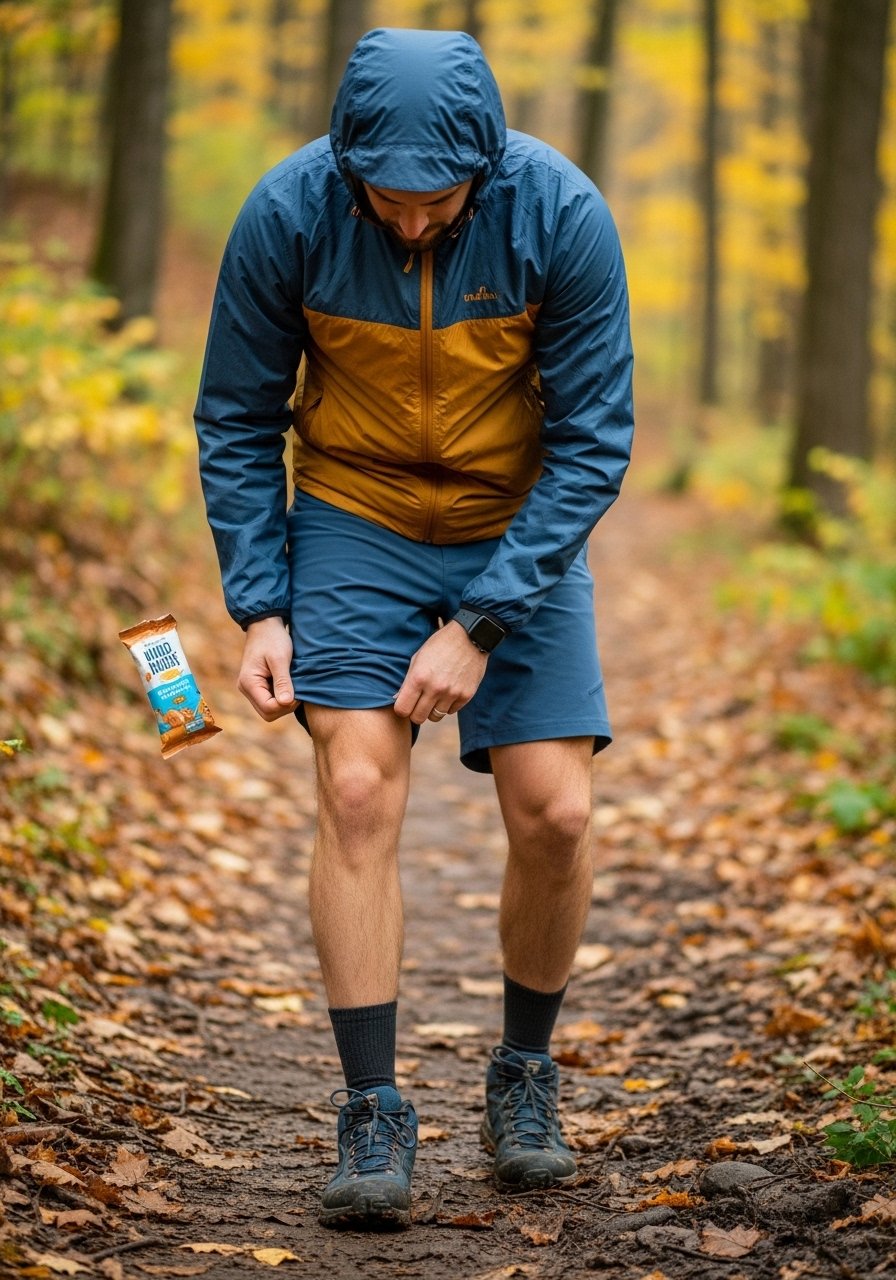
Colorado foothills, 55 degrees with showers. Gore-Tex shell over tee, hybrid shorts converted to pants. Shell packed to fist size.
Shorts dried in 20 minutes post-stream cross. No chafing.
Forgot bug net; fall bugs bit ankles. Tuck socks now.
Versatile for variable weather.
What You’ll Need for This Trip
5. Insulated Parka and Leggings for Dawn Peak Pushes
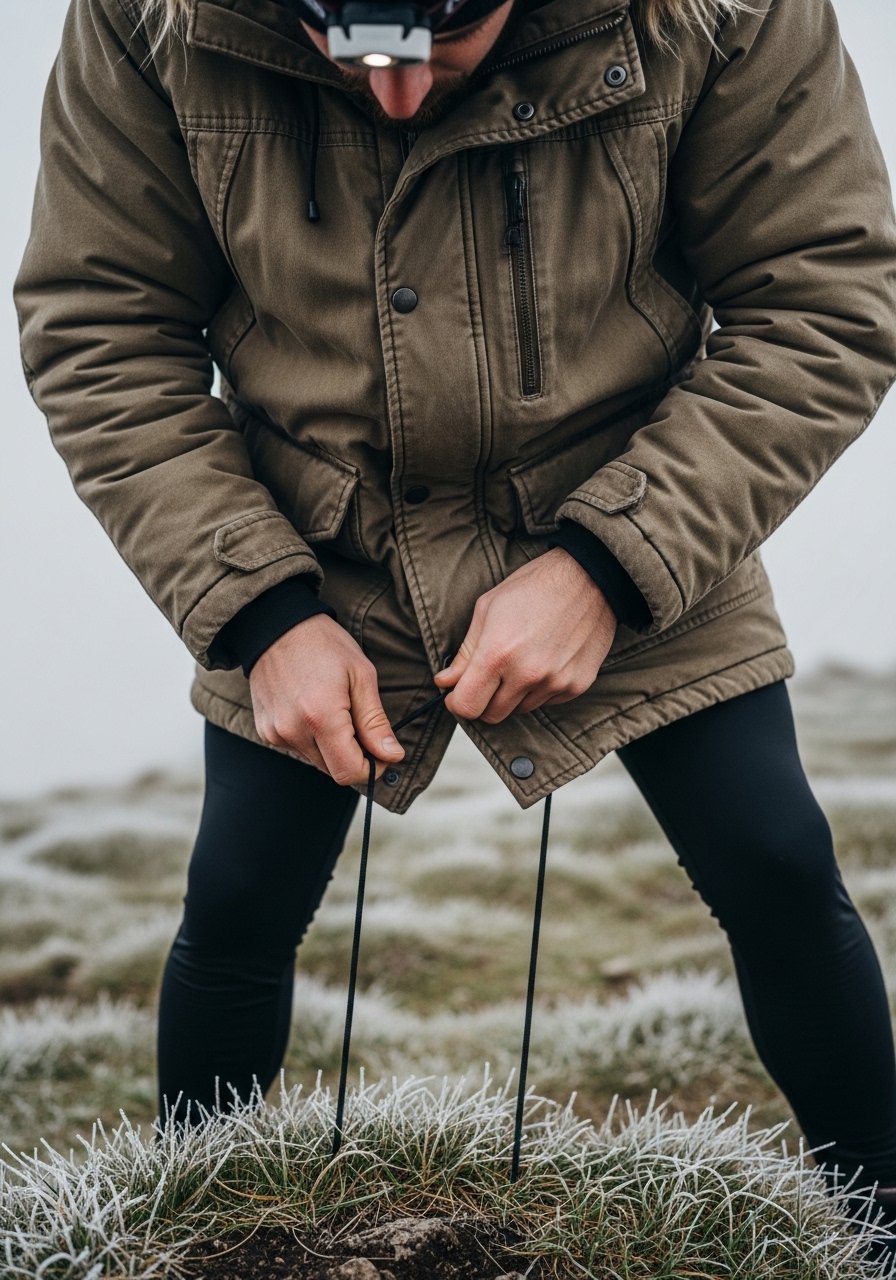
Pre-dawn Catskills start at 35 degrees. Parka with synthetic fill, merino leggings. Blocked frost till sun hit.
Leggings stretched full range—no restriction on steeps.
Overlayered arms once; vent zips fixed that.
Warm start, shed layers easy.
What You’ll Need for This Trip
6. Flannel Shirt and Softshell Pants for Casual Trail Days
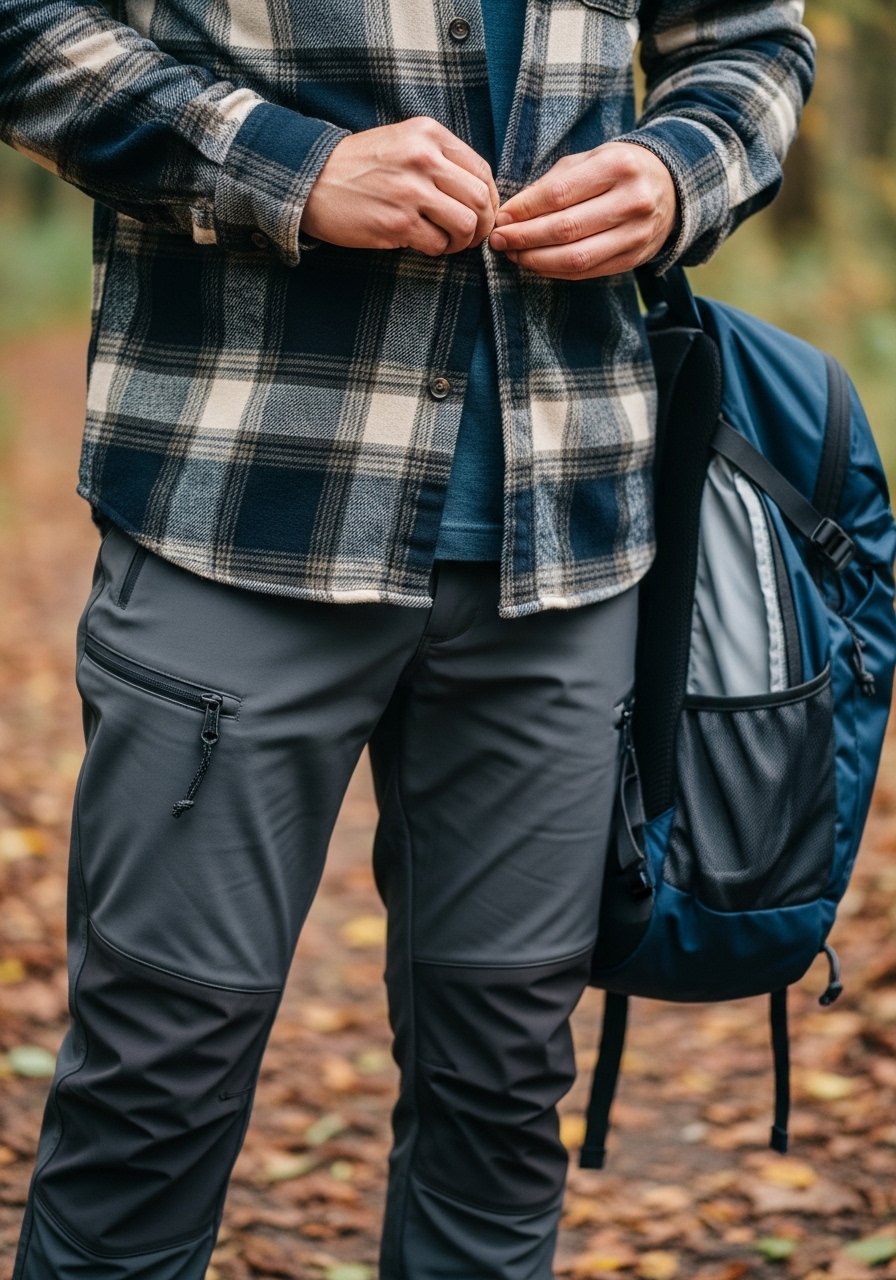
Finger Lakes trails, relaxed 8-miler. Brushed flannel over tee, softshell pants. Cozy yet mobile.
Flannel wicked light sweat; pants repelled dew.
Pockets held phone, snacks—no fumbling.
Jeans once; too stiff. This flows better.
What You’ll Need for This Trip
7. Down Midlayer and Rain Pants for Wet Scrambles
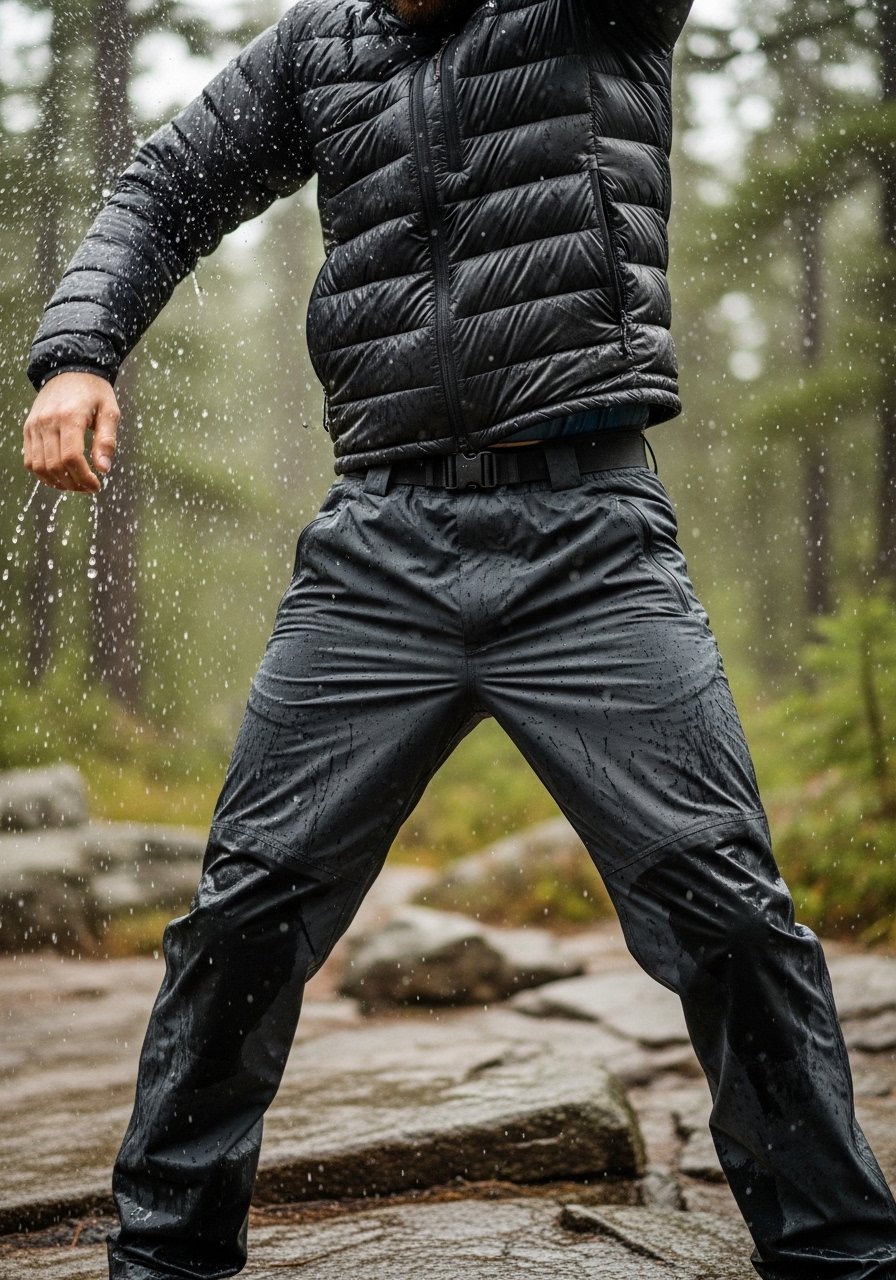
Ozarks downpour mid-hike. Hydrophobic down midlayer under shell, full rain pants. Stayed dry, light.
Pants had kick patches; no wear at cuffs.
Packed down wet once; this repels.
Scramble grip stayed sure.
What You’ll Need for This Trip
8. Baselayer Hoodie and Vest Combo for Layering Flexibility
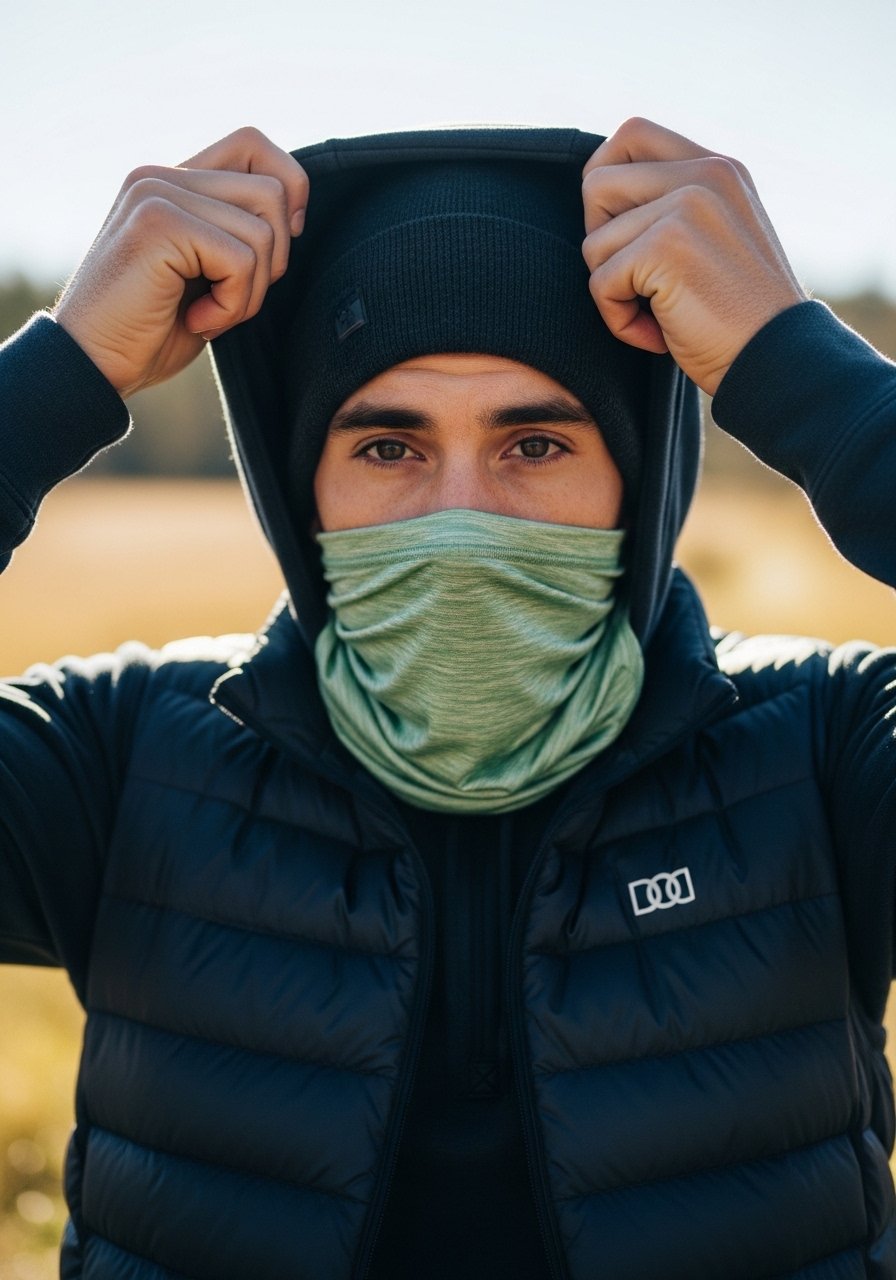
Poconos mix of sun/shade. Hooded merino base, lightweight vest. Hood for wind, vest for core warmth.
Swapped easy at breaks. No tangle.
Gaiter doubled as hat.
Insight: Size vest roomy for layering.
What You’ll Need for This Trip
9. Technical Tee and Wind Pants for Speedy Descents
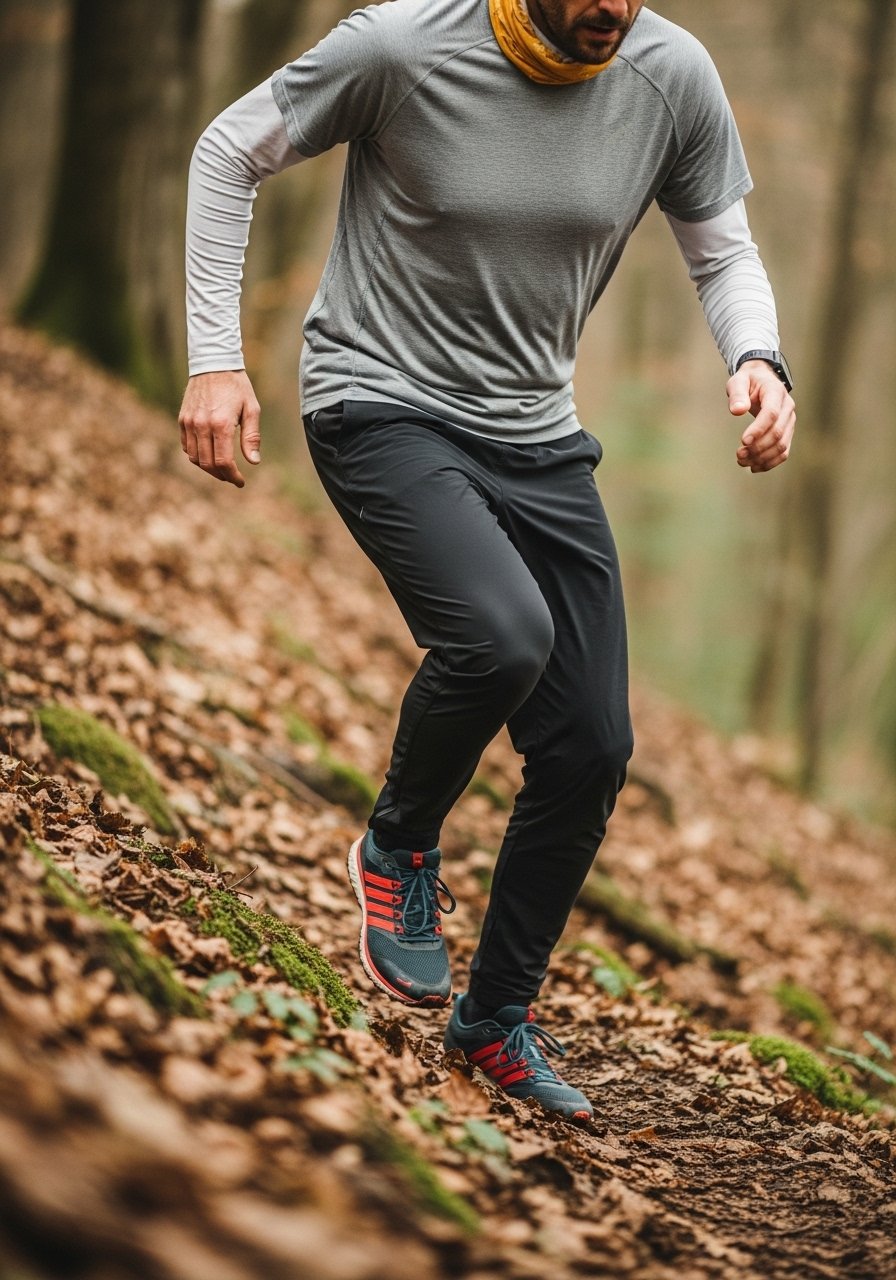
White Mountains fastpack. Tech tee dried instant, wind pants blocked chill on knees.
Pants tapered—no flap. Quiet fabric.
Cotton tee mistake; soaked forever.
Light, fast kit.
What You’ll Need for This Trip
10. Quilted Jacket and Stretch Pants for Camp-to-Trail
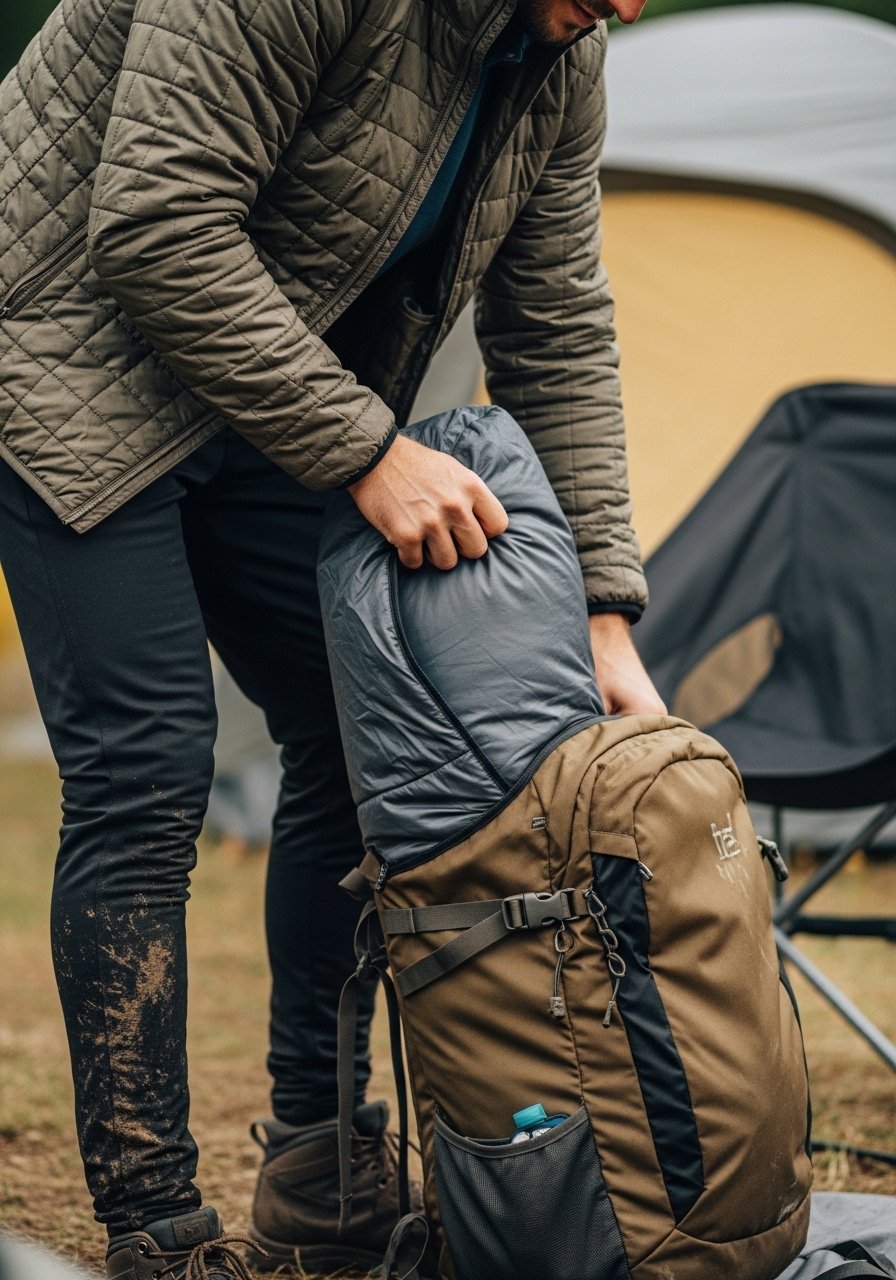
Overnight in Green Mountains. Quilted synthetic jacket for camp chill, stretch pants transitioned to trail.
Jacket sat warm by fire, moved easy hiking.
Pants 4-way stretch—no bind sitting.
Forgot extra socks; these dried overnight.
What You’ll Need for This Trip
11. Fleece-Lined Hoodie and Overpants for Sleet Days
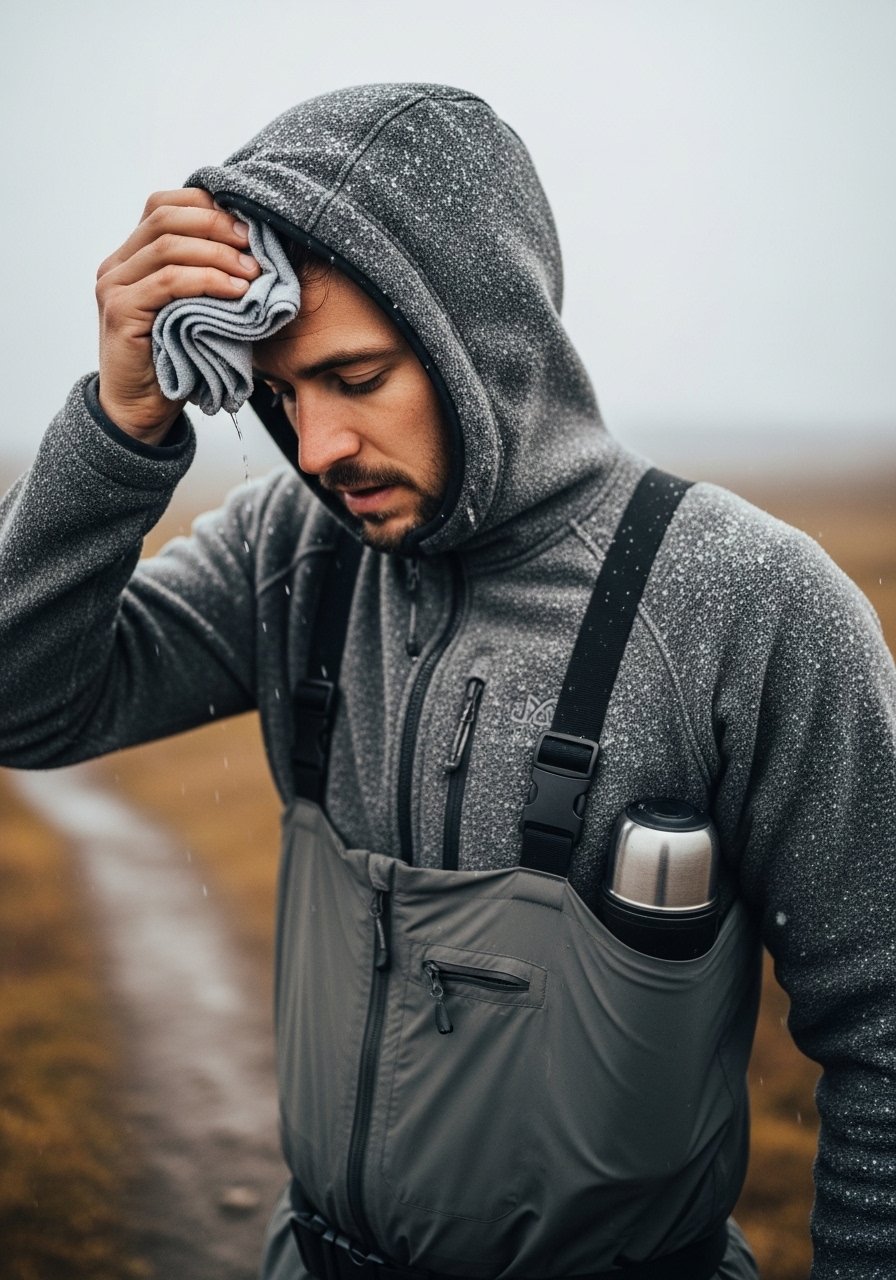
Alleghenies first sleet. Fleece-lined hoodie trapped heat, overpants shed water.
Hoodie thumb loops stayed sleeves up.
Overpants packed flat.
Sleet soaked old gear; this didn't.
What You’ll Need for This Trip
12. Synthetic Boxer Briefs Base and Shell for Base Camp Hikes
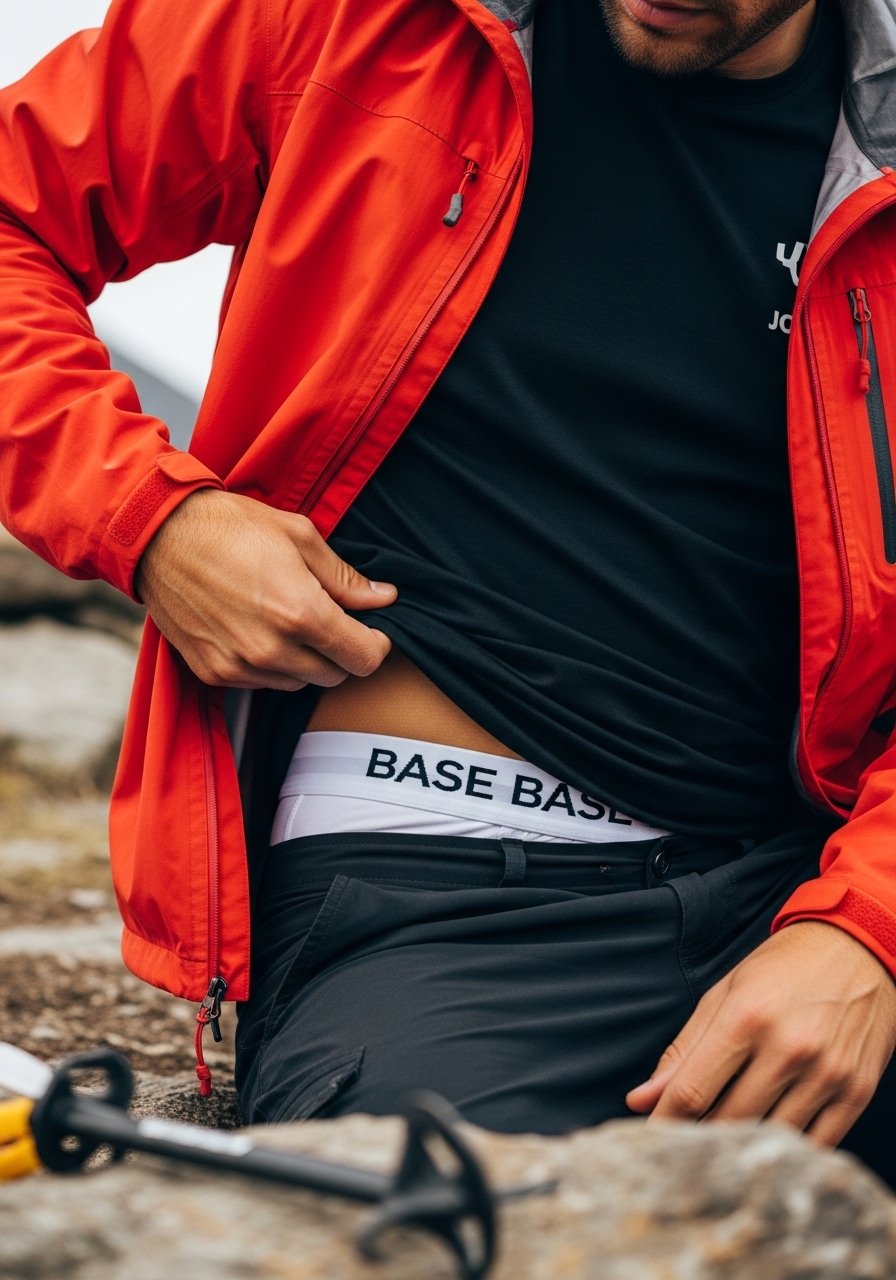
Rockies base camp loops. Synthetic briefs and tee base, hardshell outer. No odor after days.
Shell fully taped—no leaks.
Base moved moisture fast.
Cotton undies chafed; switched fixed it.
What You’ll Need for This Trip
13. Wool Henley and Vest for Heritage Trail Feels
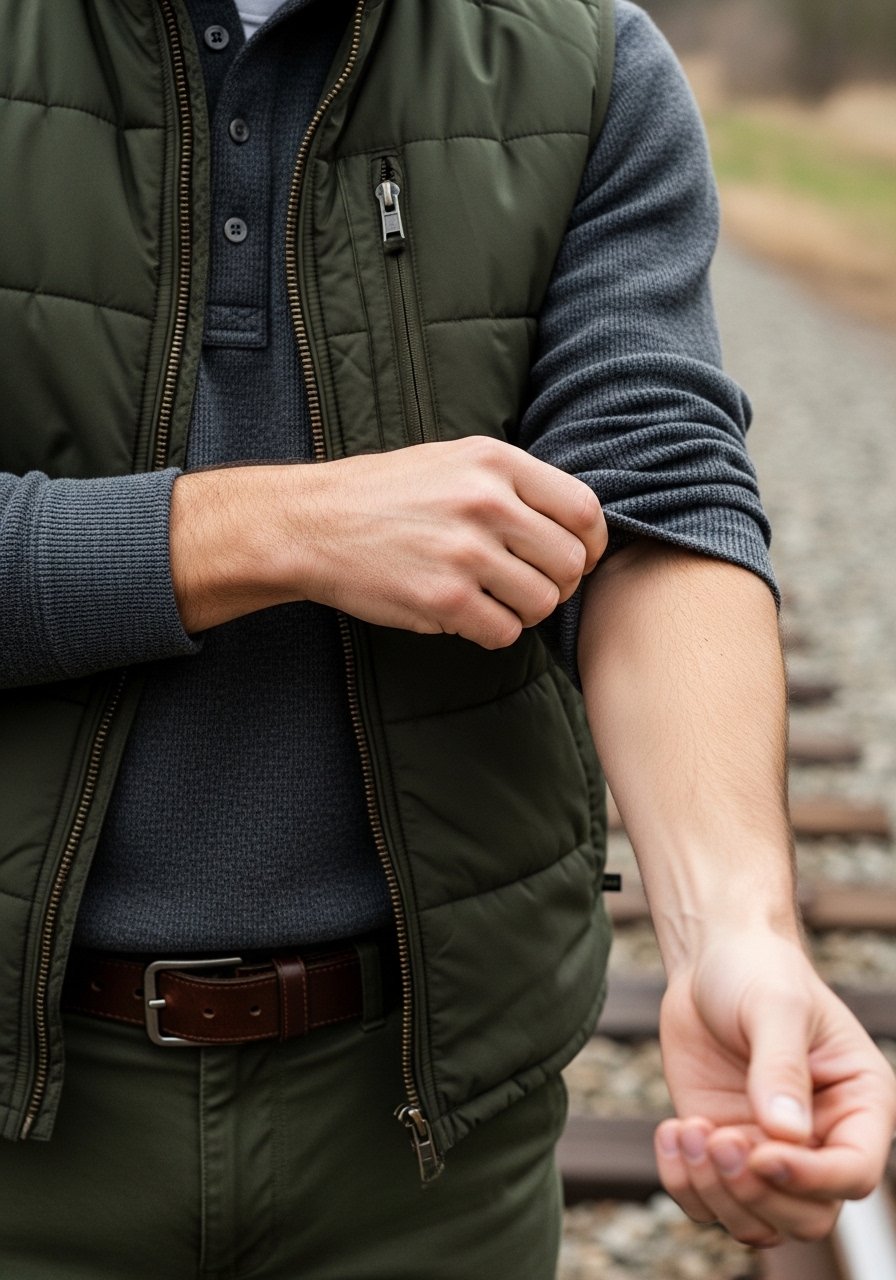
C&O Canal path, casual miles. Wool henley soft on skin, vest for evening drop.
Henley buttons vented chest.
Natural odor resist—no stink.
Vest pockets held map.
What You’ll Need for This Trip
14. Windbreaker and Fleece Pants for Blustery Plains
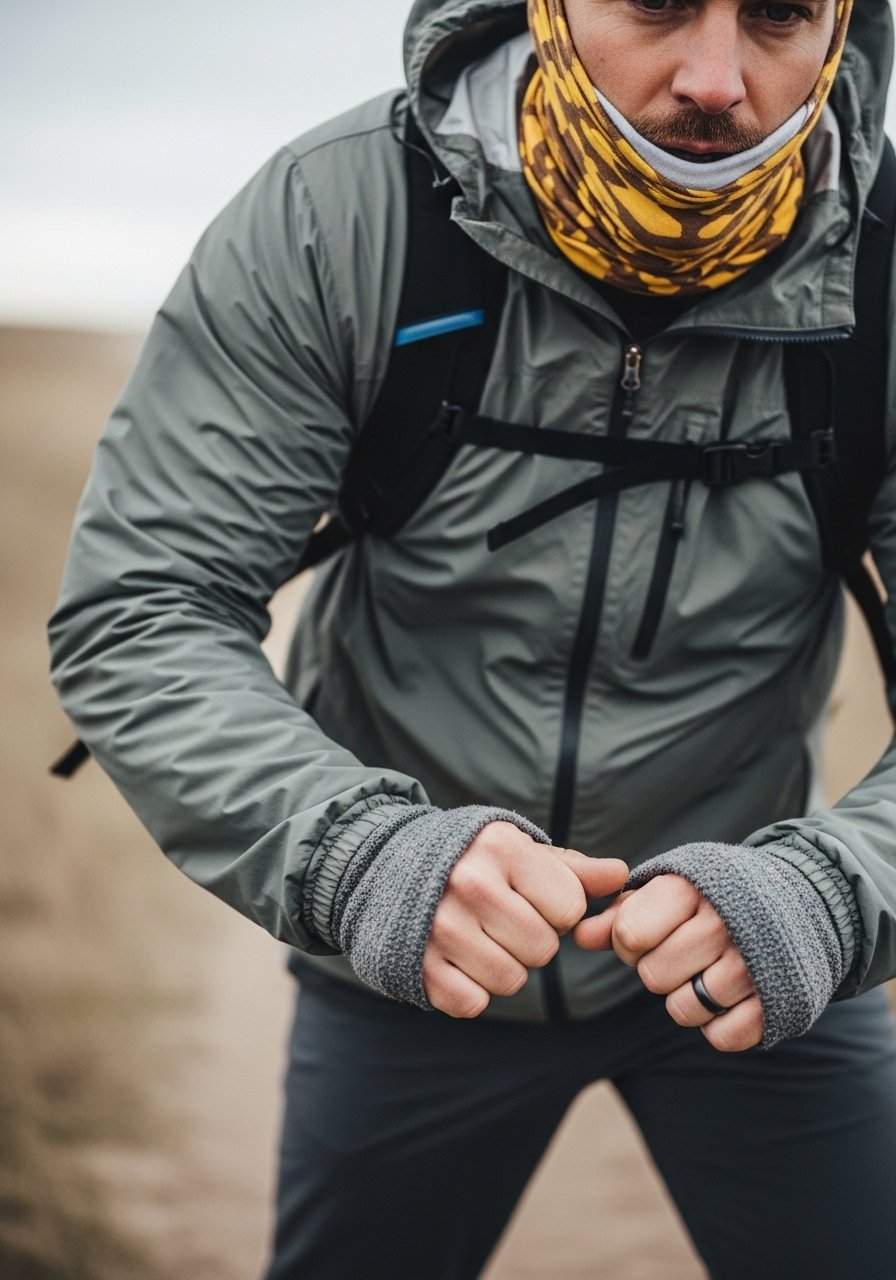
Badlands wind tunnel. Ultralight windbreaker, fleece pants. Blocked 30 mph gusts.
Pants soft inside, no itch.
Windbreaker packed to pocket.
Buff saved neck.
What You’ll Need for This Trip
15. Thermal Top and Cargo Vest for Multi-Day Packs
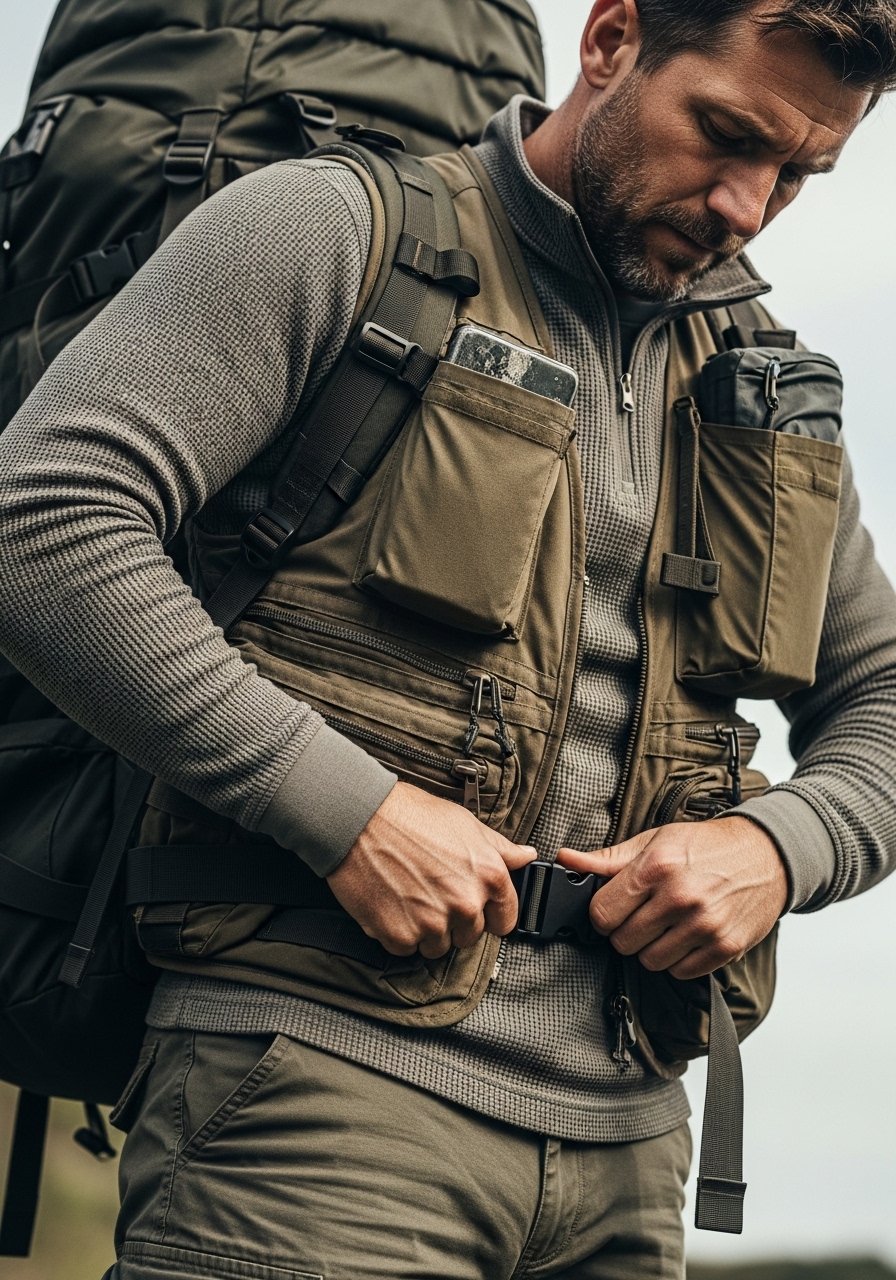
Long Trail segments. Grid fleece thermal top, cargo vest. Top grid wicked, vest organized gear.
Vest held snacks, GPS.
No shoulder rub.
Overpacked food; vest pockets cut weight.
What You’ll Need for This Trip
16. Rain Shell and Base Leggings for Stream Crossings
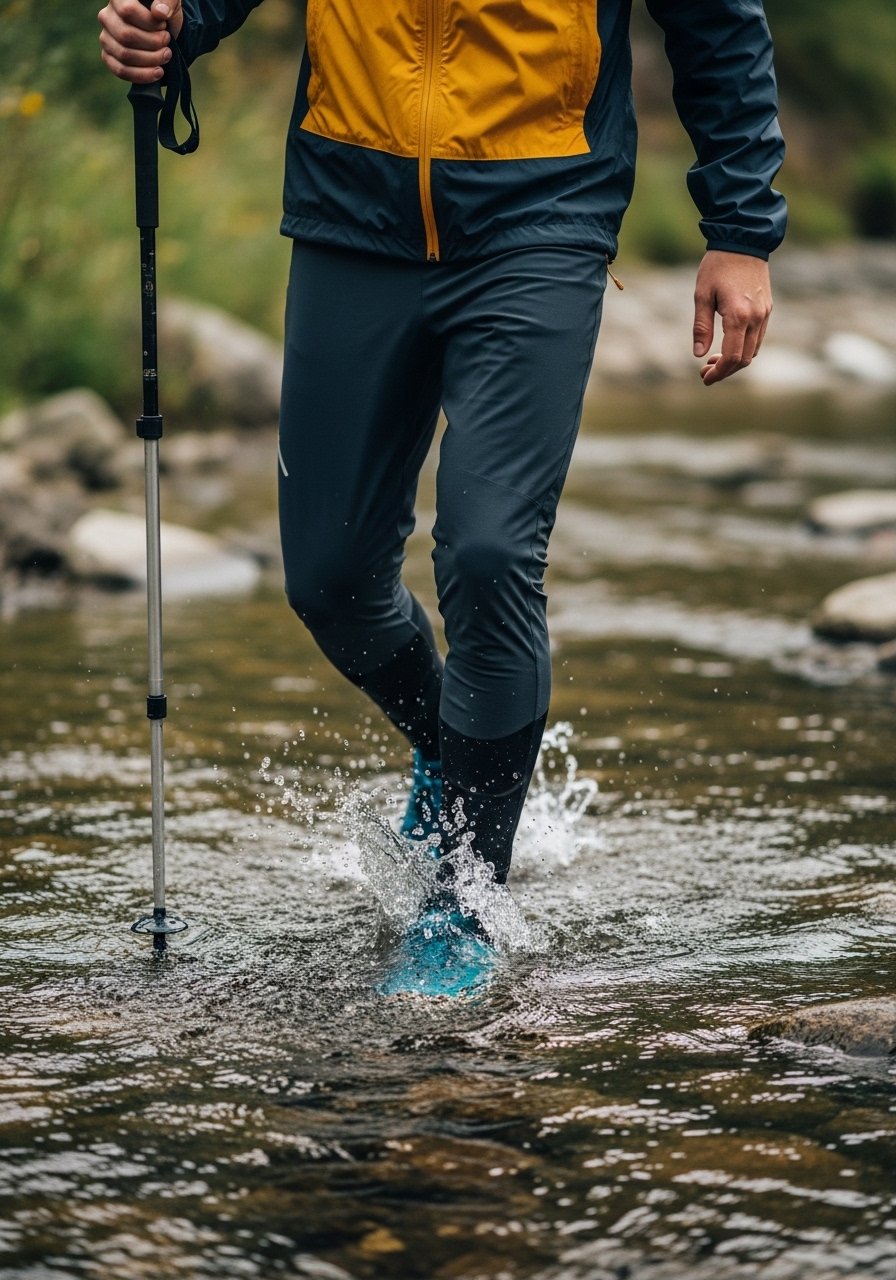
Pisgah streams rising. Breathable shell, base leggings. Dry inside after dunk.
Leggings quick-dry.
Poles gripped wet.
Shell hood stayed put.
What You’ll Need for This Trip
17. Puffer Pants and Midlayer for Snow-Dusted Ridges
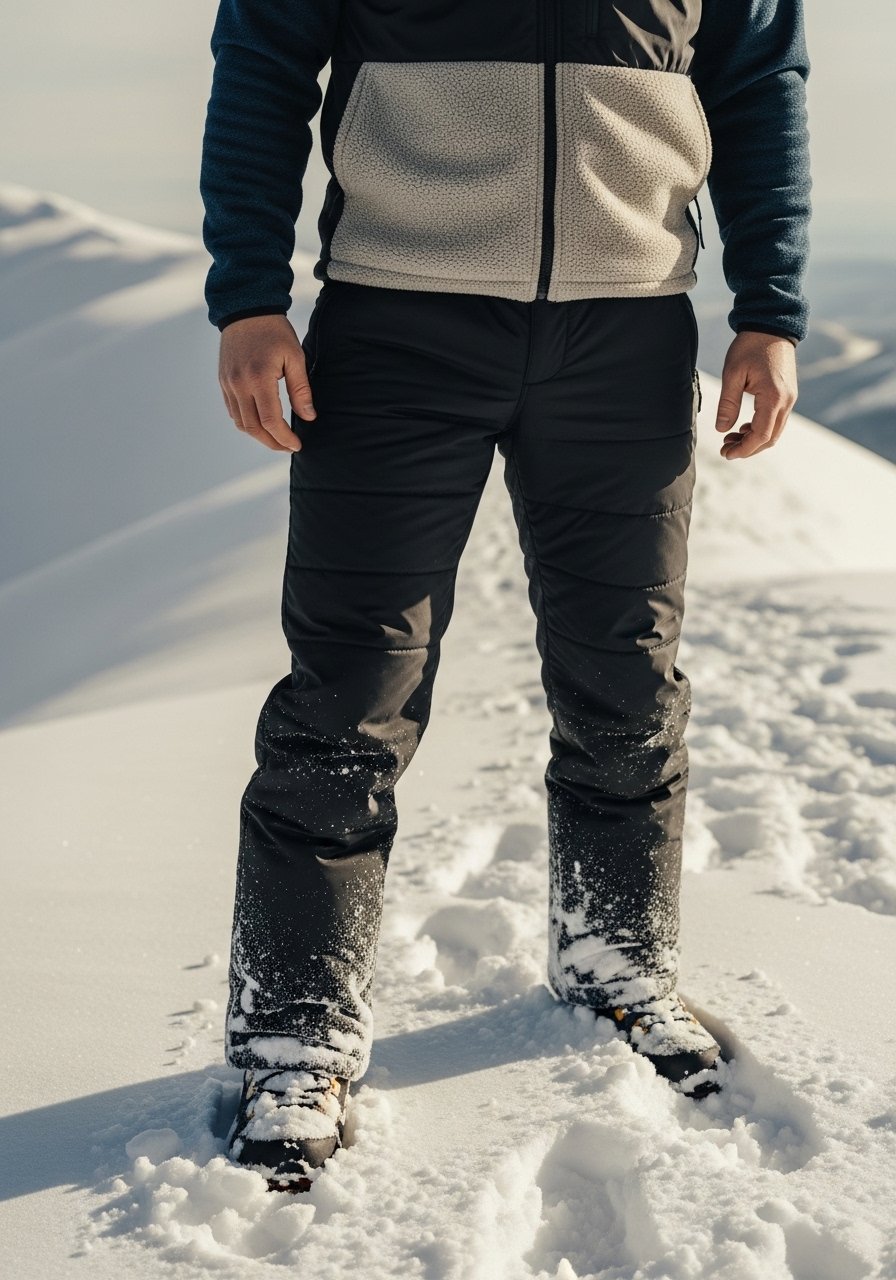
Early snow in Sierras. Insulated puffer pants, zip fleece mid. Warm to thighs.
Zips vented climbs.
Pants stuffable.
Snowmelt soaked jeans before.
What You’ll Need for This Trip
18. Long Sleeve Sun Shirt and Wind Vest for Exposed Traverses
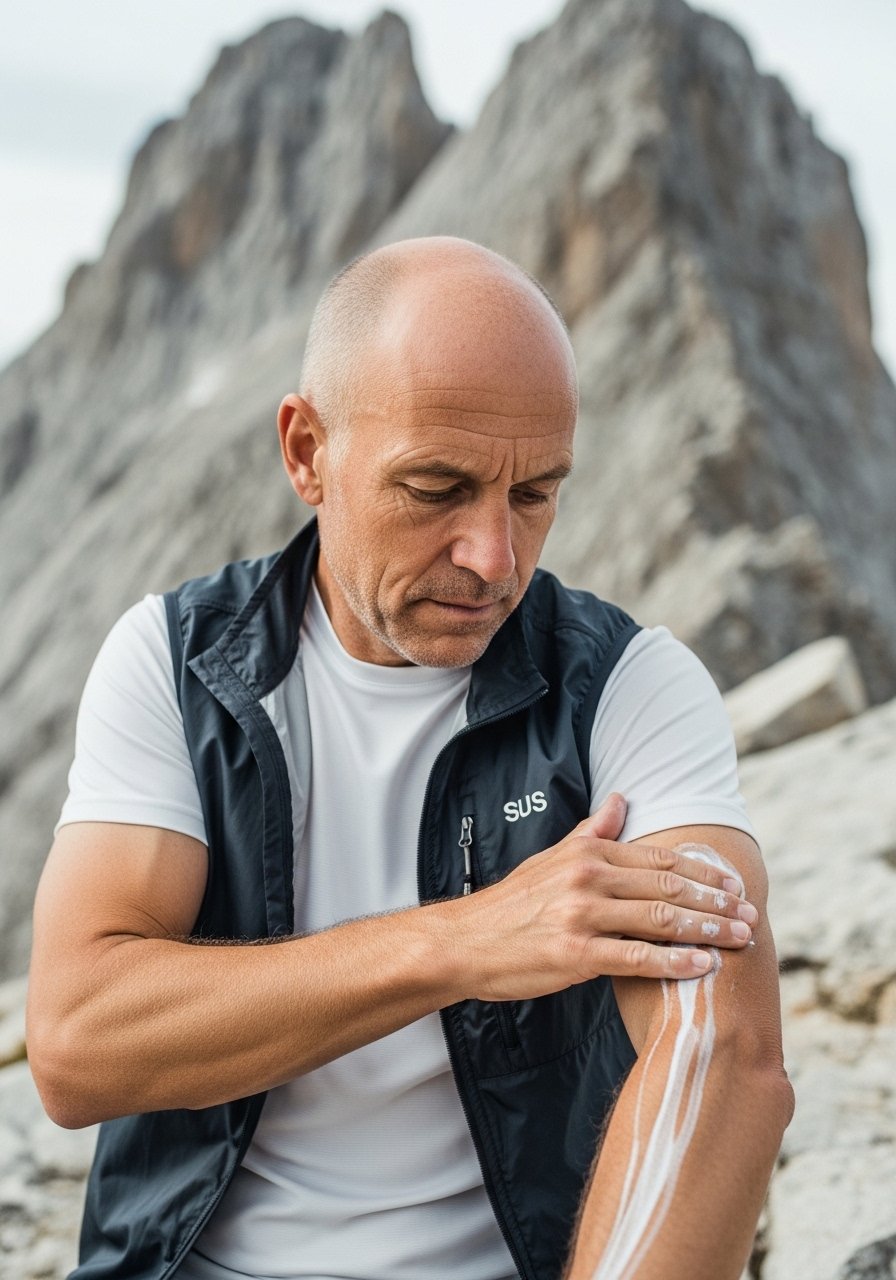
Blue Ridge balds. UPF sun shirt, wind vest. Shirt blocked rays, vest chilled afternoons.
Roll-up sleeves.
Vest mesh lined.
Sunburned arms once; UPF fixed.
What You’ll Need for This Trip
19. Hybrid Shorts and Fleece for Variable Lowlands
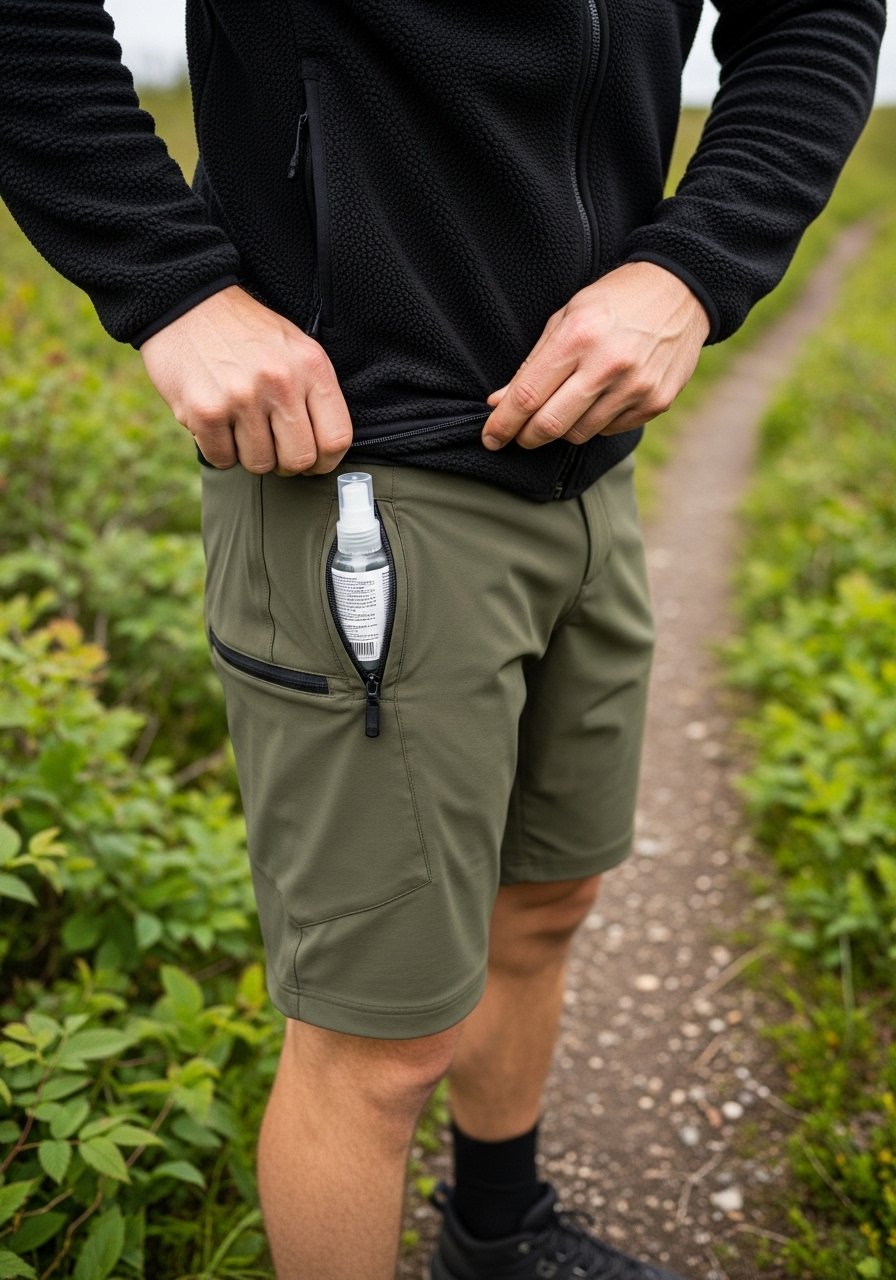
Ozark lowlands swing. Hybrid shorts with fleece liner option. Liner for AM, out for PM.
Deep pockets.
Liner removable.
Shorts too thin once.
What You’ll Need for This Trip
20. Technical Jacket and Thermals for Night Hikes
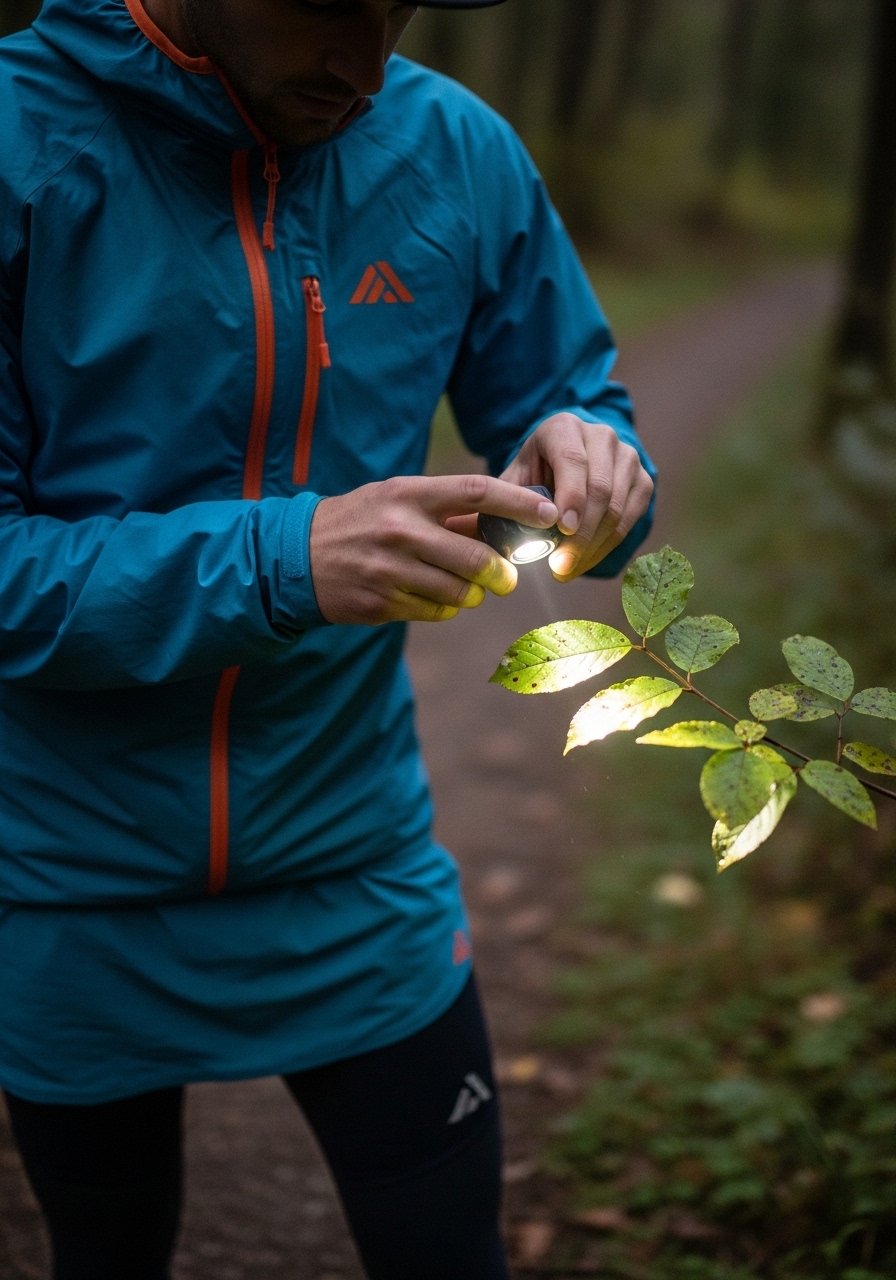
Evening Vermont woods. Seam-sealed jacket, thermals. Reflected light, stayed dry fog.
Thermals silent.
Headlamp compatible hood.
Flashlight died; headlamp key.
What You’ll Need for This Trip
21. Button-Down and Soft Pants for Scenic Strolls
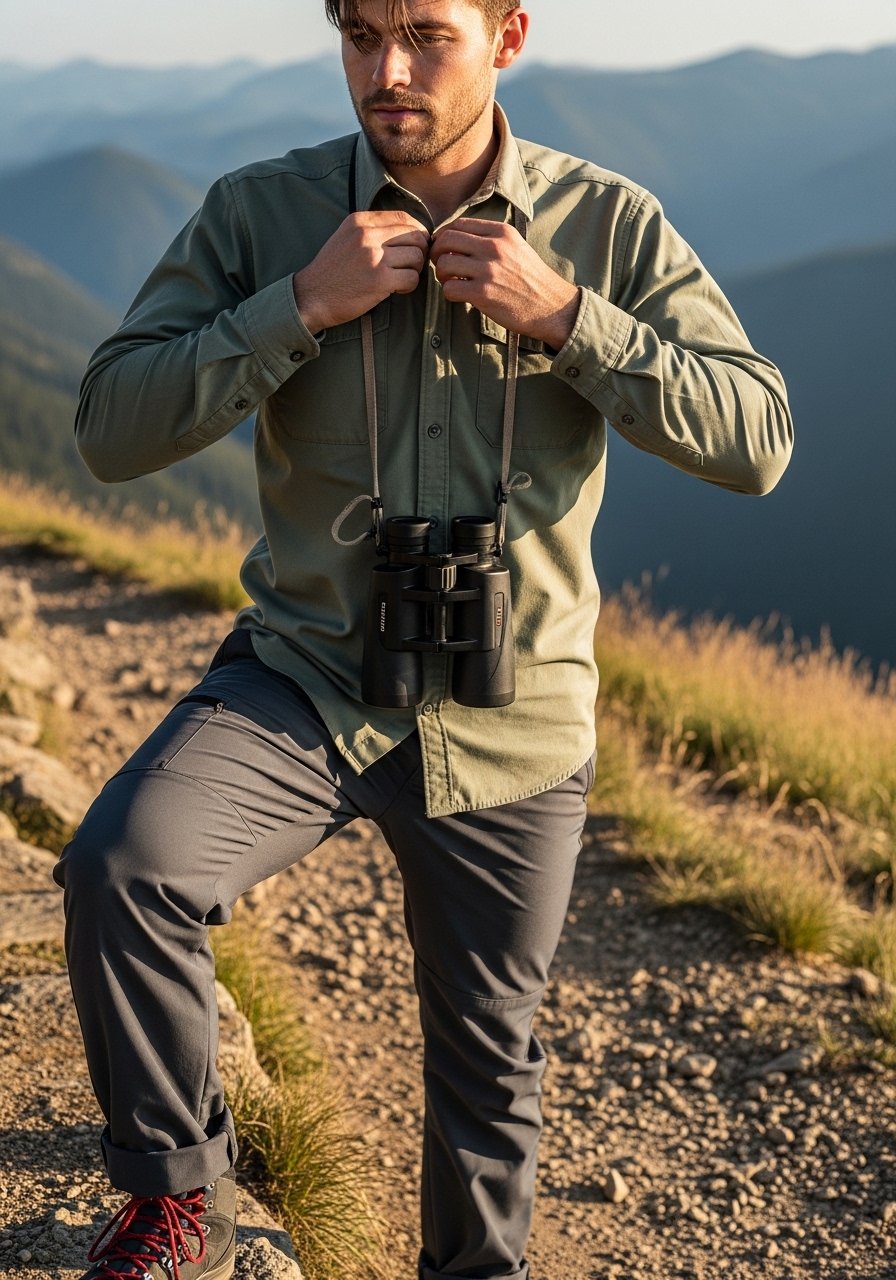
Acadia coastal paths. Wicking button-down, soft pants. Shirt untucked casual post-hike.
Pants gusseted.
Binocs hung easy.
Too formal once; this blends.
What You’ll Need for This Trip
22. Layered Zip-Offs and Hoodie for Adaptive Miles
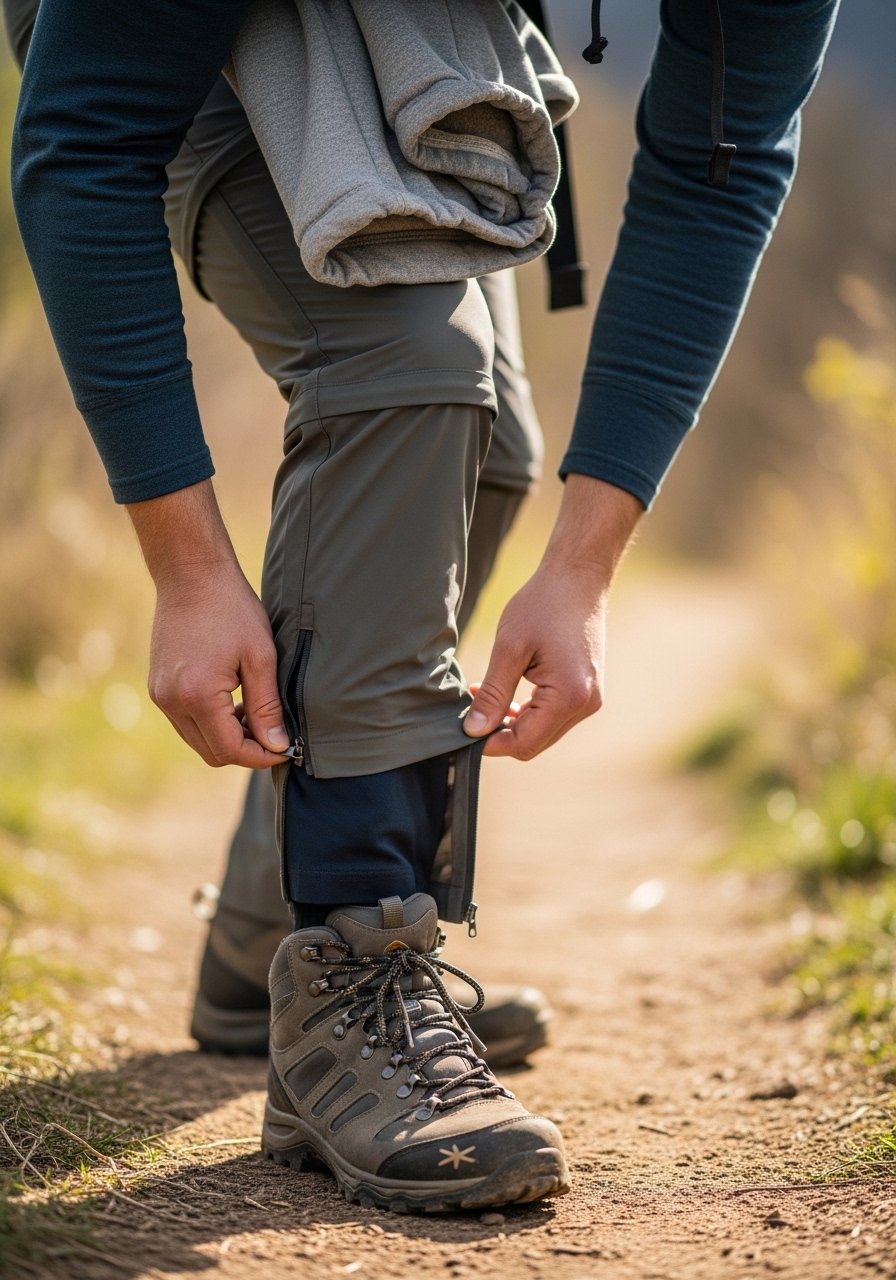
Superior Hiking Trail changes. Zip-off pants, pullover hoodie. Shorts mode by lunch.
Hoodie neck gaiter.
Zips smooth.
Pants stuck once; lubed.
What You’ll Need for This Trip
23. Vest Harness and Base for Pole-Heavy Hikes
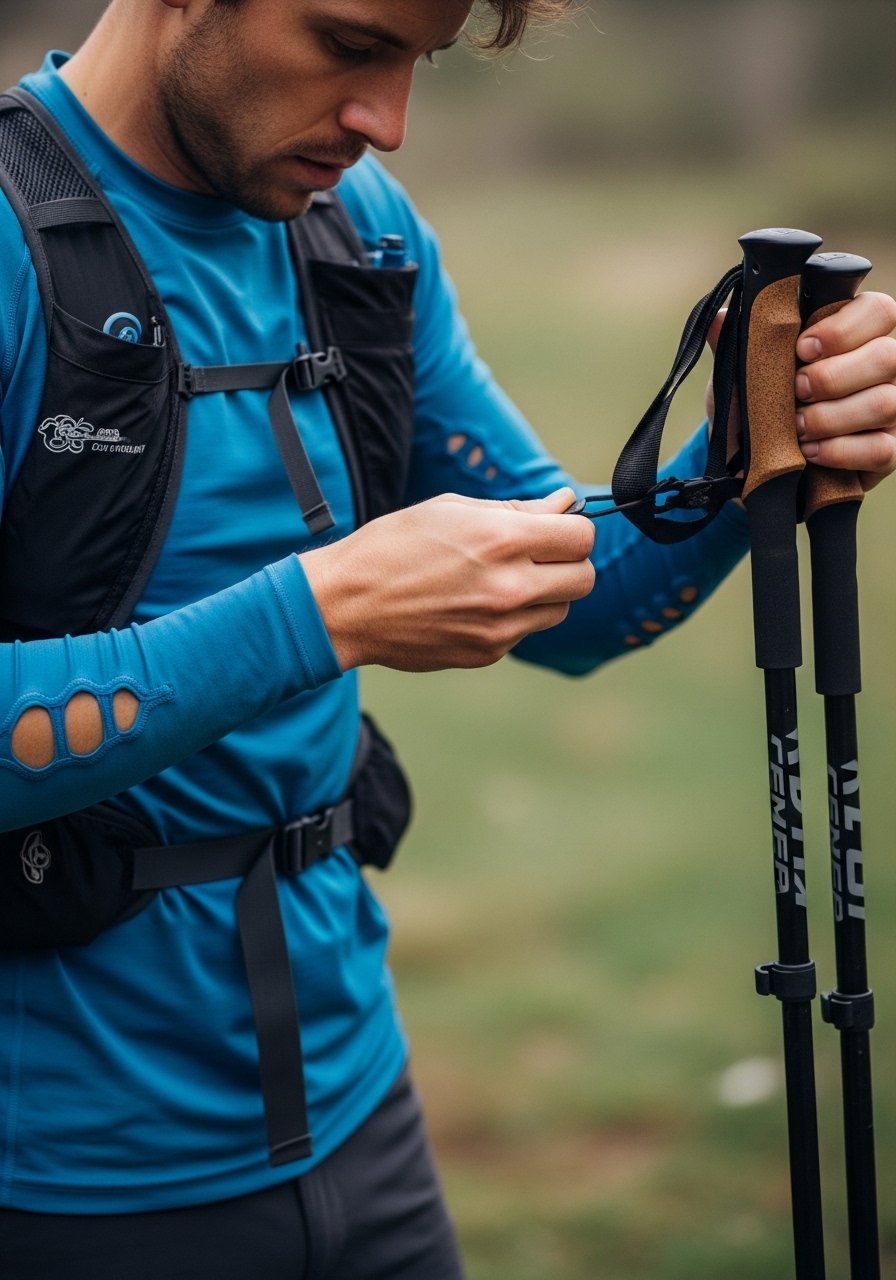
Olympics steeps. Vest with pole holders, base tee. Poles secured, tee vented.
Harness straps comfy.
Base anti-odor.
Poles tangled old vest.
What You’ll Need for This Trip
24. Full Zip Fleece and Rain Combo for Steady Drips
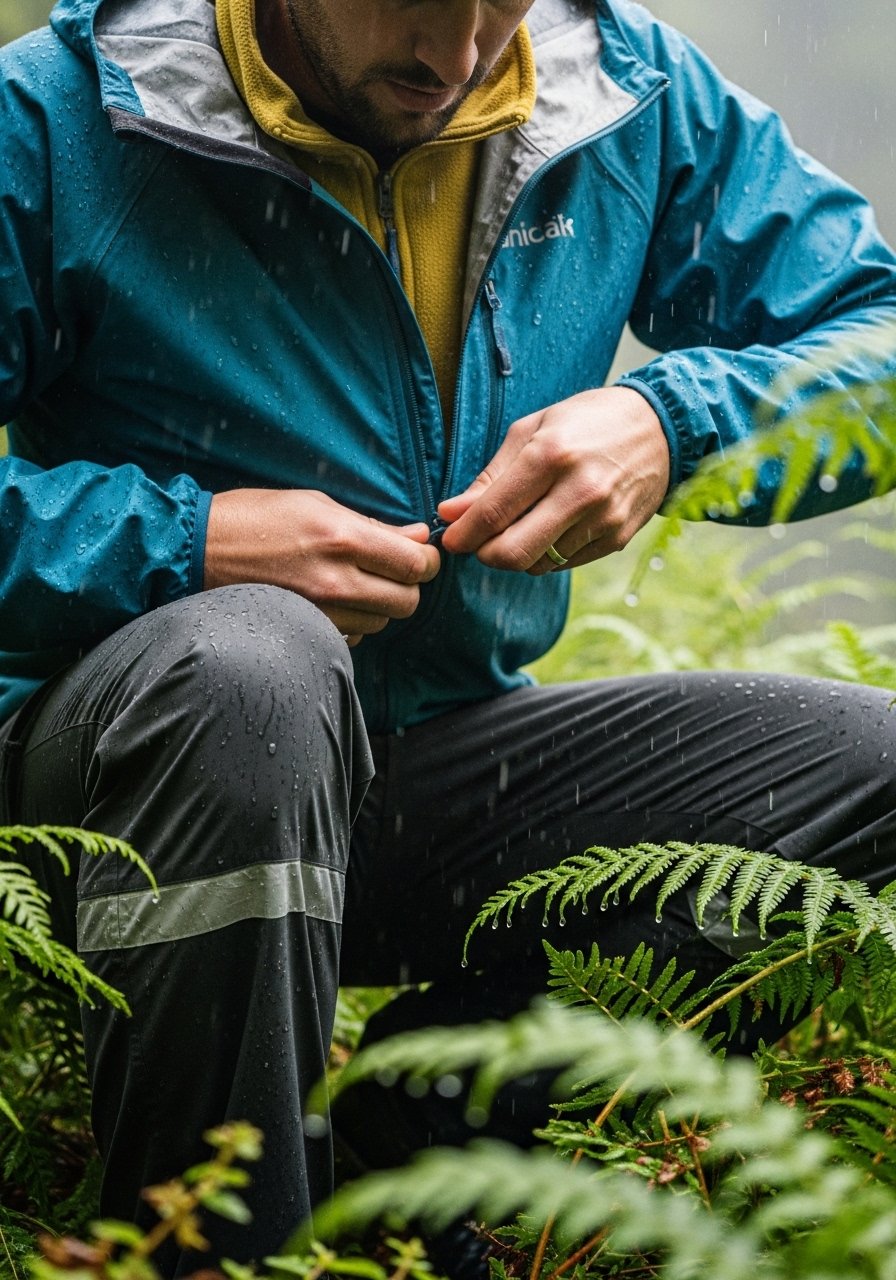
Black Hills mist. Full-zip fleece, rain set. Zipper vented, full coverage.
Fleece soft collar.
Rain taped seams.
Drips down neck fixed.
What You’ll Need for This Trip
25. Minimalist Tee and Shell for Urban Trails
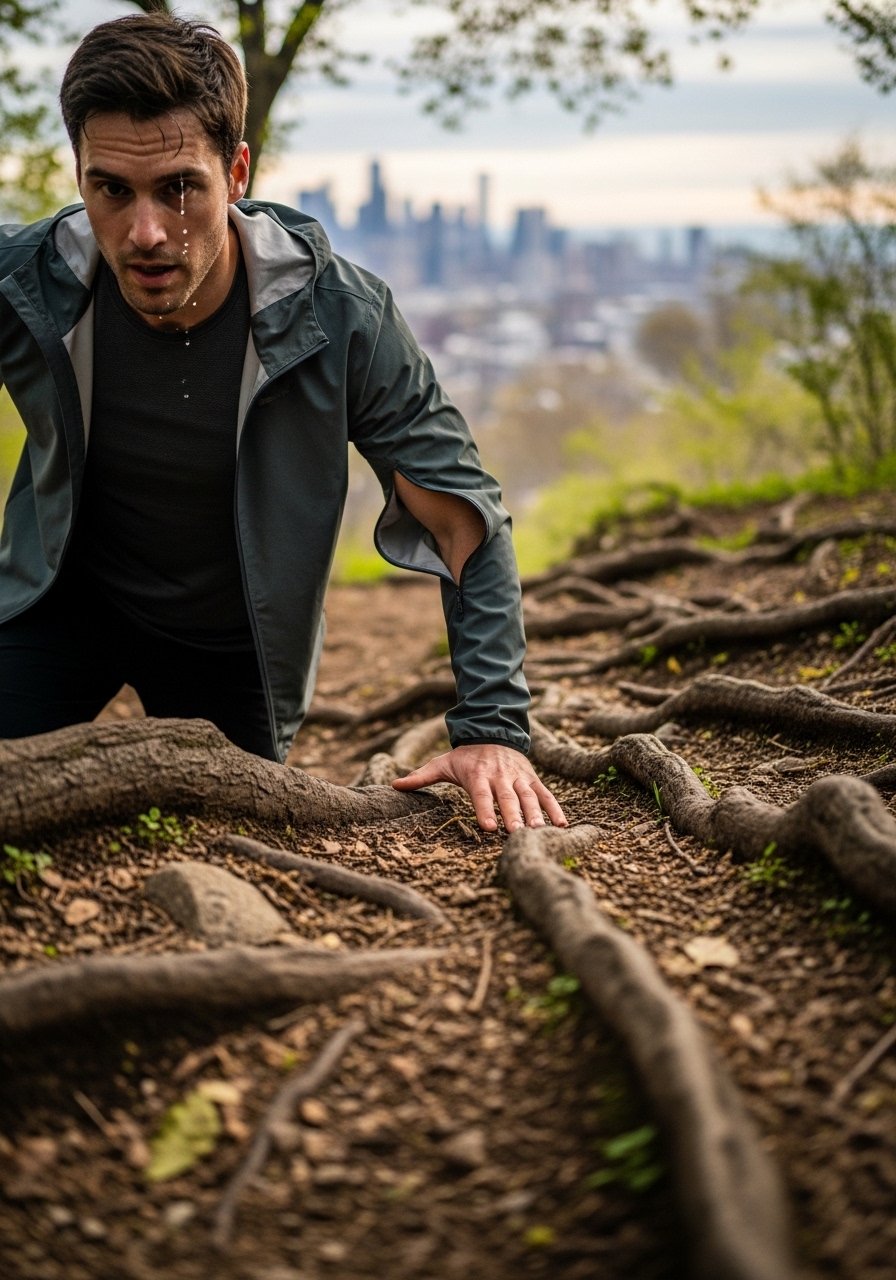
NYC-area parks. Slim tee, minimalist shell. Tee fitted no snag, shell 3oz packed.
Shell helmet compatible hood.
Quick city changes.
Shell too small first buy.
What You’ll Need for This Trip
Final Thoughts
Pick one outfit that fits your trails—no need for all 25. I've slogged through fall in most; they make miles feel doable. Layer smart, test at home. You'll hike longer, smile more. Get out there.