I remember my first solo trip to Lisbon. Wandering alone at dusk, I felt exposed. Every shadow seemed risky. Heart racing, I second-guessed every turn.
That unease stuck with me. But over dozens of trips, I learned ways to dial it down. Now, I move through cities feeling steady.
You can too. Safety isn't about luck. It's choices that build quiet confidence.
How To Stay Safe While Traveling Alone With Smart Tips
This guide shares the steps I take to travel solo without constant worry. You'll end up exploring freely, with risks handled upfront. It's simple habits that let you relax into the trip.
What You’ll Need
- Portable Door Lock, Addalock Steel, fits most doors
- Personal Safety Alarm Keychain, 130dB Siren with LED
- Anti-Theft Backpack, RFID Blocking, Slash-Proof Travel Pack
- Money Belt Hidden Under Clothes, Slim RFID Secure Pouch
- Portable Power Bank, 10000mAh Slim Charger for Phone
- Tile Mate Bluetooth Tracker for Keys and Bags
- Universal Travel Adapter with USB Ports, Compact Plug Set
- Quick-Dry Microfiber Towel, Compact for Hostels
Step 1: Research Your Destination Before Booking
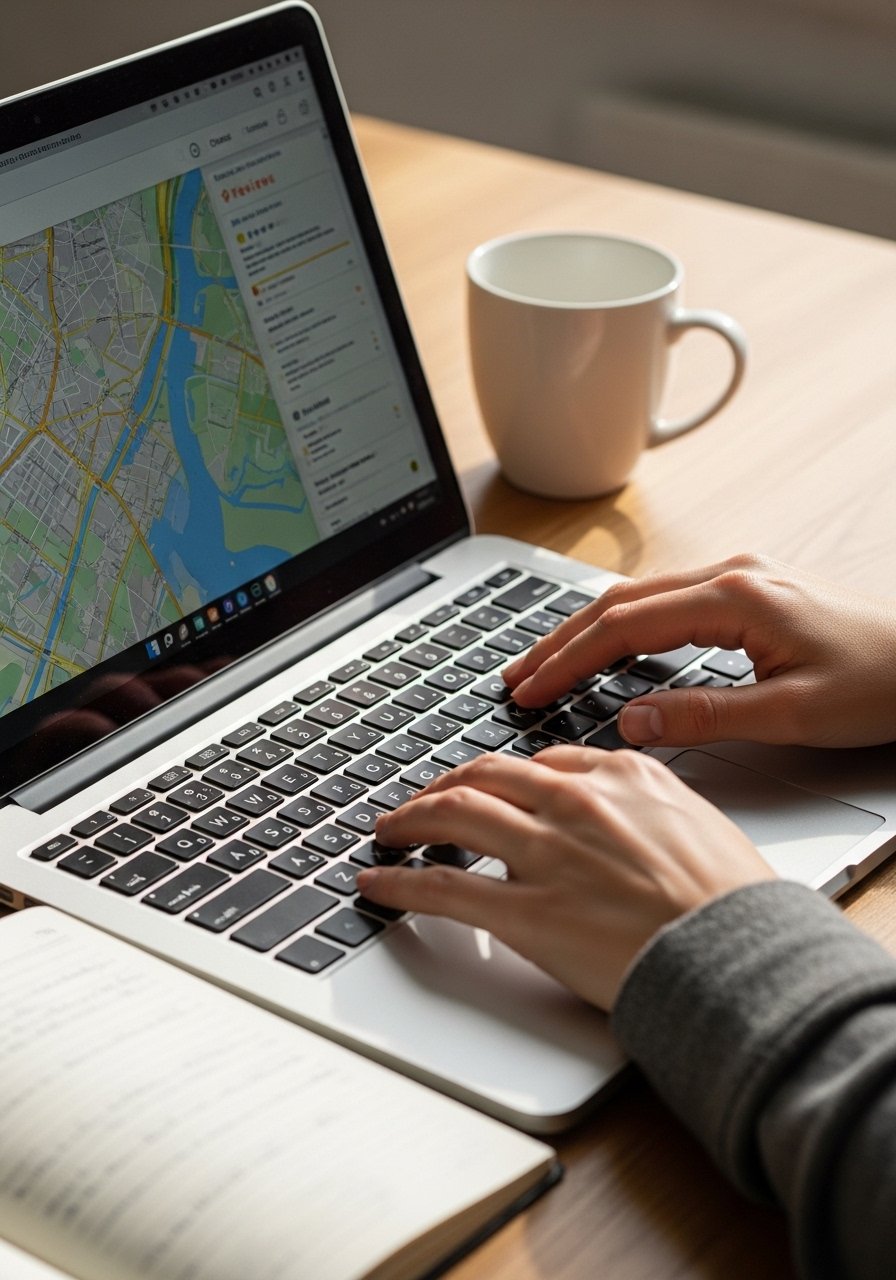
I start every solo trip here. I spend an evening digging into where I'm going. Crime stats, neighborhood vibes, common scams. Apps like Numbeo and government sites give real numbers.
This changes everything early. Instead of vague fears, I know safe zones. One insight: Tourist spots feel crowded but pickpockets love them. I map quieter paths.
People miss how daylight shifts risks. Avoid side streets after dark. Mistake to dodge: Skipping local news. I check it weekly. Now, I walk with purpose.
Step 2: Share Your Itinerary and Check In
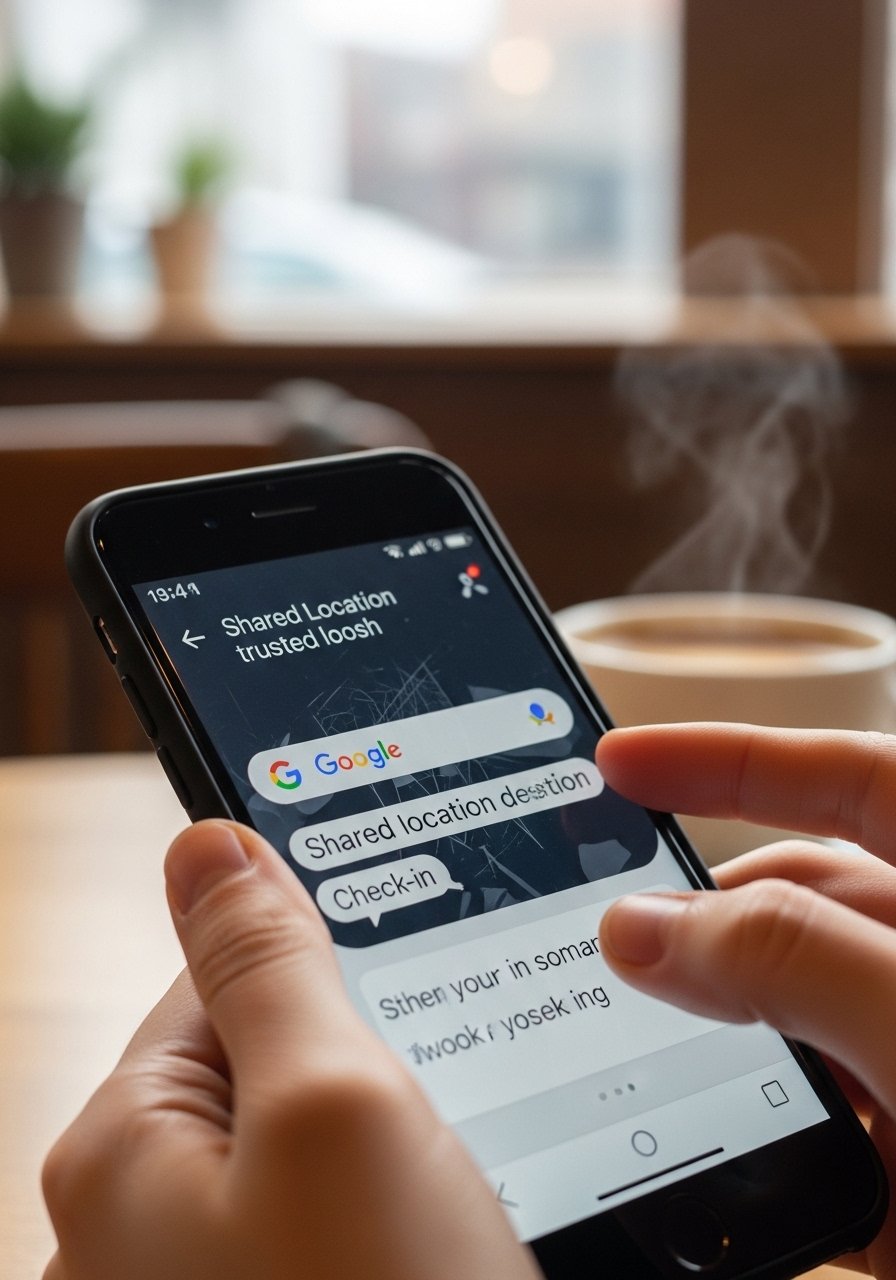
Before wheels up, I text my itinerary to two people. Hotels, flights, daily plans. I set check-ins: "Safe at 8pm."
It shifts my mindset. No isolation. They know where I am via apps. Insight folks overlook: Location sharing isn't forever—turn it off post-trip.
Common slip: Vague updates like "All good." I send specifics. If delayed, one text flags it. Comfort comes from that quiet backup.
Step 3: Choose Secure Transport and Accommodations
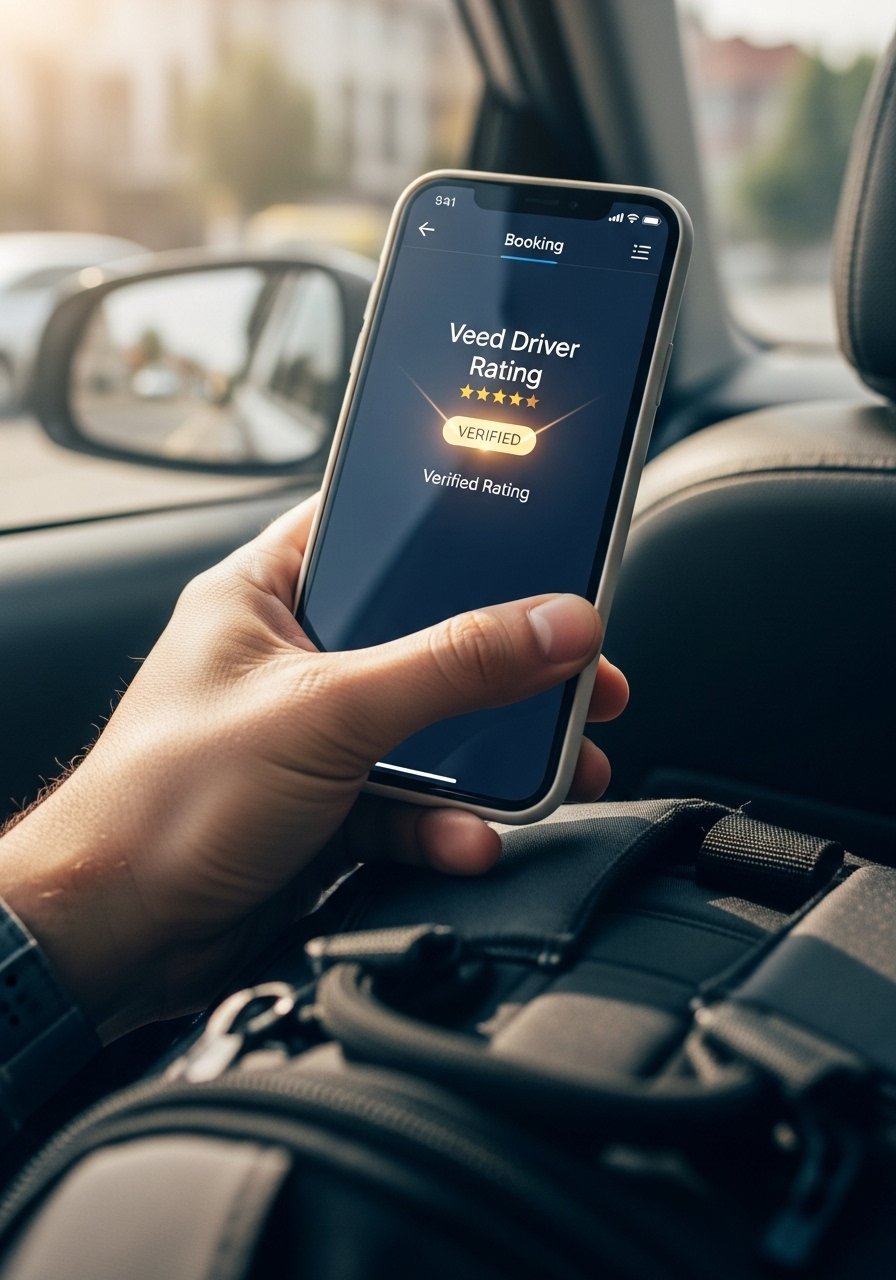
I book rides only through apps like Uber with ratings over 4.8. Hotels get triple-checked: Reviews mention locks, 24-hour staff.
This sets a calm base. No sketchy hostels. Insight: Women travelers note front desk women for late arrivals. Avoid mistake of cheapest option—mid-range feels solid.
I arrive settled. Streets feel navigable. That first night sleep matters most.
Step 4: Secure Your Belongings Daily
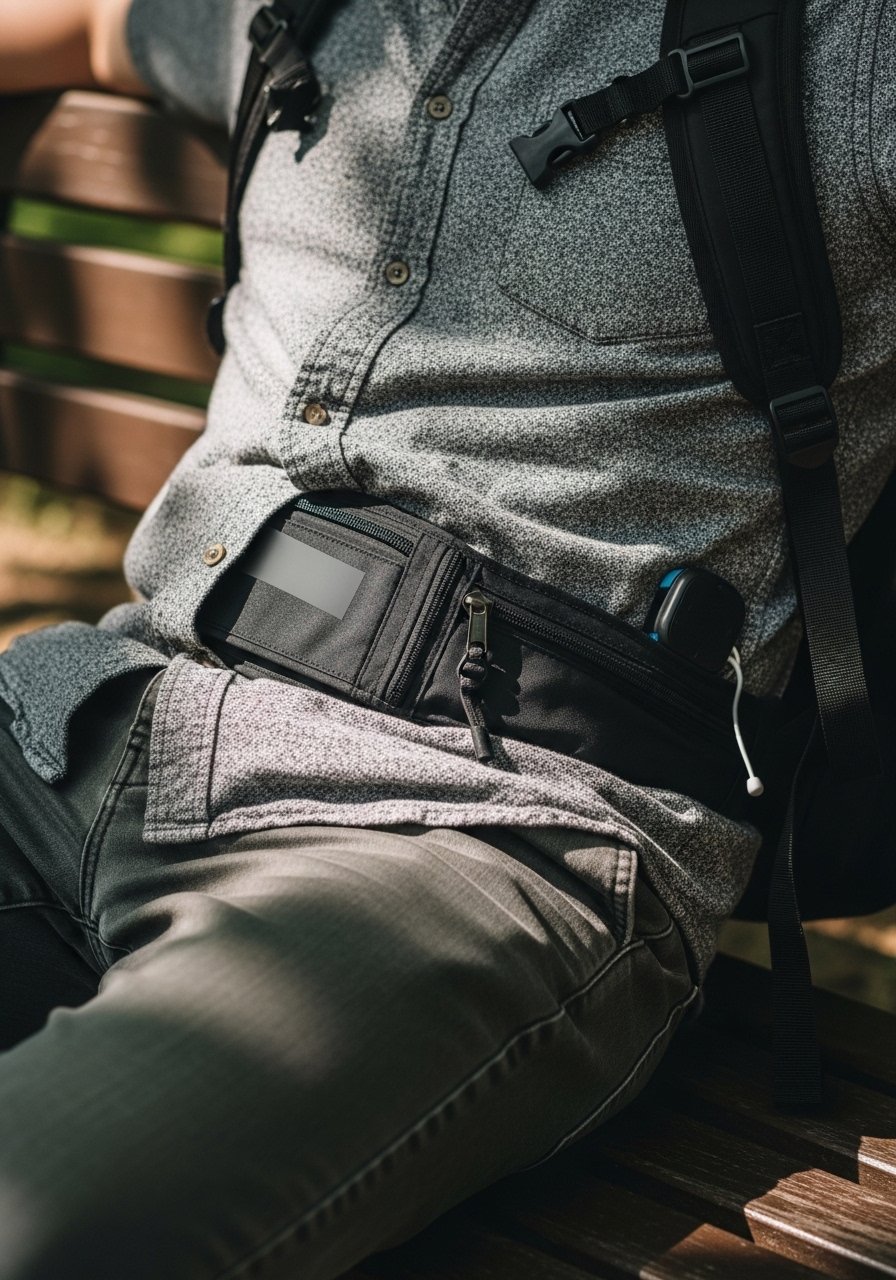
Each morning, I layer defenses. Money belt for passport, decoy wallet for cash. Backpack stays front-worn in crowds.
It frees my hands. No paranoia. Missed insight: Phones get snatched too—use wrist lanyards. Don't flash valuables; blend in.
One error: Overpacking. Light means agile. I move smooth, eyes up.
Step 5: Trust Instincts and Have Quick Exits
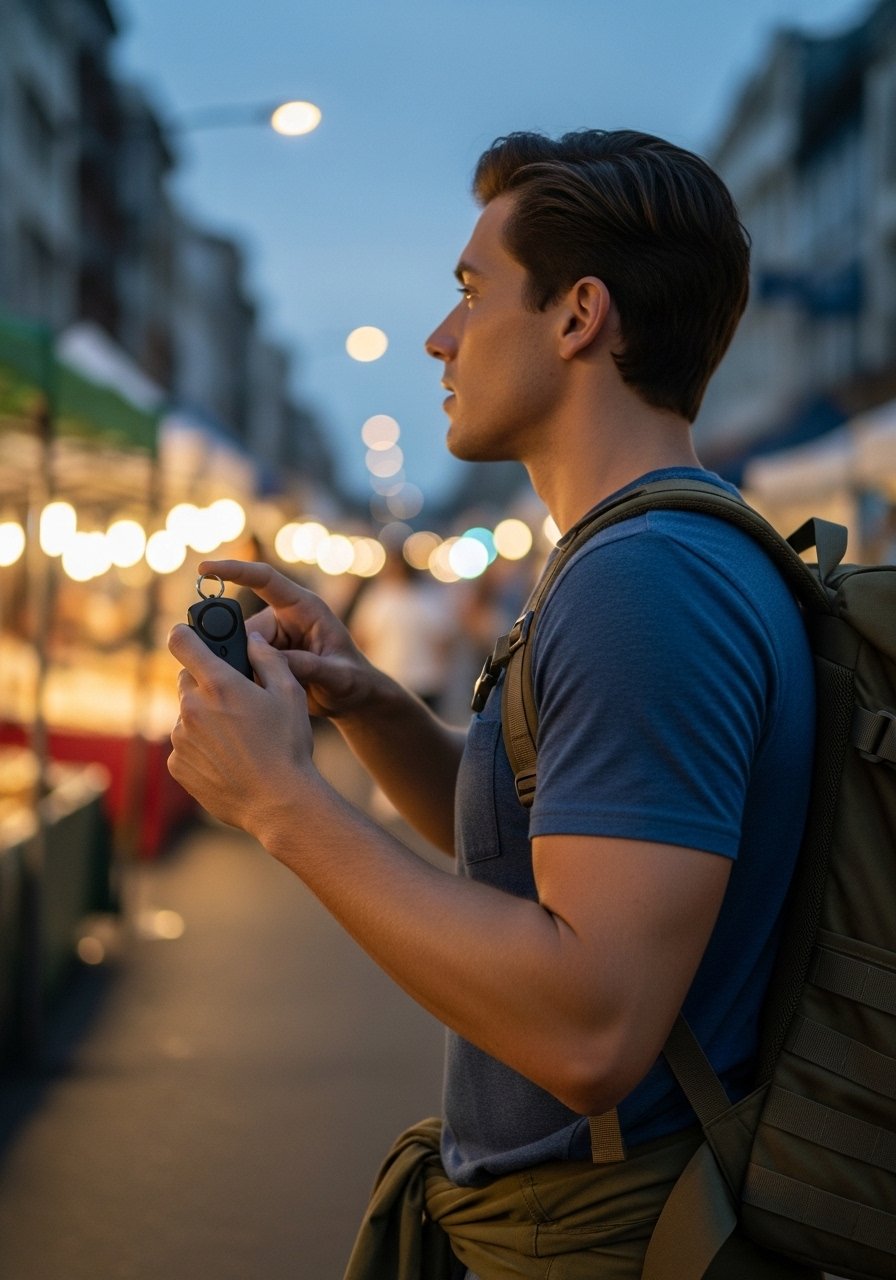
I listen to my gut. Uneasy vibe? I leave. Alarm ready, local emergency numbers saved.
This builds real flow. Hesitation costs time. Insight: Crowds numb senses—step aside often. Avoid solo drinks with strangers.
Practice exits mentally. It turns stress to control. Trips feel balanced.
Daily Habits That Keep Risks Low
I build routines that stick. They don't take extra time.
- Scan rooms on entry: Windows locked? Exits clear?
- Walk facing traffic. Earbuds in one ear only.
- Eat where locals do. Safer crowds.
These make days predictable. No big effort, just awareness.
What to Do If Things Feel Off
It happens. A bad vibe hits.
Stay calm. Step into a shop. Text your contact: "Delayed, new plan."
Apps like bSafe connect live. I breathe, reroute. Most "emergencies" fade fast.
Building Confidence Over Time
Solo safety grows with trips. First ones test nerves.
Note what worked. Adjust. I log safe spots per city.
Soon, instinct sharpens. Travel shifts to joy, not worry.
Final Thoughts
Start with one trip close by. Test these steps.
You'll notice the difference. Less second-guessing, more presence.
Safety lets the good parts shine. You've got this—go steady.