I remember my first real hike—up a local state park trail. Feet soaked, blisters forming by noon because I skipped proper shoes. Pack too heavy, no water plan. I turned back early, frustrated. But next time, with basics sorted, it clicked. Trails opened up, no drama. You can start simple, feel capable right away.
These small tweaks made hiking stick for me. No overwhelm, just steady steps.
21 Easy Hiking Essentials for Beginners to Know
Here are 21 easy hiking essentials I've packed on dozens of trips, from short state park loops to longer Smoky Mountain days. These 21 ideas cover what keeps you safe, comfy, and moving. Pick a few to start—no need for all at once.
1. Broken-In Hiking Shoes That Prevent Blisters from Mile One
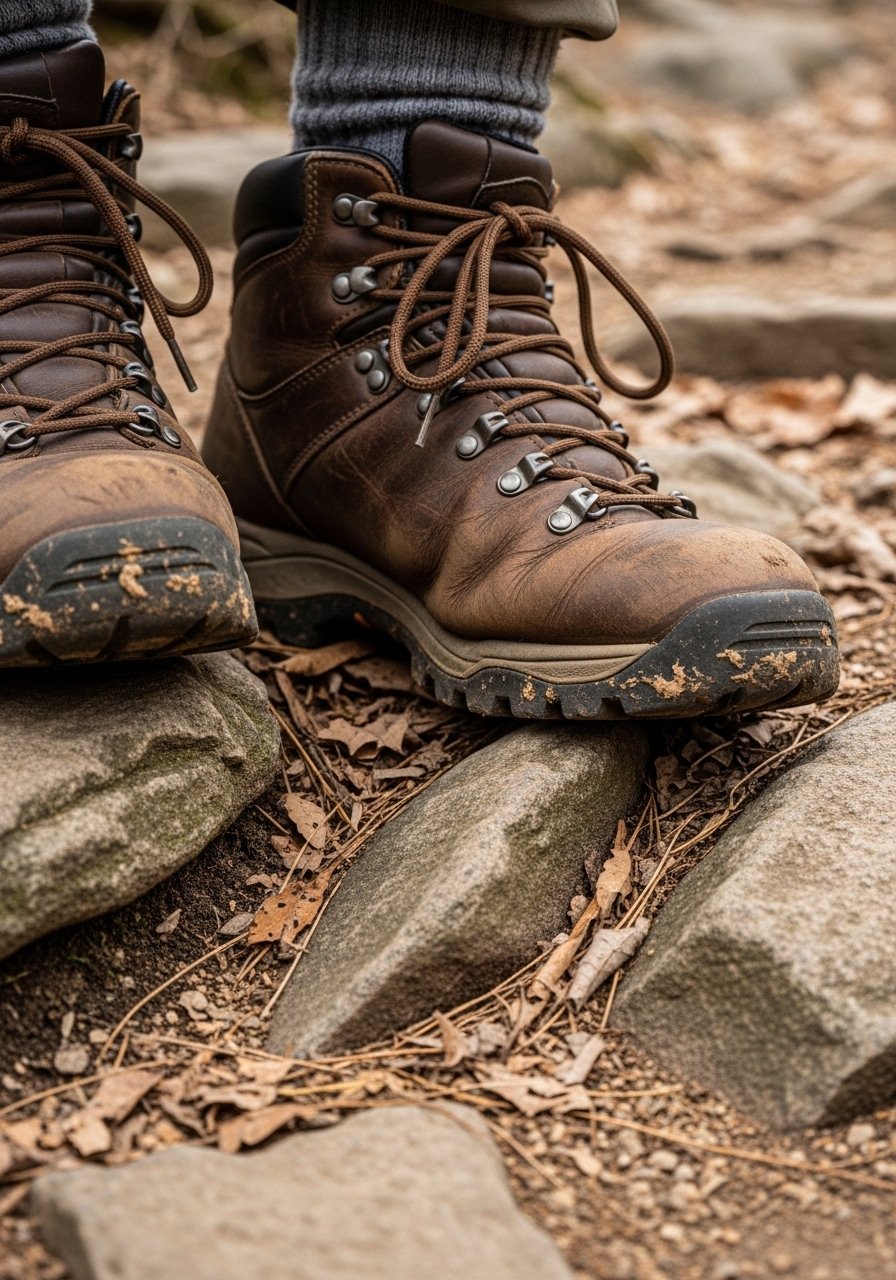
I grabbed cheap sneakers for my first 5-mile loop. Big mistake—blisters sidelined me halfway. Switched to mid-weight hikers, broken in around the block first. They gripped roots on wet Shenandoah paths without sliding. Feet stayed dry inside, even after stream crossings. That padding under the heel? Saves your arches on downhills.
Now, I walk in them daily before trips. Laces double-knotted, no hotspots. Emotionally, solid shoes make you trust each step, like the trail's got your back.
Pay attention to wide toe boxes—your feet swell. Test on uneven ground locally.
One hike, I overtightened laces, cut circulation. Lesson: snug but not strangling.
What You’ll Need for This Trip
2. Lightweight Daypack for Hands-Free Trail Comfort
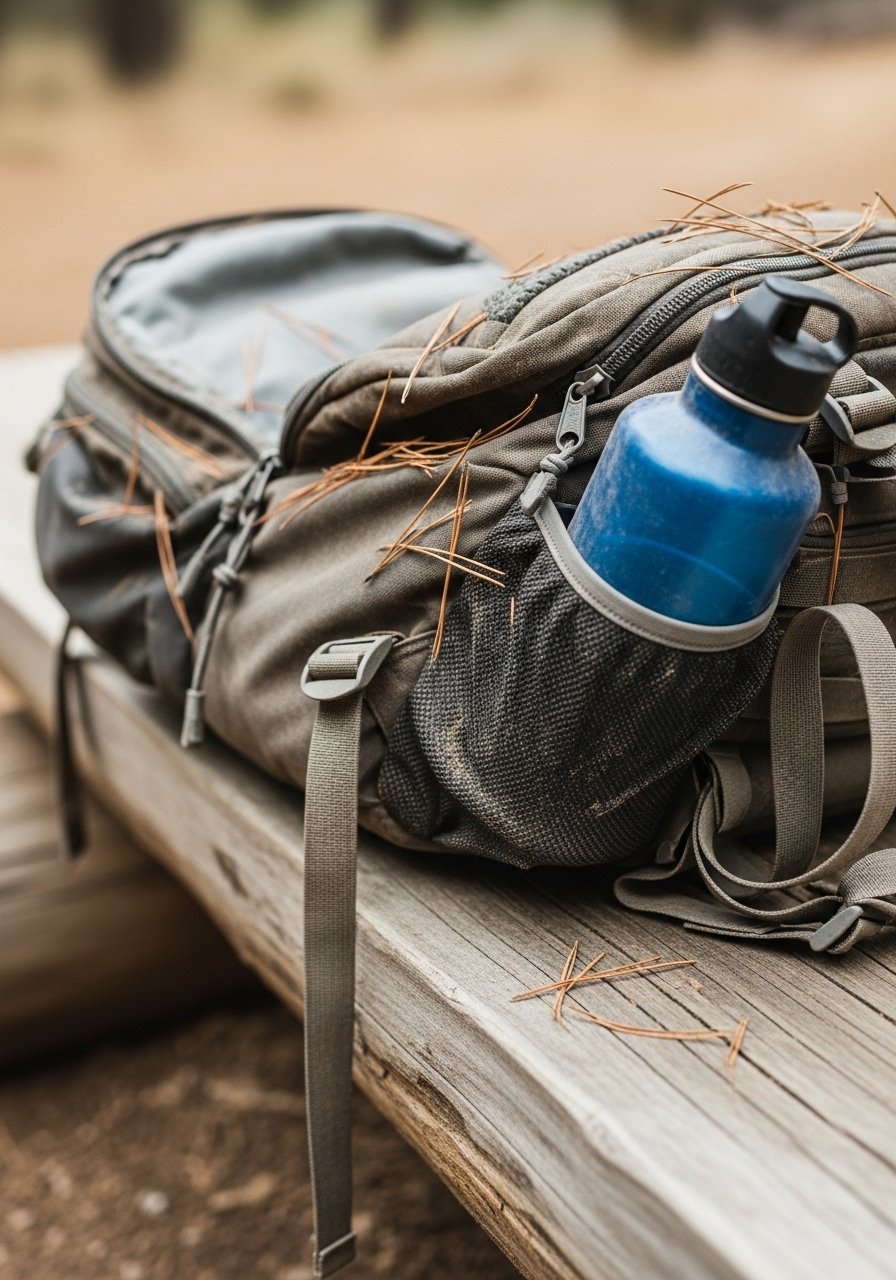
Overpacked a huge backpack once—shoulders screamed by lunch. Daypack changed that. 20L size carried water, snacks, layers on a 10-mile Adirondacks out-and-back without strain. Hip belt took weight off, sternum strap kept it steady over rocks.
Felt free, not burdened. Zippered pockets grabbed gloves quick when wind picked up.
Choose adjustable straps—fit matters more than color. Ventilated back panels stop sweat pools.
I once forgot to cinch the top, snacks spilled on switchbacks. Secure loose ends.
What You’ll Need for This Trip
3. Insulated Water Bottle to Stay Hydrated Without Refills
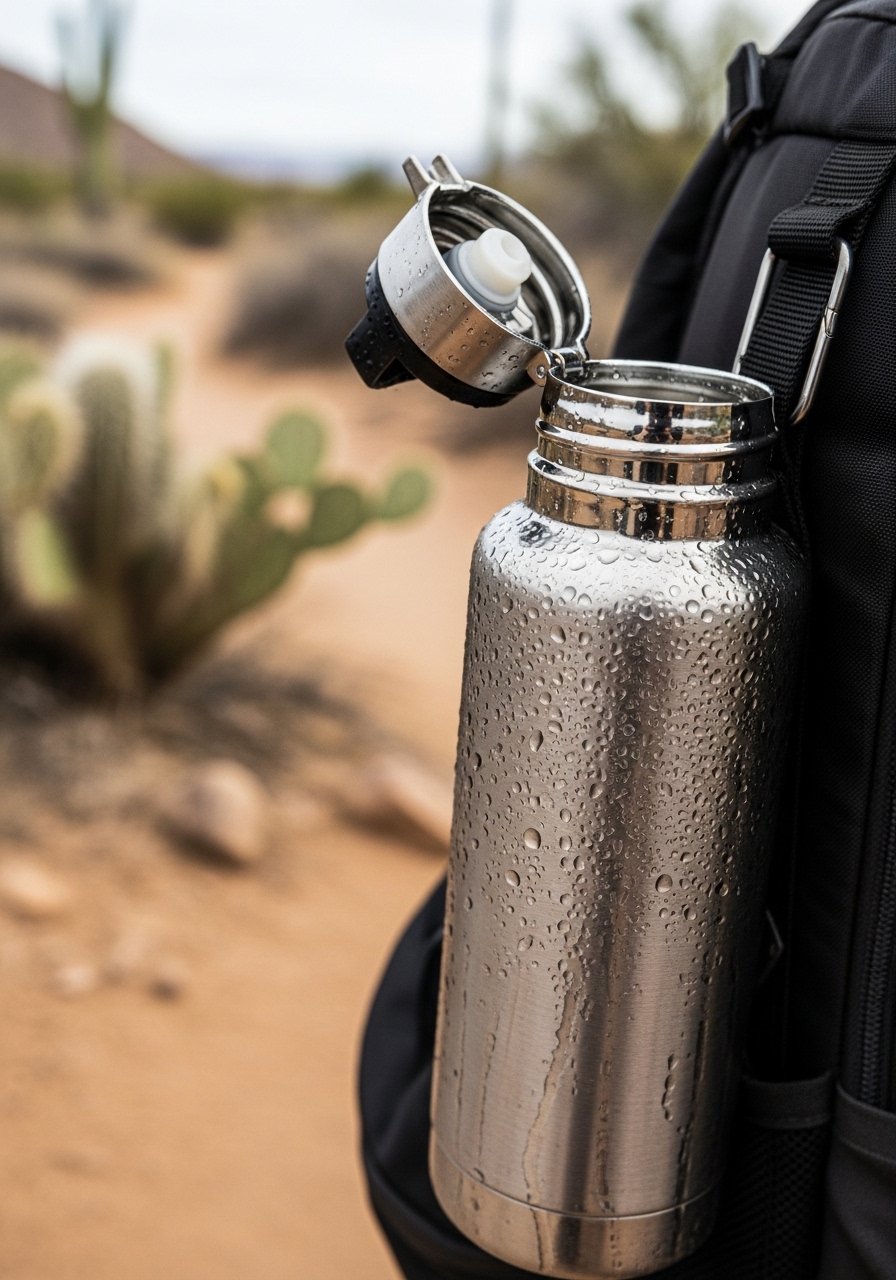
Dehydration hit me hard on a dry Colorado loop—no bottle, borrowed warm stream water. Now, 32oz insulated one keeps ice cold for hours. Sipped steady on 8-miler, no cotton mouth, energy even.
Wide mouth fits ice cubes easy. Leakproof cap survived pack tumbles.
Notice thirst early—sip every 20 minutes. Chug later feels worse.
What You’ll Need for This Trip
4. Compact First Aid Kit for Quick Trail Fixes
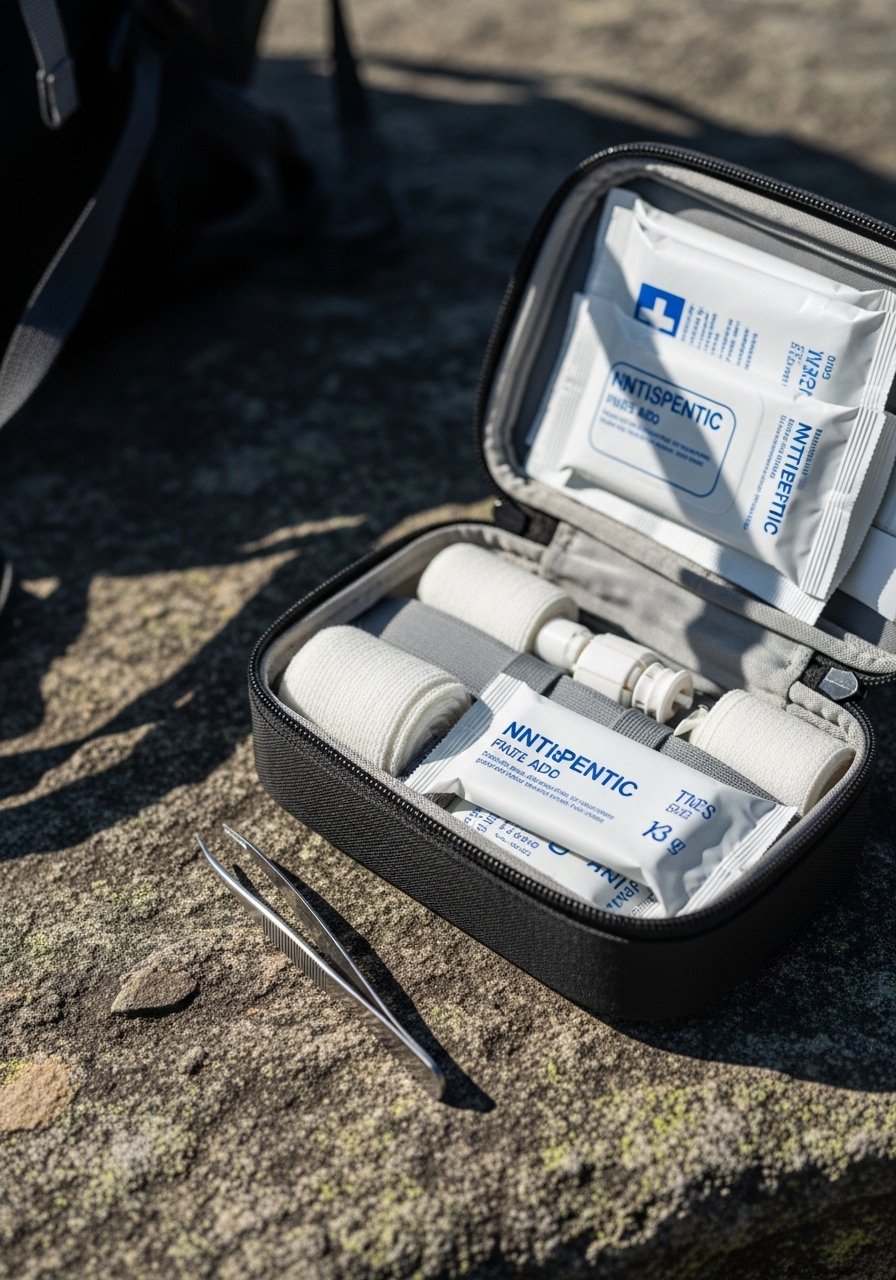
Tweezed a splinter mid-hike with no kit—感染 set in later. Stocked a small one now: moleskin for blisters, ibuprofen for knees. Handled a twisted ankle on Smokies trail, back down fine.
Pouch clips to pack strap, always there. Extras like whistle inside.
Tailor to you—add allergy meds if needed. Check expiration before.
What You’ll Need for This Trip
5. Headlamp for Unexpected Late Returns
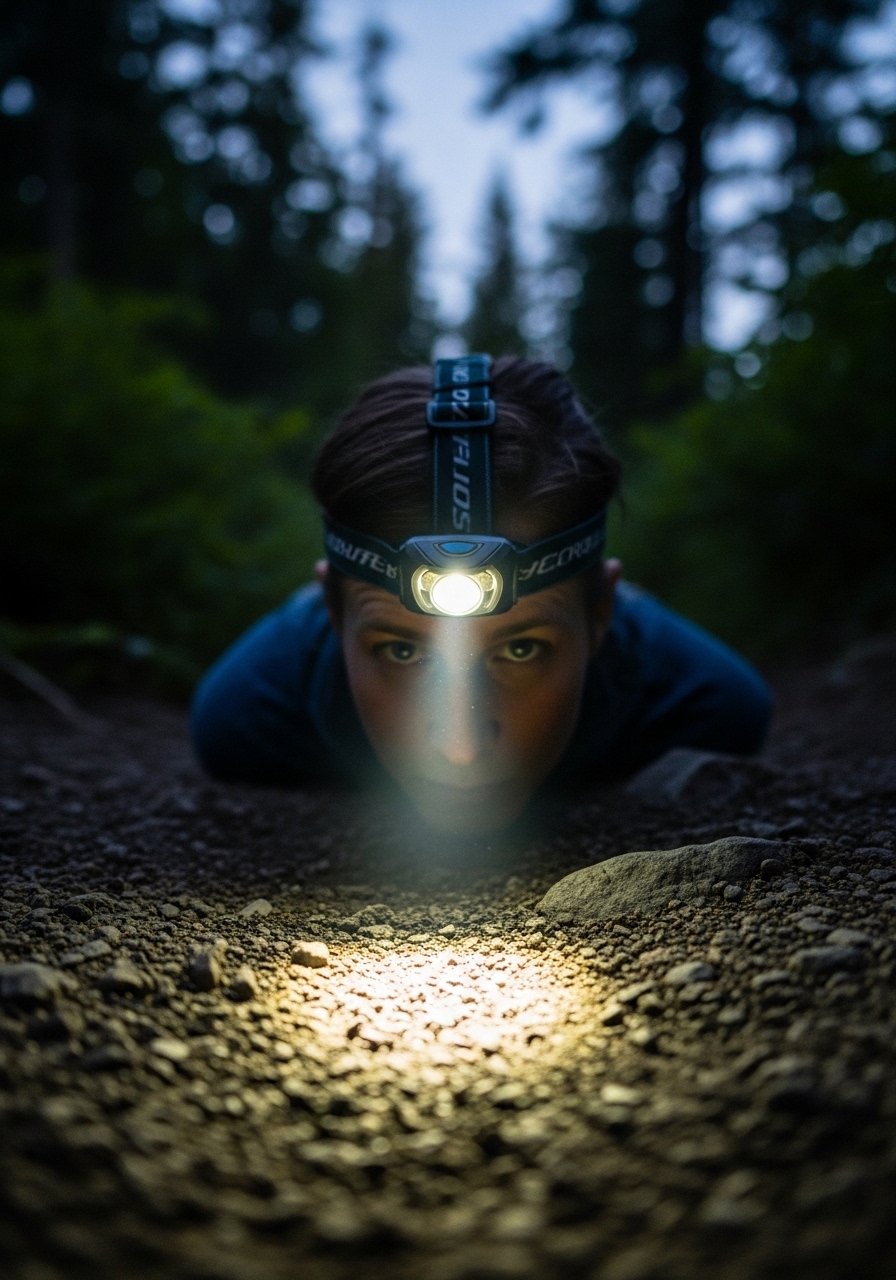
Sun dropped fast on a fall hike—stumbled blind without light. Headlamp's red mode saved eyes adjusting, white beam picked rocks clear. 200 lumens plenty for 6-hour battery.
Wore it ready around neck first half. Hands free for poles.
Test beam patterns pre-hike. Spare batteries in pack.
Forgot to charge once, barely made trailhead. Charge night before.
What You’ll Need for This Trip
6. Multi-Tool for Trailside Repairs and Snacks
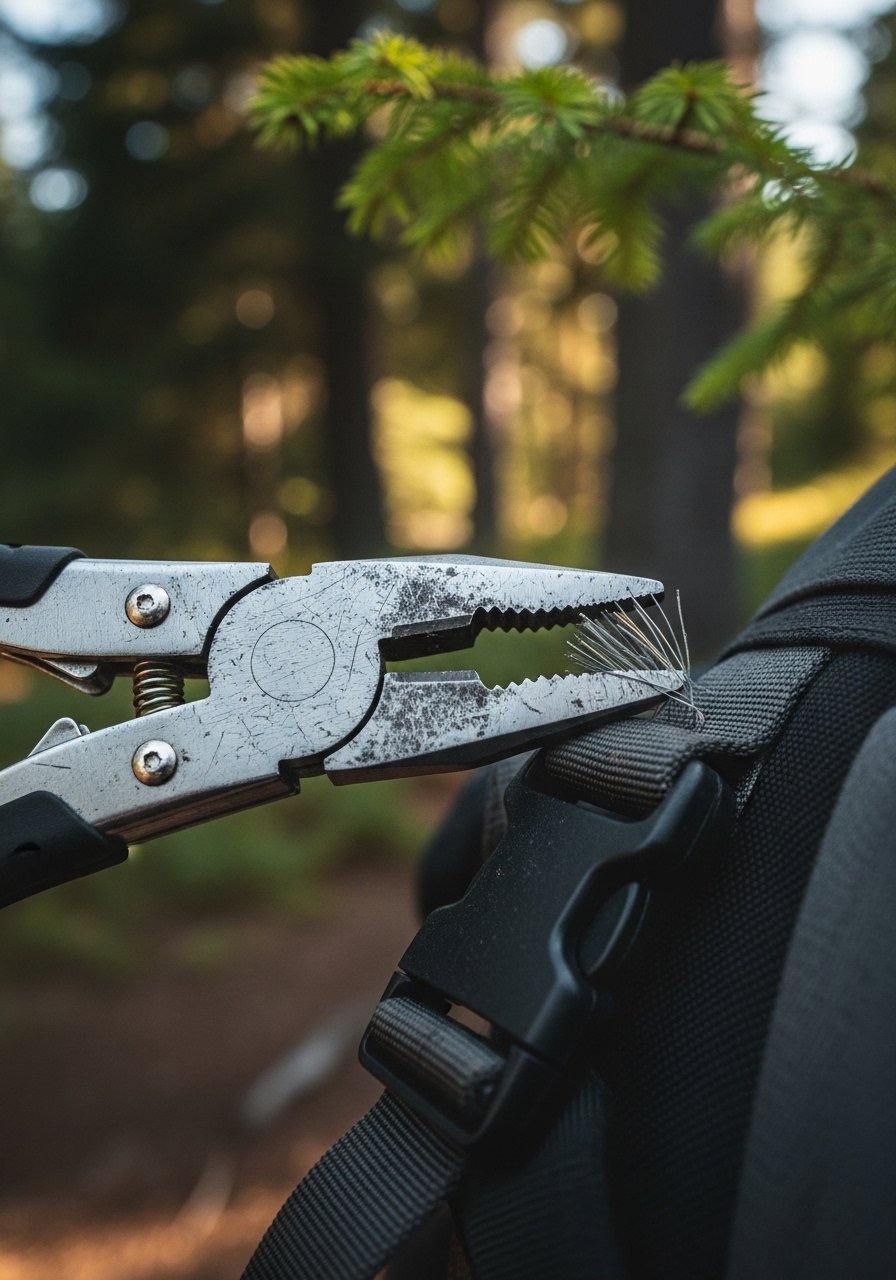
Strap snapped mid-hike—no fix, carried pack awkward. Multi-tool's pliers crimped it back. Also opened snack packs, tweaked loose boot lace hook.
Pocket-sized, hangs on carabiner. Sturdy for wood shavings if needed.
Quality steel lasts—avoid plastic bits. Practice opening one-handed.
What You’ll Need for This Trip
7. Energy-Packed Snacks That Don't Melt or Crush
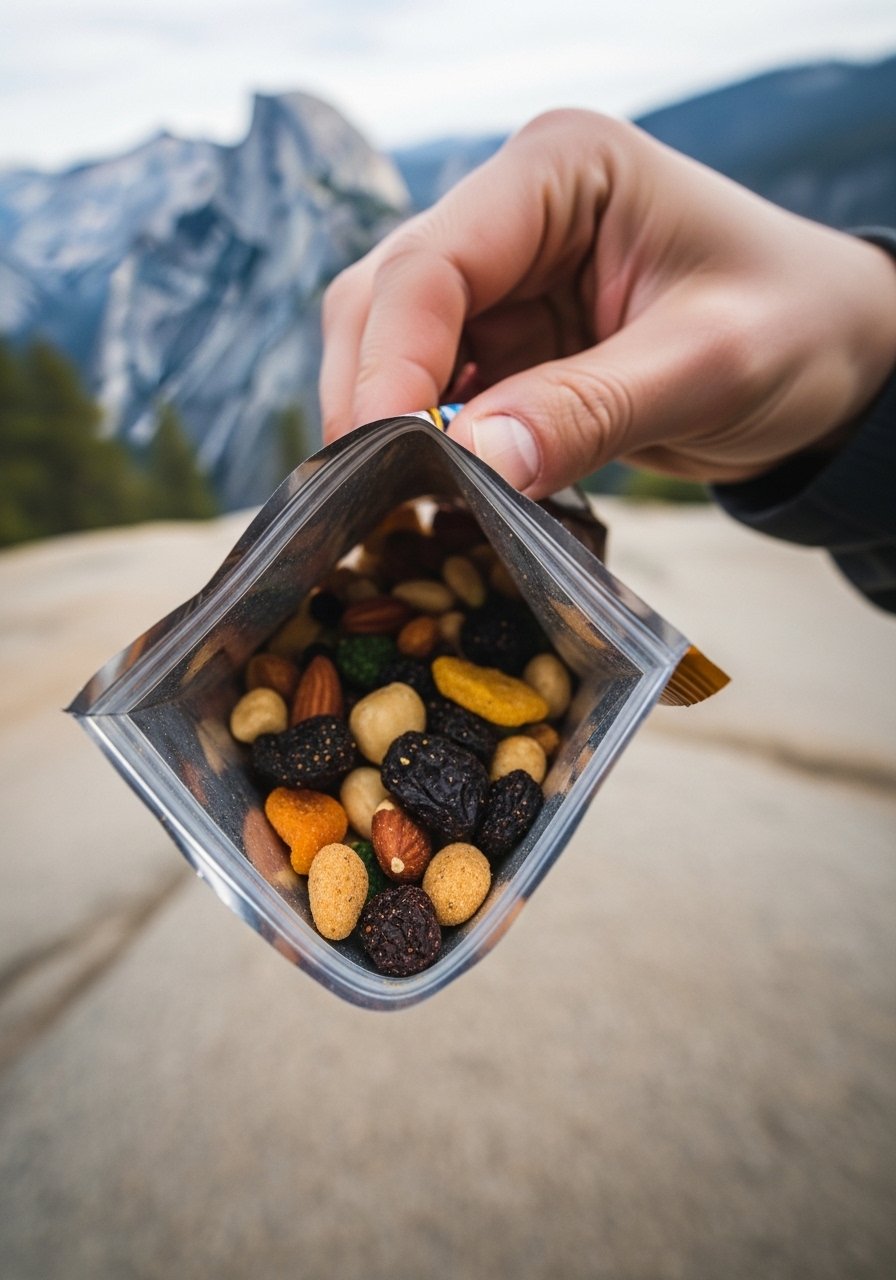
Sugar crash from bad bars left me shaky. Nut-based bars, jerky sticks hold up—chewy, no mess on 12-miler. Portions fit ziplock perfect.
Eat one per hour. Protein keeps steady, not spikes.
Pick low-sugar for gut calm. Test taste pre-trip.
Chocolate melted once in pack—sticky disaster.
What You’ll Need for This Trip
8. Packable Rain Jacket for Sudden Showers
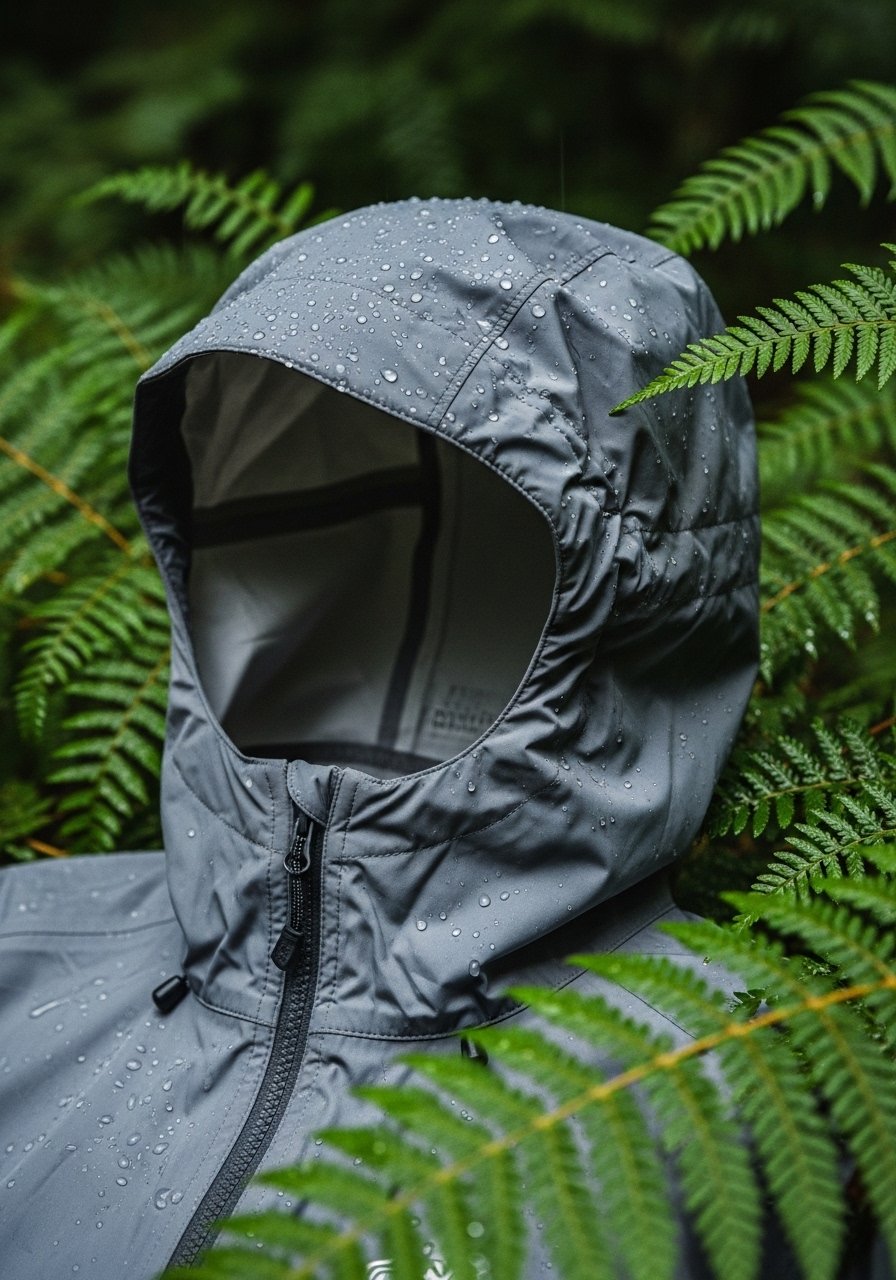
Soaked through cotton on surprise rain—chilled quick. Packable shell stuffs to fist-size, taped seams block wind too. Dries fast post-storm.
Pockets for wet gloves. Pit zips vent heat.
Layer under fleece. Size up for base layer.
What You’ll Need for This Trip
9. Fleece Mid-Layer for Variable Trail Temps
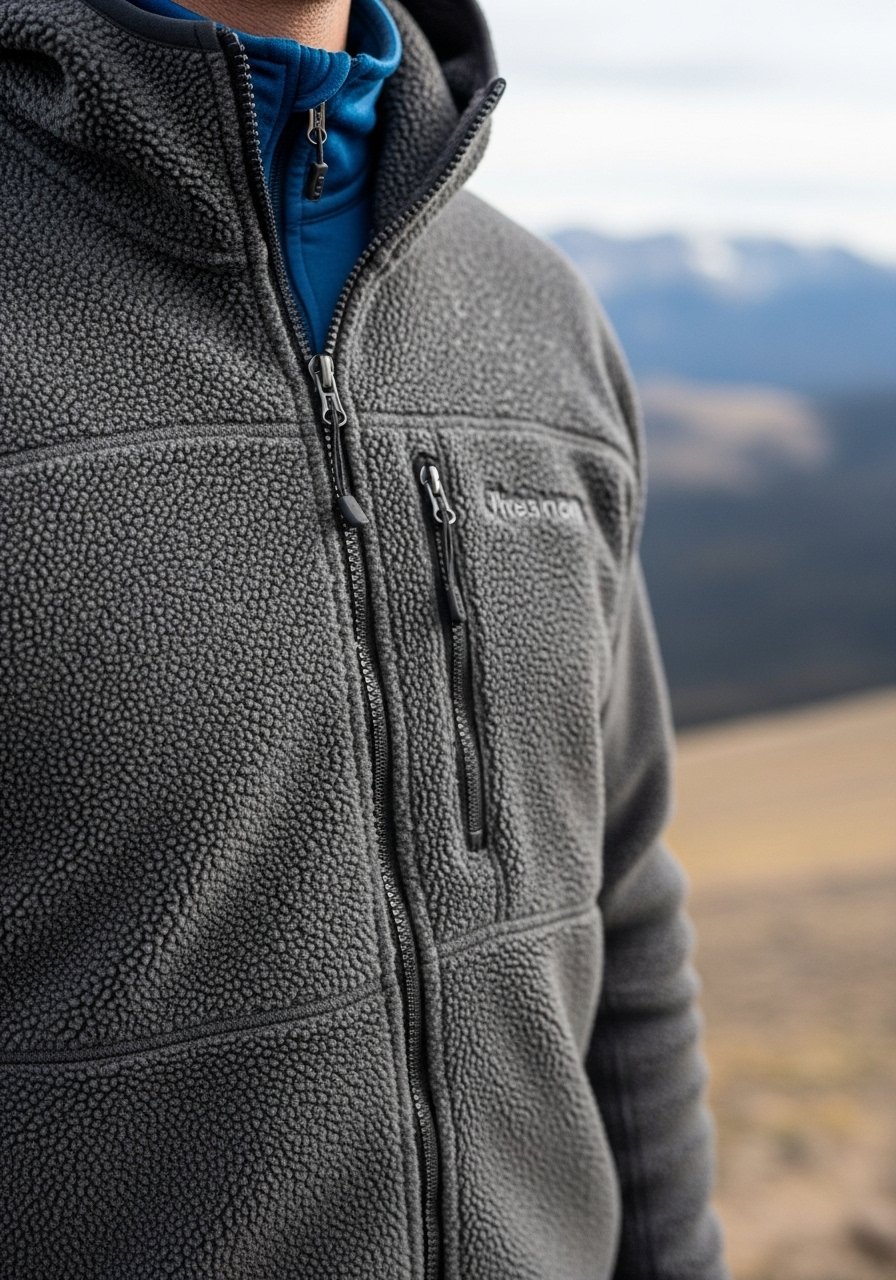
Froze at summit without mid-layer—shivered descent. Lightweight fleece traps heat, wicks sweat on ups. Zips for vent control.
Rolls small in pack. Thumb loops under jacket.
Match weight to climate—100g for mild.
What You’ll Need for This Trip
10. Wide-Brim Sun Hat to Block Glare All Day
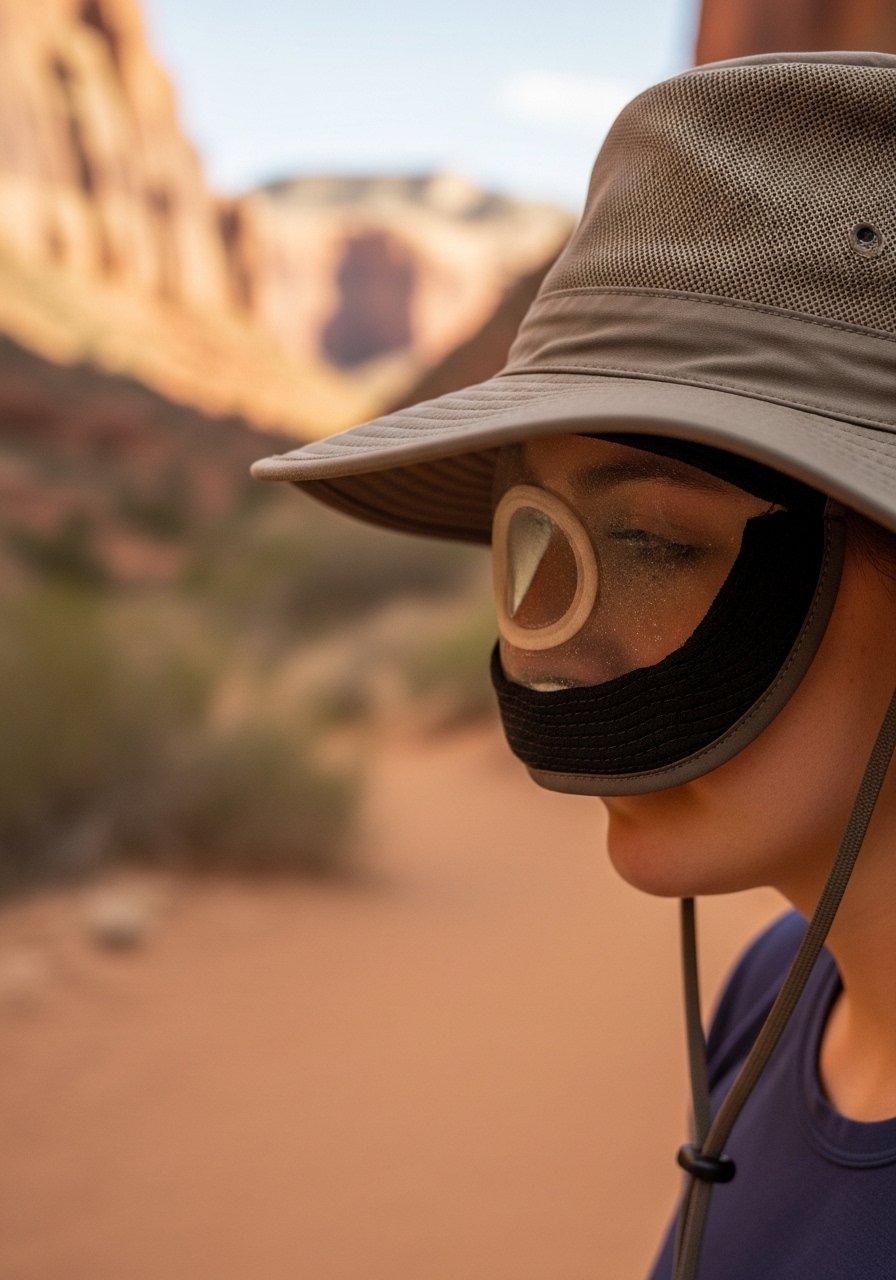
Squinted all day, burned neck without hat. UPF50 brim shades eyes, neck flap optional. Mesh vents cool head.
Chin strap holds in gusts. Packs flat-ish.
Adjust sweatband fit. Wash post-trip.
Forgot strap once, lost hat to wind.
What You’ll Need for This Trip
11. Quick-Dry Sunscreen for Reapplication Sweat-Free
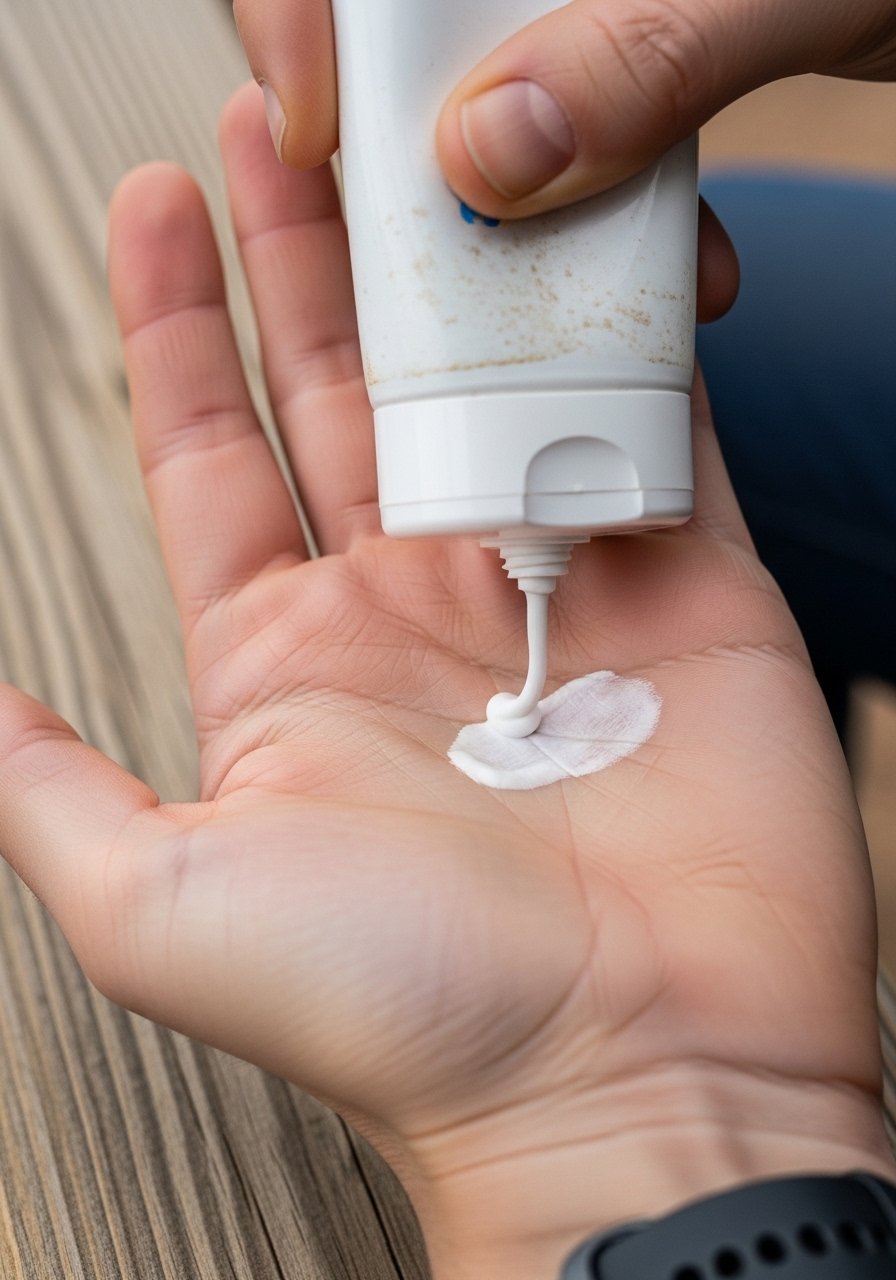
Burned shoulders from greasy lotion washing off. Mineral stick glides, no white cast, SPF50 lasts hours sweating.
Small tube fits pocket. Reef-safe for streams.
Reapply neck, ears. Lip balm too.
What You’ll Need for This Trip
12. Adjustable Trekking Poles for Knee-Safe Descents
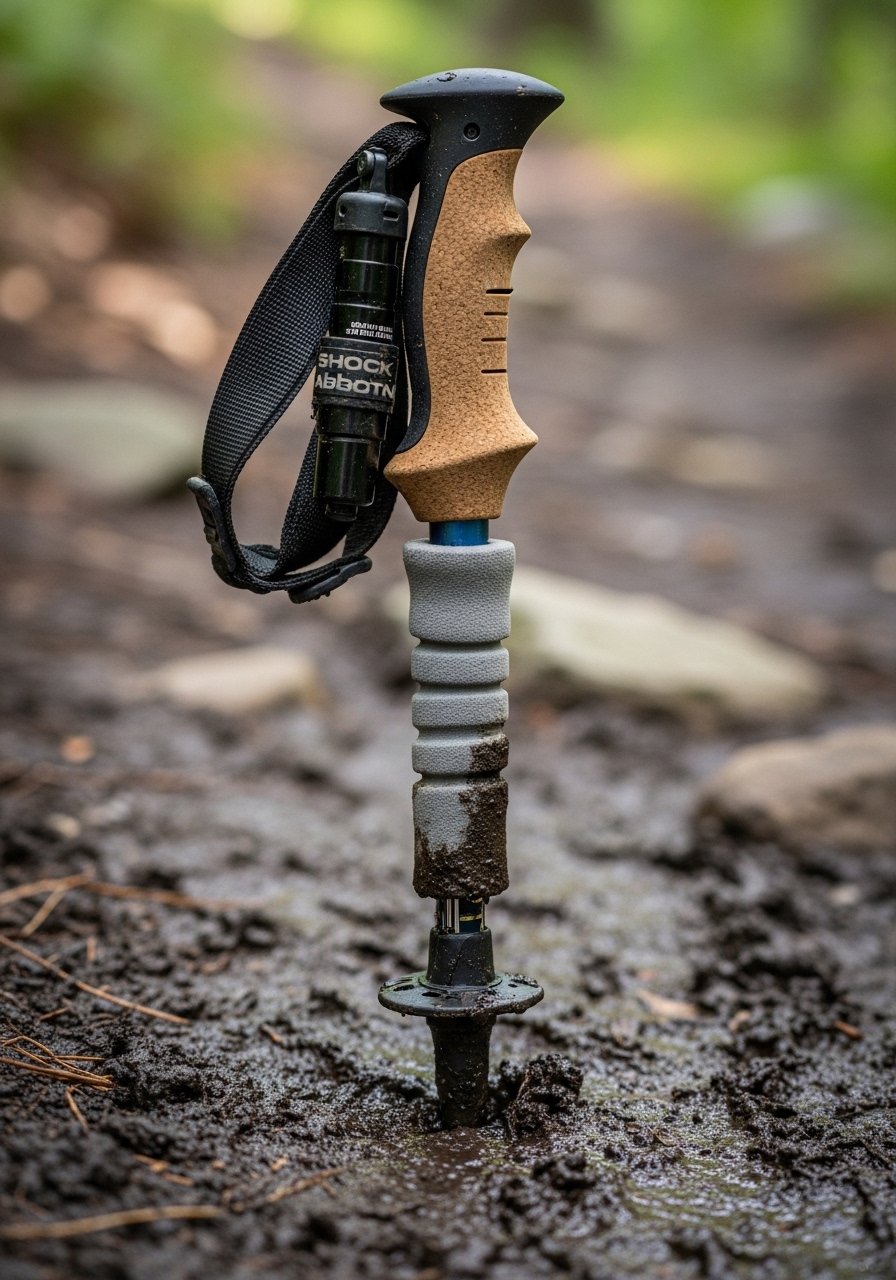
Knees ached post-steep drop—no poles. Collapsible ones take 25% load, four points stable on roots.
Cork grips mold to hand. Quick locks adjust height.
Shorten for ups, lengthen downs. Baskets for snow/mud.
Slipped adjusting once—practice flat ground.
What You’ll Need for This Trip
13. Loud Whistle for Emergency Signals
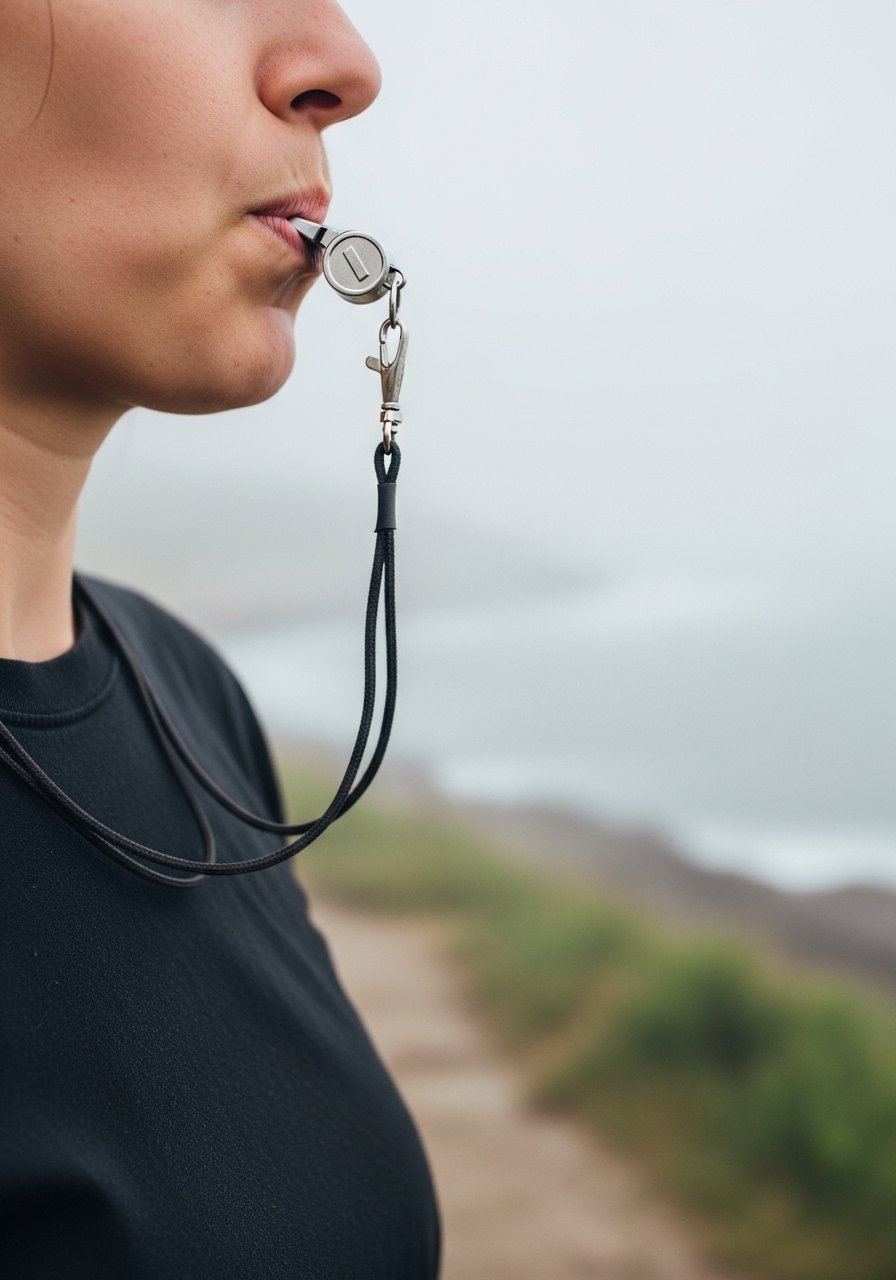
Yelled hoarse once, no one heard. Pea-less whistle blasts 100db, three shorts for help.
Clips to pack sternum. Lightweight plastic.
Practice blasts—lips wet helps. Backpack too.
What You’ll Need for This Trip
14. DEET-Free Insect Repellent for Buggy Trails
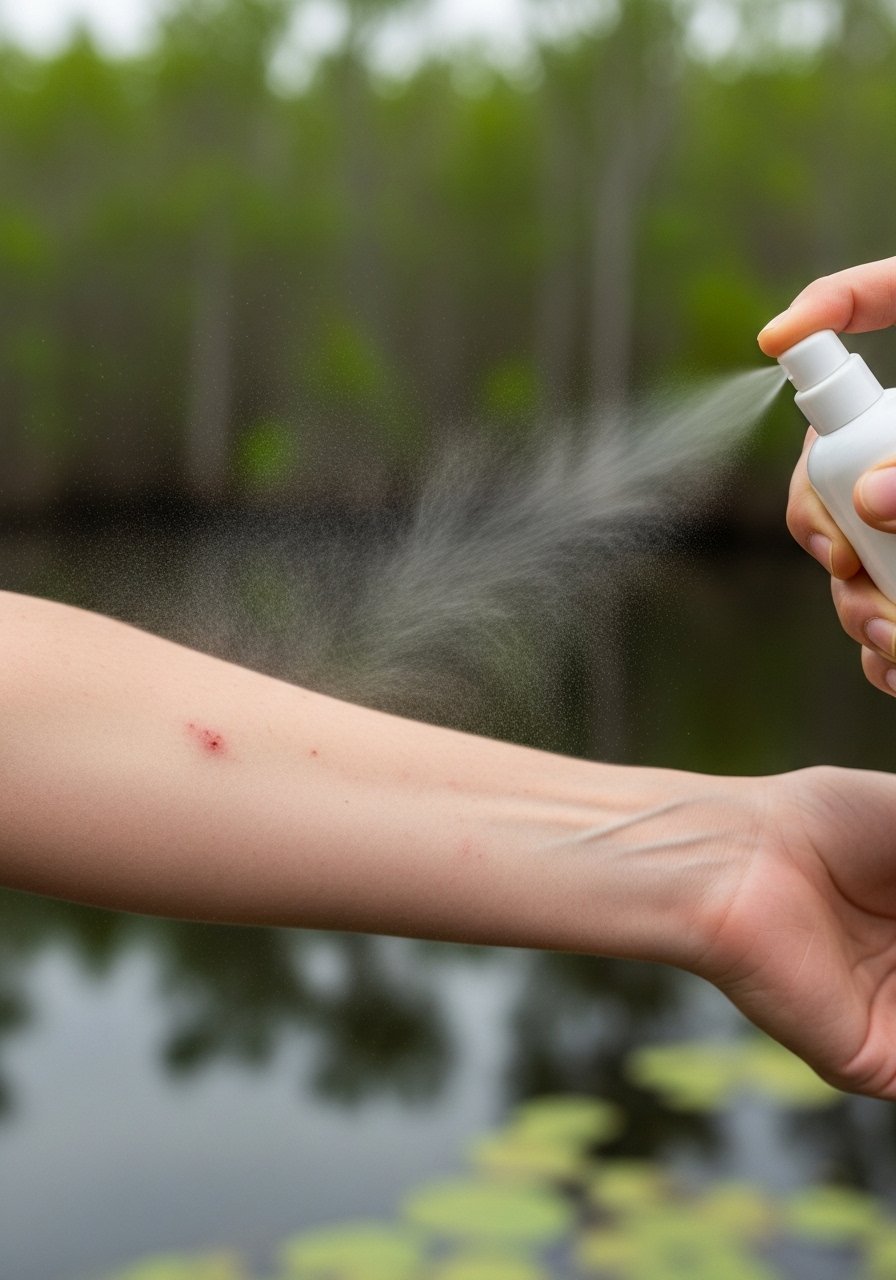
Swatted mosquitoes nonstop—welts everywhere. Picaridin spray repels 8 hours, no oily feel.
Pump lasts season. Face-safe.
Reapply after sweat. Tuck pants socks.
What You’ll Need for This Trip
15. Extra Merino Wool Socks for Wet Feet Rescue
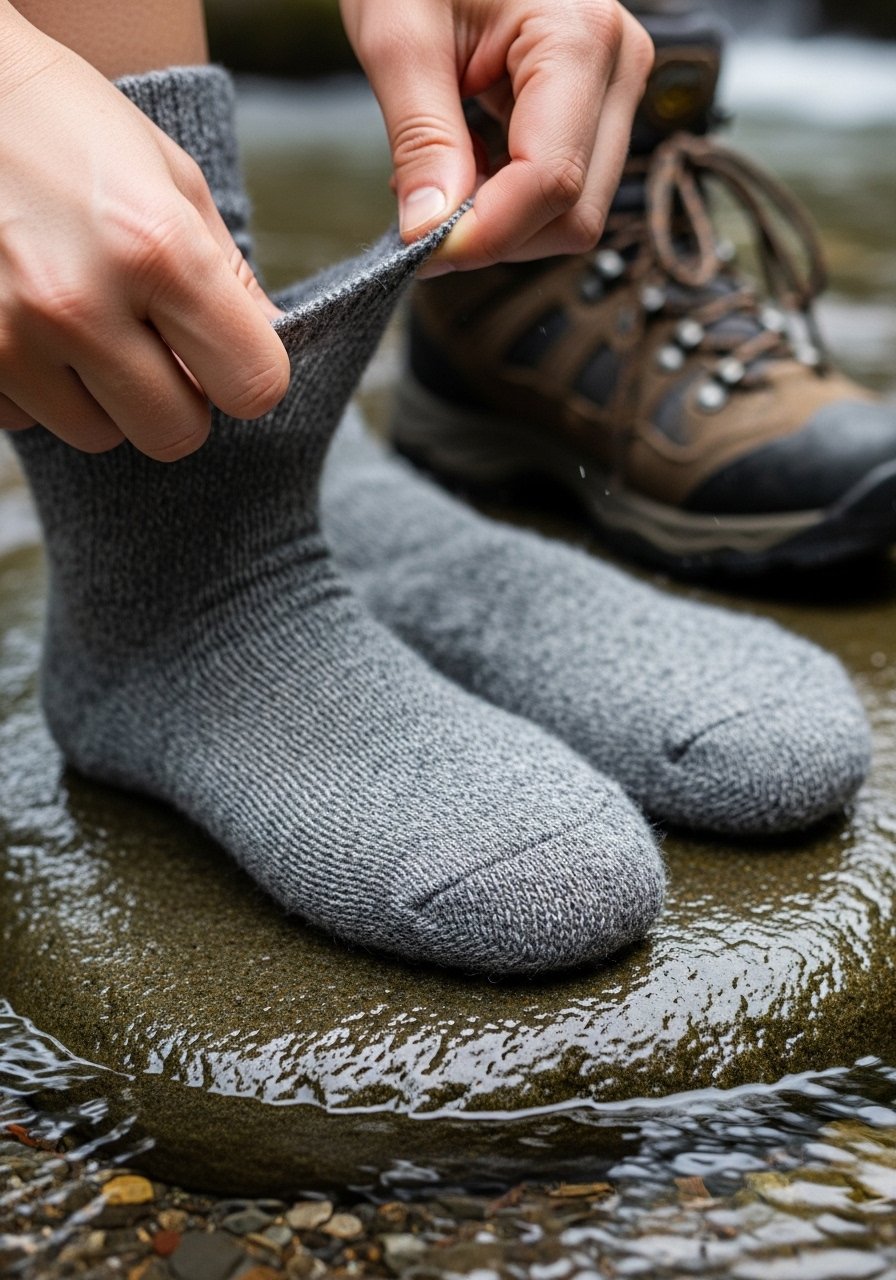
One pair soaked—blisters inevitable. Spare wool dries fast, no stink even Day 2.
Thin pair packs tiny. Rotate if multi-day.
Wool over cotton always. Dry used pair on pack.
Packed cotton once—ruined hike.
What You’ll Need for This Trip
16. Versatile Bandana for Sweat, Sun, or Strain
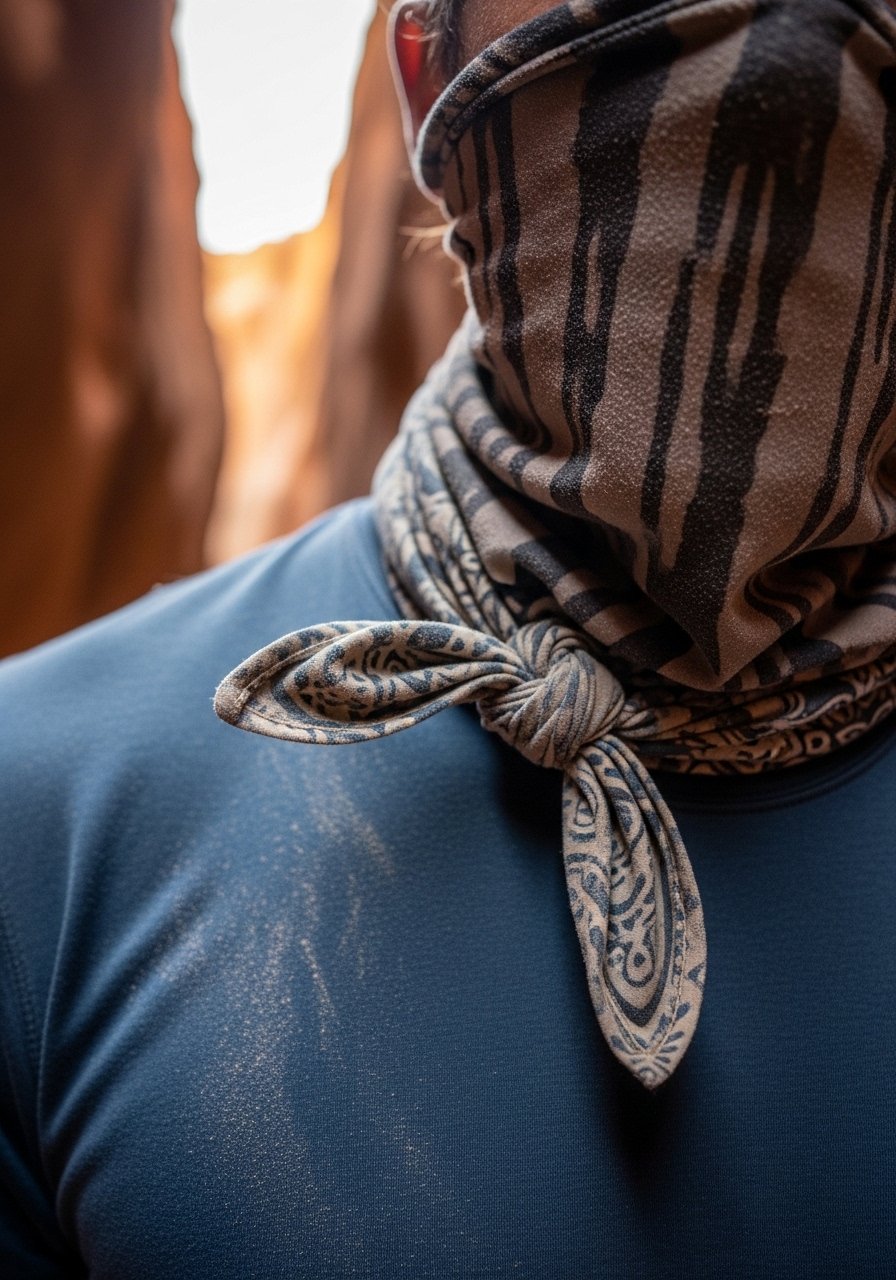
Forgot neck cover—sunburn city. Bandana wets for cooling, buffs sweat, strains water if desperate.
Multi-use: hat liner, pot holder. Packs nothing.
UPF versions best. Wash easy.
What You’ll Need for This Trip
17. Lightweight Gloves for Cool Morning Starts
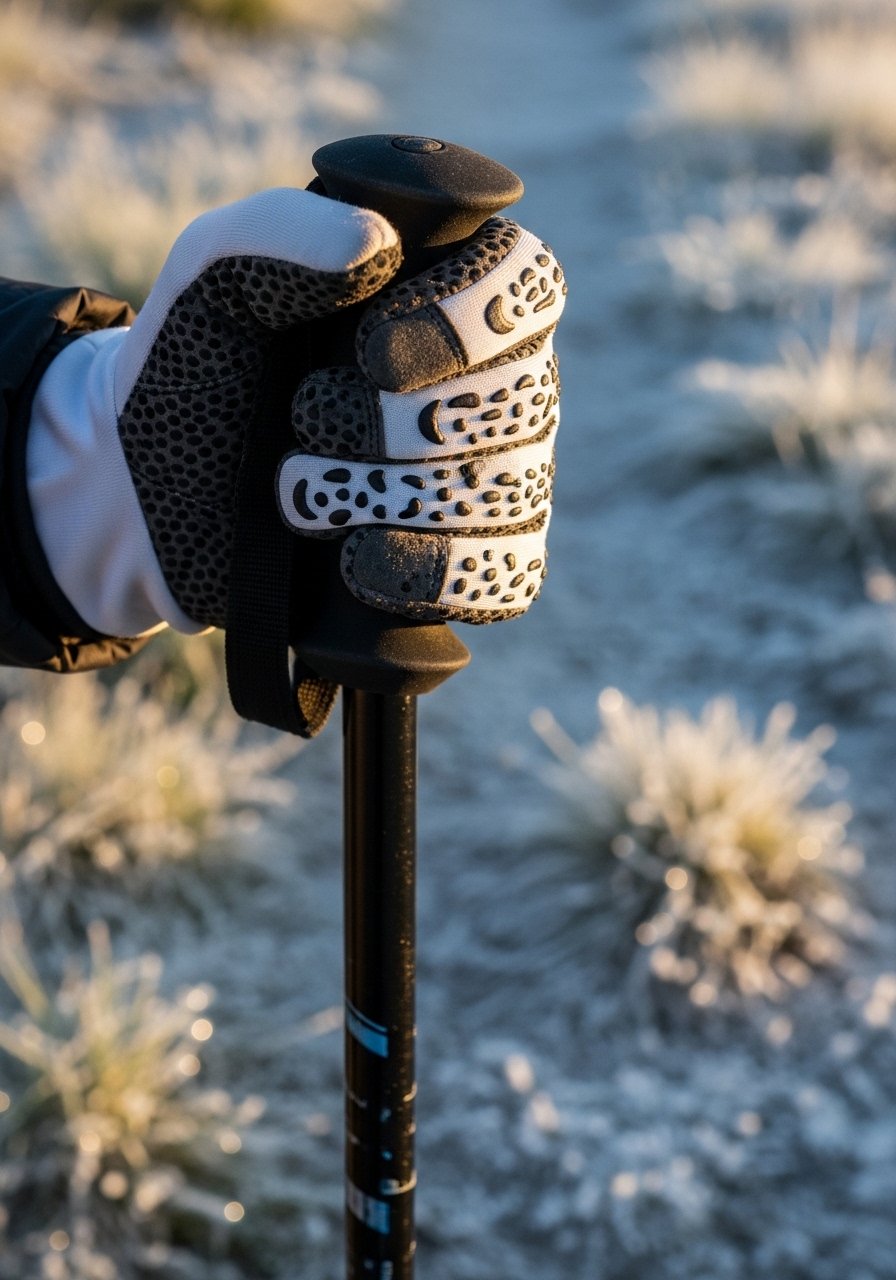
Numb fingers fumbled straps early AM. Touchscreen liner gloves warm just enough, dexterous for map.
Fold small. Touch tips for phone.
Layer if colder. Dry quick.
What You’ll Need for This Trip
18. Emergency Bivvy Sack for Overnight Strands
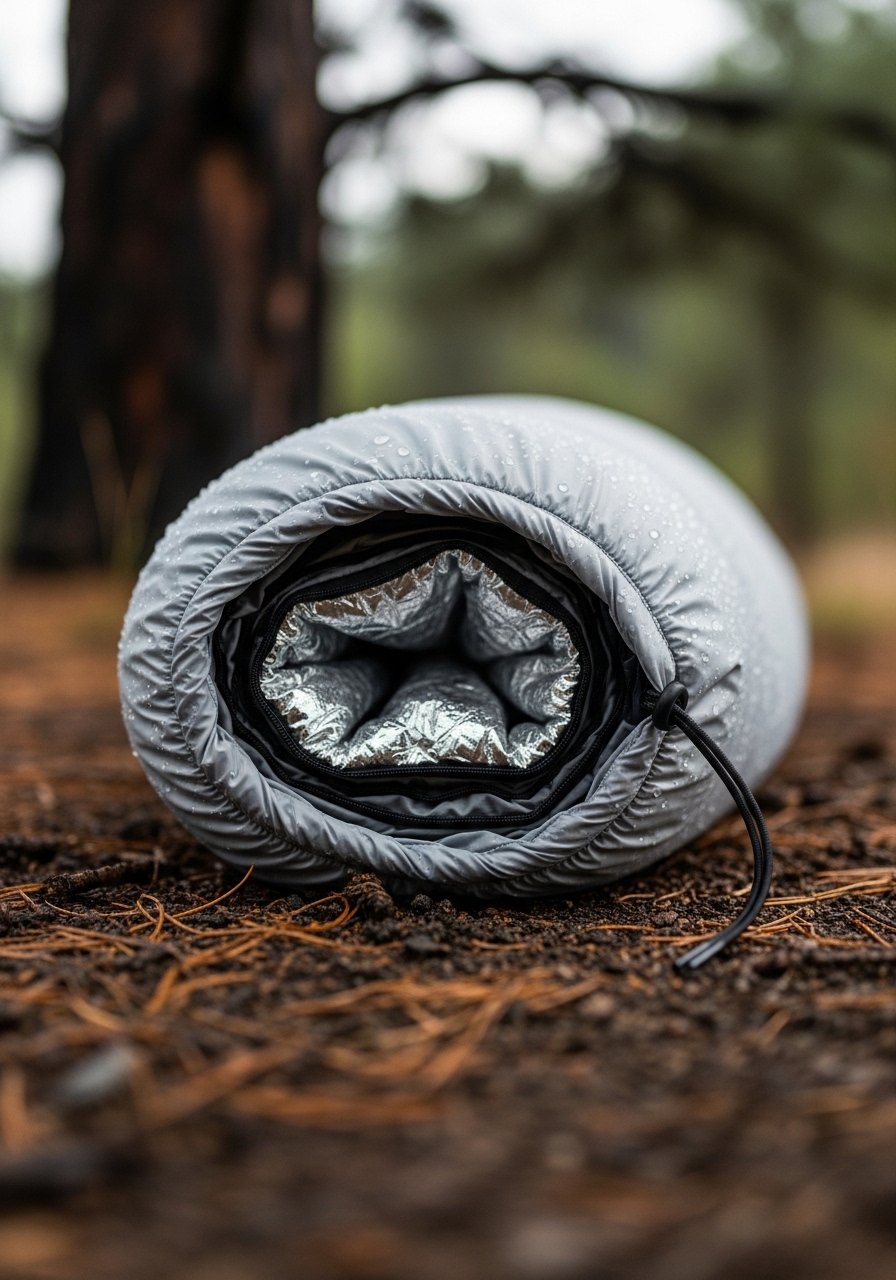
Storm trapped me late—wet sleep no thanks. Bivvy reflects 90% body heat, windproof tiny pack.
Ripstop holds up. Practice pitch.
Hope not needed, but peace.
What You’ll Need for This Trip
19. Portable Phone Charger for Maps and Calls
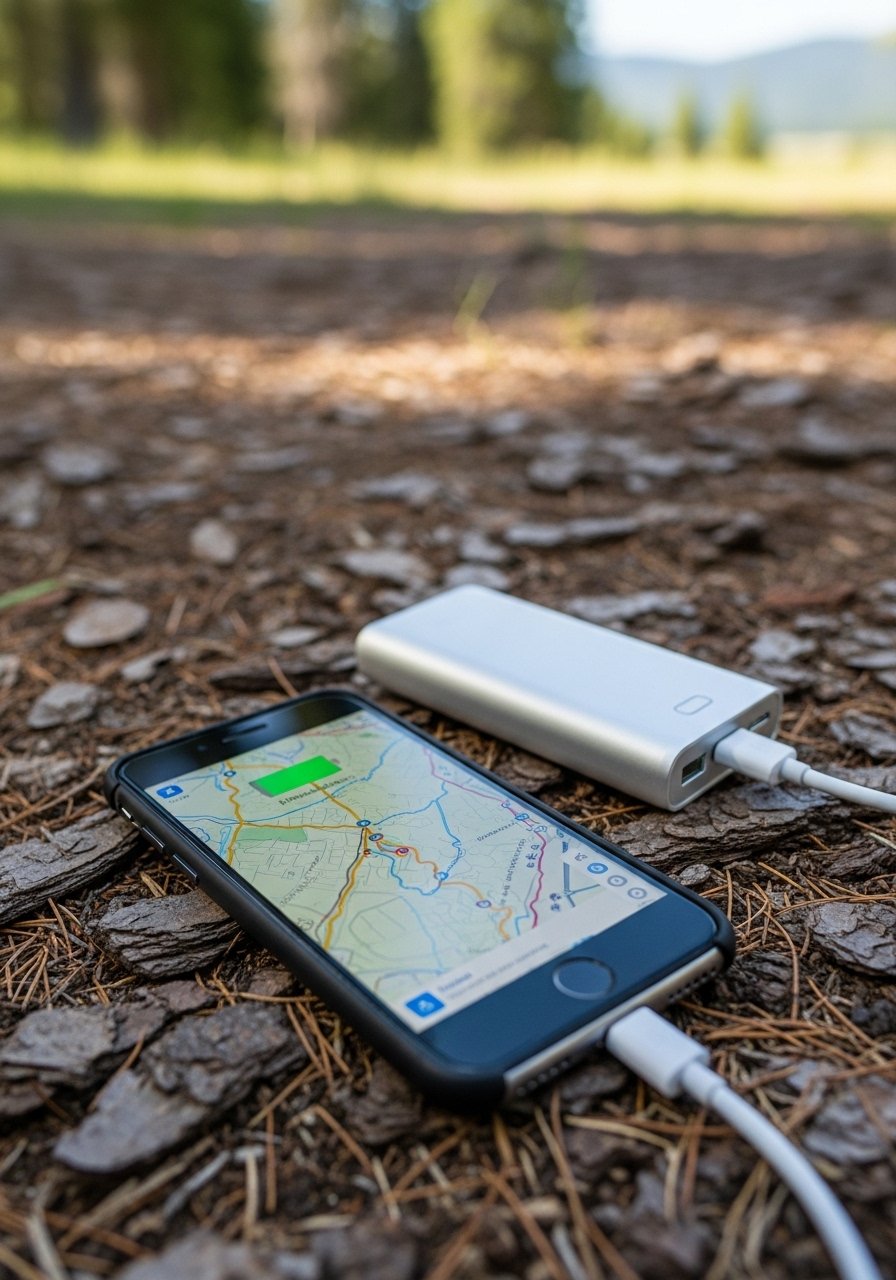
Phone died navigating—lost hour. 10,000mAh bank full-charges twice, solar option bonus.
Packs flat. Waterproof case.
Charge nightly. Offline maps first.
Ran out once, backtracked far.
What You’ll Need for This Trip
20. Base Layer Shirt for All-Season Wicking
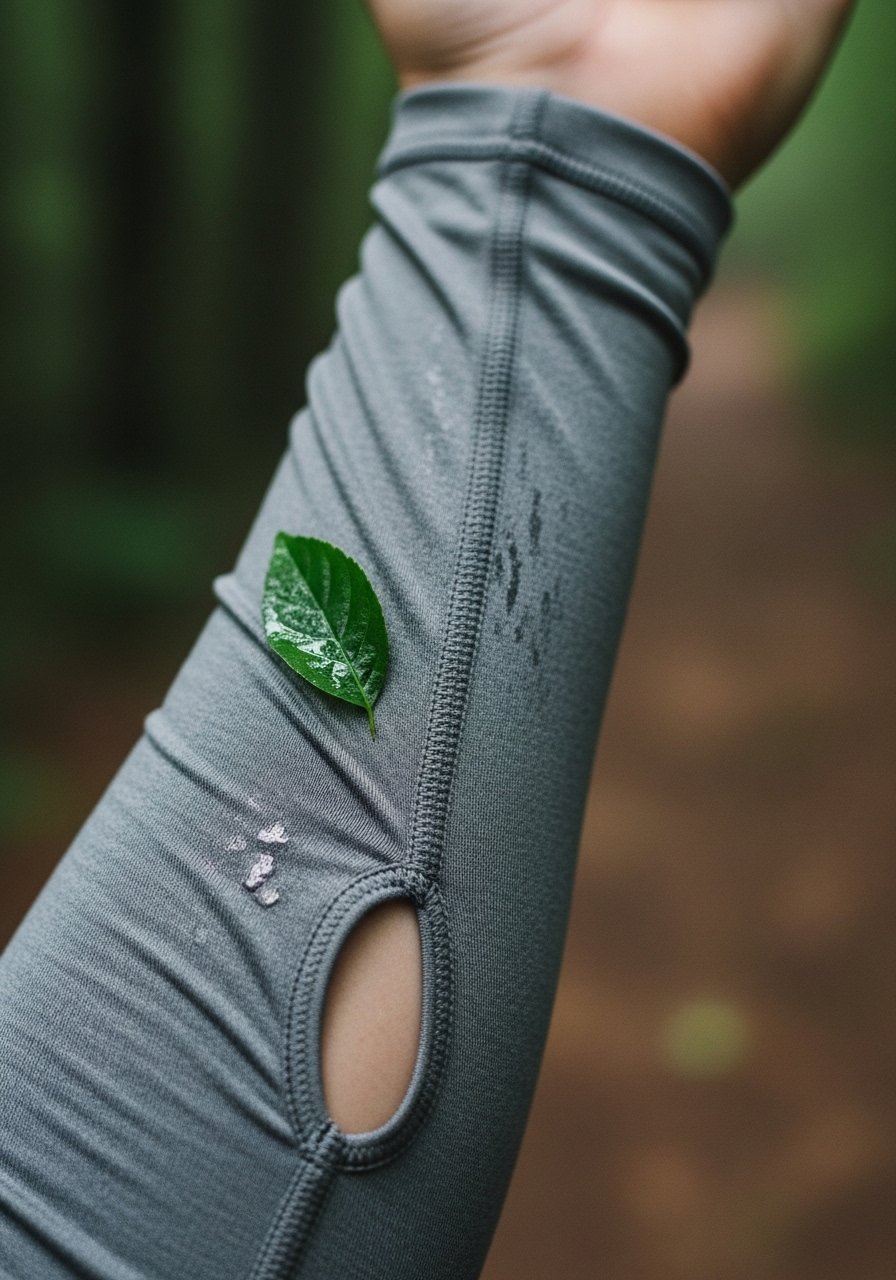
Cotton tee chafed wet—miserable. Merino base pulls sweat fast, odor-free days later.
Flat seams no rub. Thumb holes optional.
Layer up/down easy. Dark colors hide dirt.
What You’ll Need for This Trip
21. Backup Compass for Signal-Dead Navigation
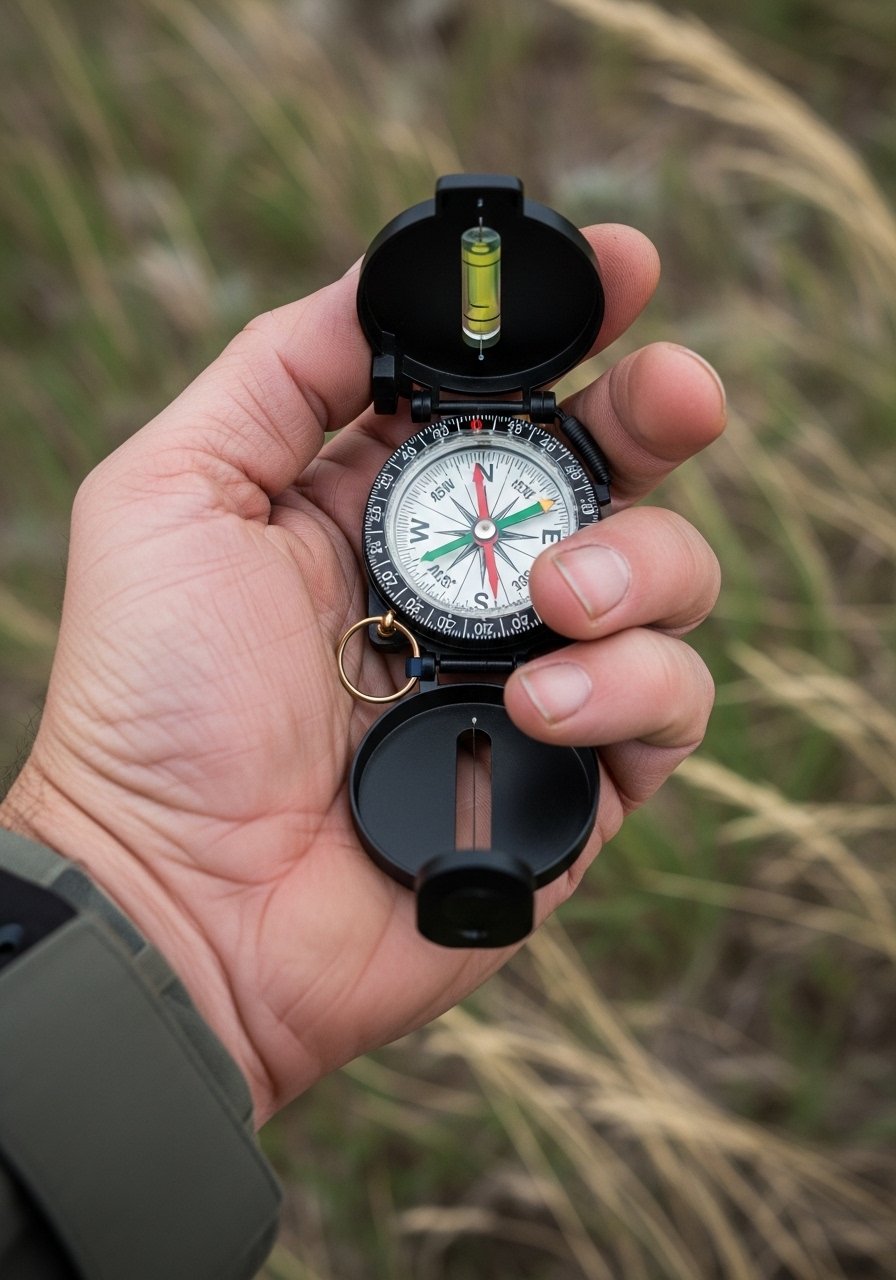
App failed no signal—circled lost. Liquid-filled compass simple, orienteering bezel plots routes.
Neck lanyard. Declination adjust.
Learn basics home—north first. Map pair.
What You’ll Need for This Trip
Final Thoughts
Start with 5-6 of these—they stack simple. I've botched hikes without them, but basics build confidence fast. You'll notice trails feel friendlier, steps surer. Grab one today, test local. You've got this.