I once bushwhacked off-trail in the Olympics because my phone died. Panic set in as shadows lengthened.
That day, I swore off relying on tech alone.
These essentials pulled me out of jams like that.
Simple gear that works when plans go sideways.
10 Best Essentials for Hiking You Should Carry
These 10 essentials for hiking come from trails I've actually walked—rain-soaked paths in Washington, dusty scrambles in Utah. I've forgotten a few, paid the price, and now pack smart. Here's exactly what to carry for safe, comfortable days out. Ten items, no more, no less.
1. Waterproof Map and Compass for Foggy Detours
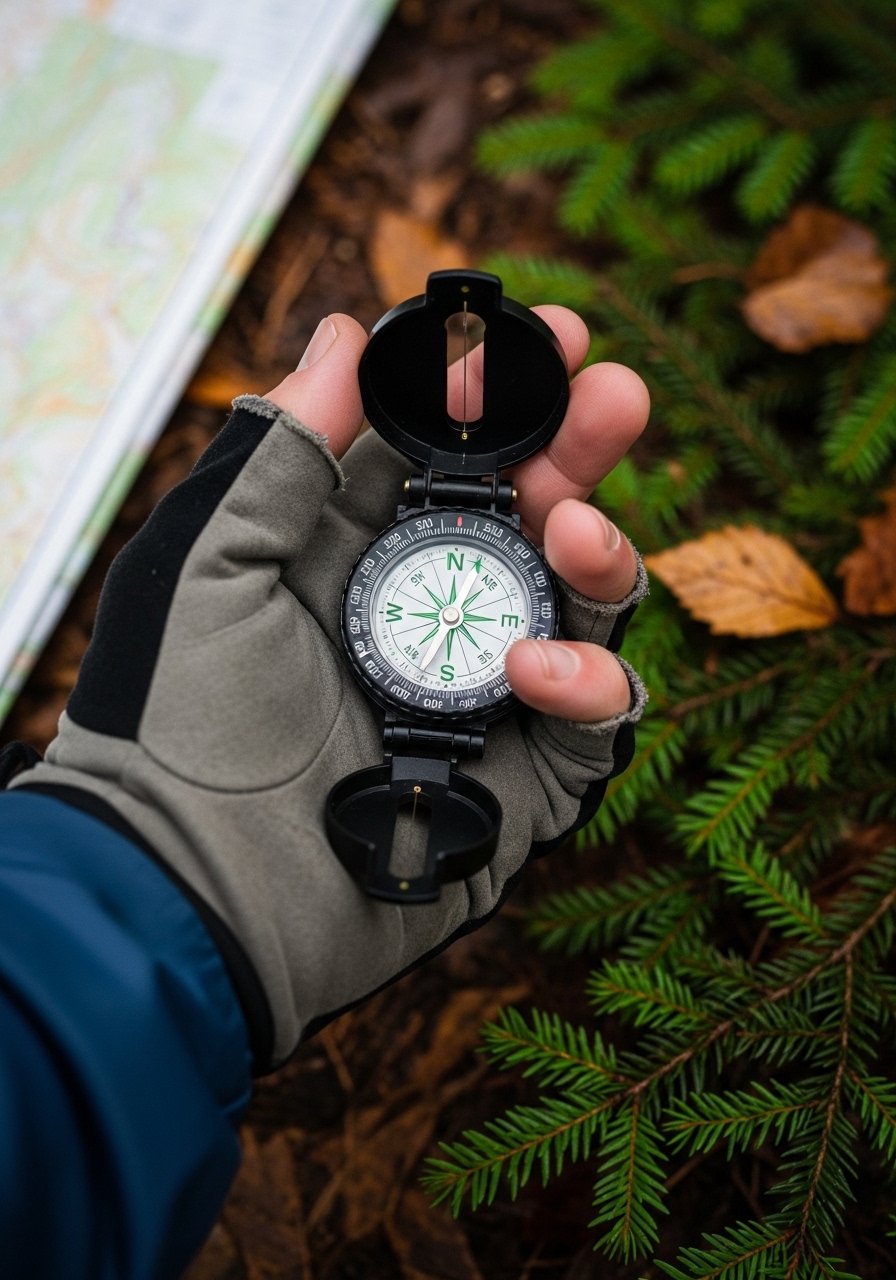
I grabbed a paper map and compass after getting lost in coastal fog near Olympic National Park. Phone GPS failed fast—no signal. The compass kept me on bearing while the map showed contours I could feel under my fingers.
It changed everything. No more circling ridges blindly.
I fold the map into a clear vinyl pouch now; it stays dry through downpours.
One tip: practice plotting bearings at home. Saved my group once when we veered off 2 miles.
What You’ll Need for This Trip
–Waterproof topographic map case, 9×12 inch
–Brunton pocket transit compass, hiking size
2. Sun Hat and High-SPF Lip Balm for Exposed Ridges
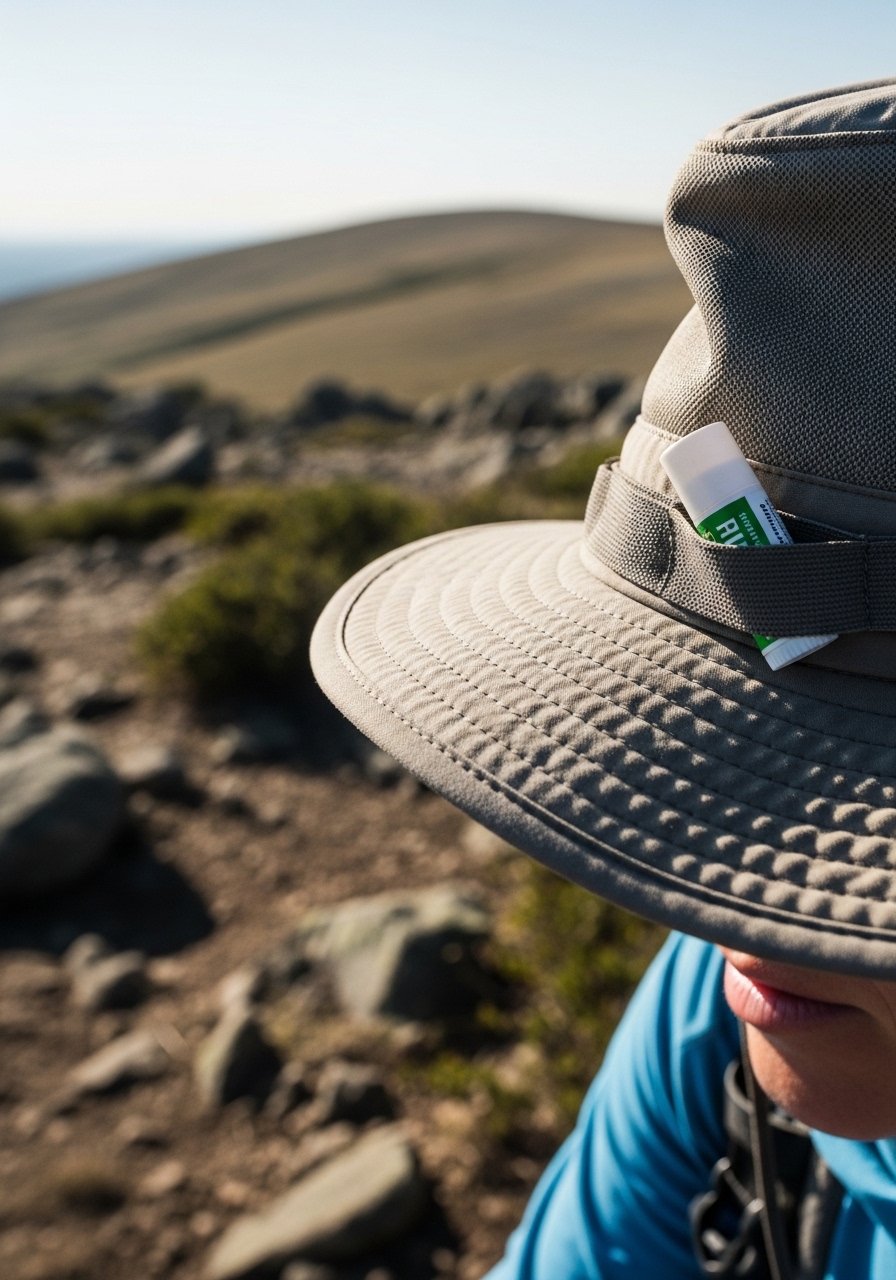
Burned lips cracked open on a high desert hike in Utah—forgot lip protection once. Now I slather on SPF 50 balm every hour, tucked in my hatband. A vented sun hat blocks rays without trapping heat.
Trails feel less punishing; I stay focused, not squinting.
Neck flap versions cover better on windy summits.
Reapply after water breaks—lips heal slow at elevation.
What You’ll Need for This Trip
–Tilley lightweight sun hat, packable UPF 50+
–Neutrogena high-SPF lip balm stick, 70 SPF
3. Packable Fleece Jacket for Sudden Wind Chills
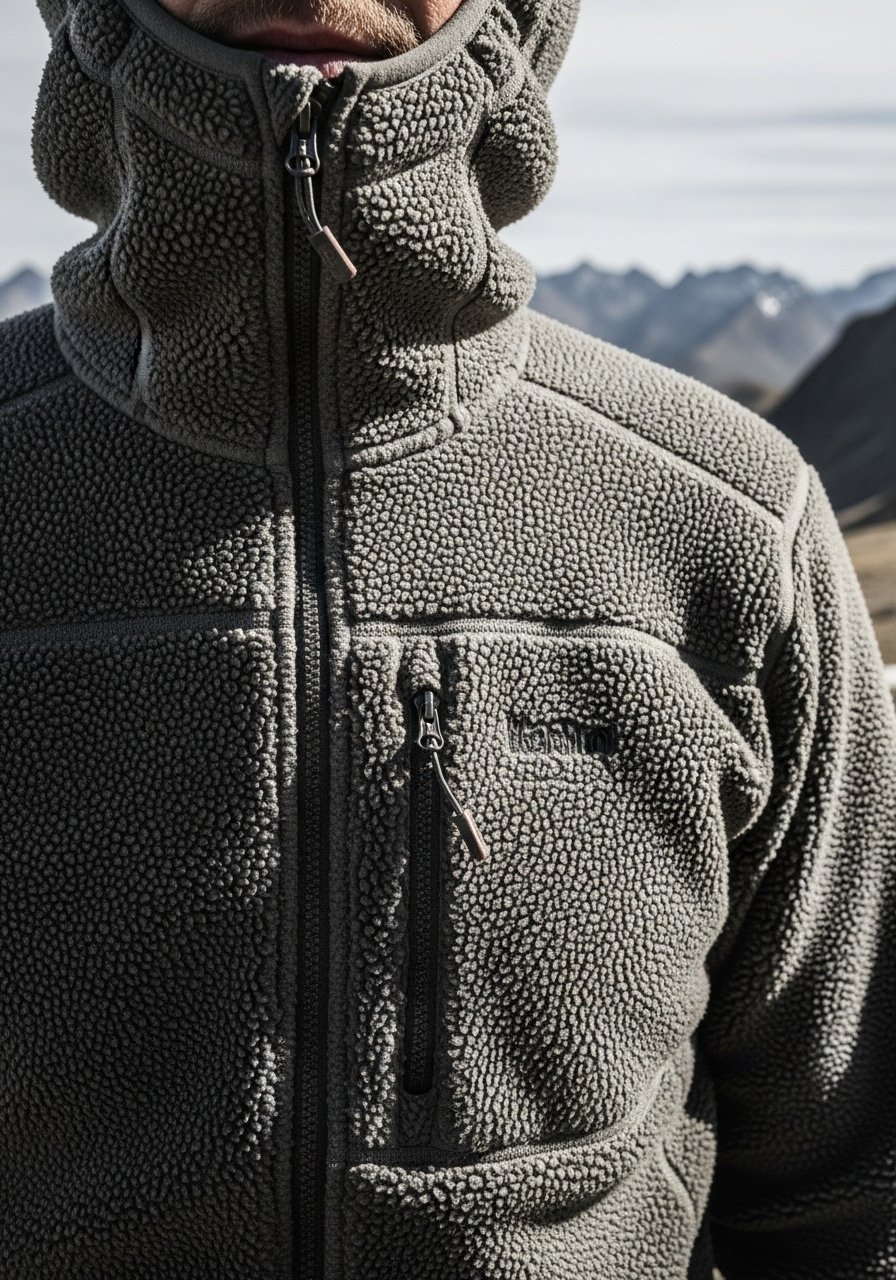
Shivering hit hard descending Rainier foothills—underestimated wind. A midweight fleece stuffs into its pocket, weighs nothing. Layers over base shirt trap heat without bulk.
Body temp stabilizes fast; hikes extend comfortably.
I pick ones with thumb loops for glove layering.
Dry it out on warm rocks if damp—better than wet cotton.
What You’ll Need for This Trip
–Patagonia packable fleece jacket, midweight 100
–Windproof gloves, lightweight merino blend
4. Headlamp with Red Light Mode for Twilight Returns
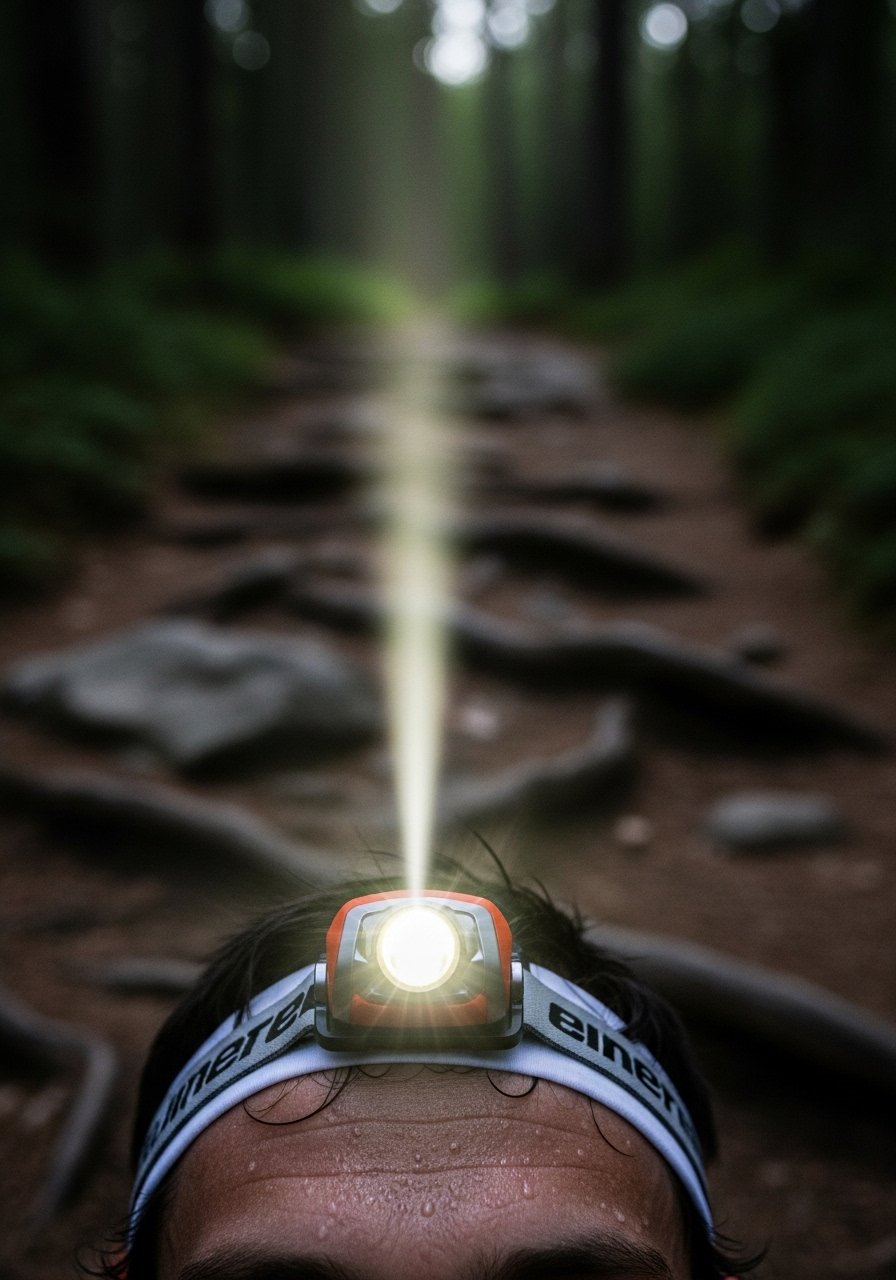
Twilight caught me 3 miles out in the Enchantments—headlamp saved the scramble down. Red mode preserves night vision, doesn't spook wildlife. Lithium batteries last 50 hours.
No fumbling hands-free; read maps easy.
Test fit before trails; sweat loosens straps.
Extra bulb in kit prevented a real stranding.
What You’ll Need for This Trip
–Black Diamond headlamp, 300 lumen rechargeable
–Spare AAA lithium batteries, 8-pack
5. Compact First Aid Kit for Blisters and Scrapes
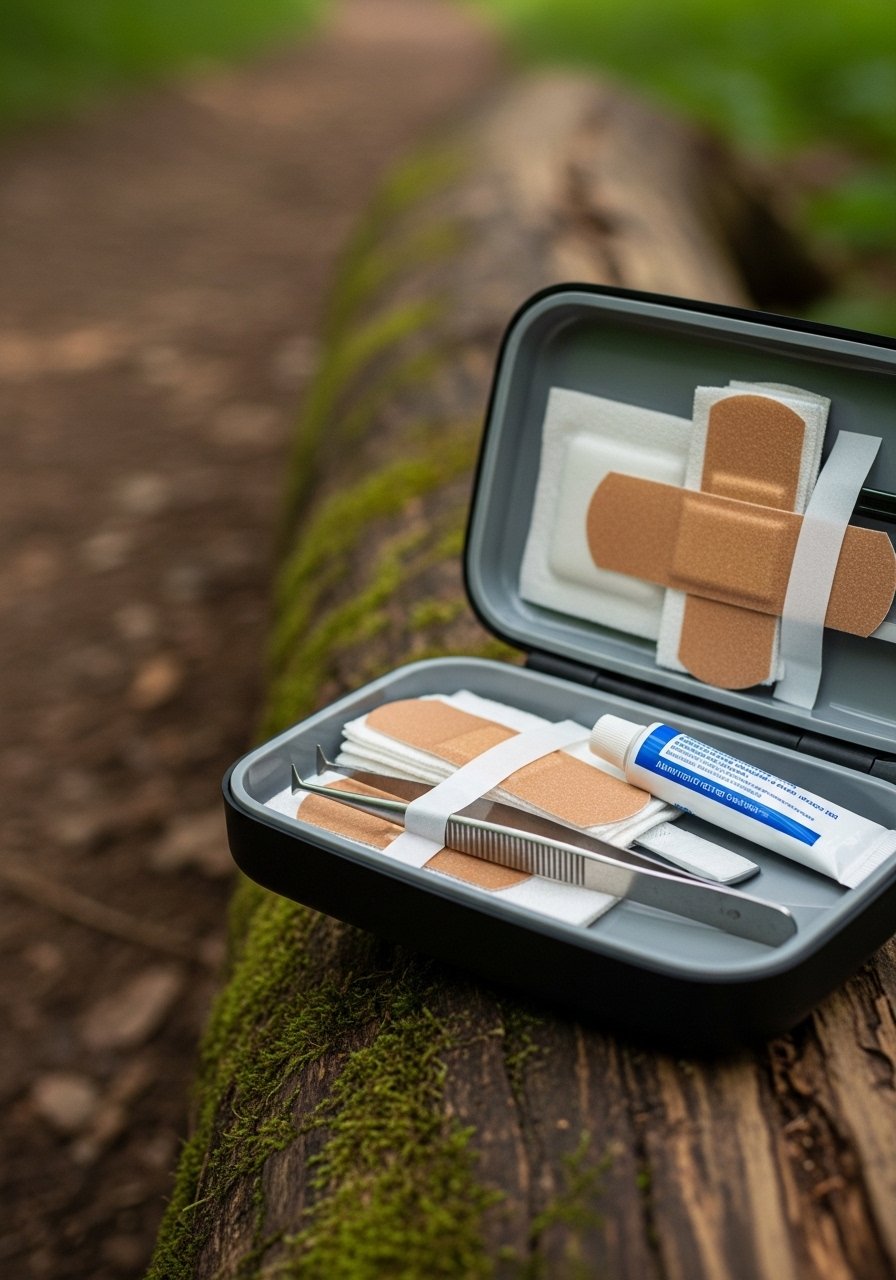
Twisted ankle on loose scree near Yosemite—no kit, limped 5 miles. Now mine has moleskin for blisters, painkillers, tweezers for splinters. Zips into hip pocket.
Quick fixes keep momentum; no early quits.
Add personal meds like allergy tabs.
Restock after every use—dates expire sneaky.
What You’ll Need for This Trip
–Adventure Medical Kits ultralight first aid, 0.5 lb
–Moleskin blister pads, pre-cut sheets
6. Waterproof Matches and Fire Starter for Wet Camps
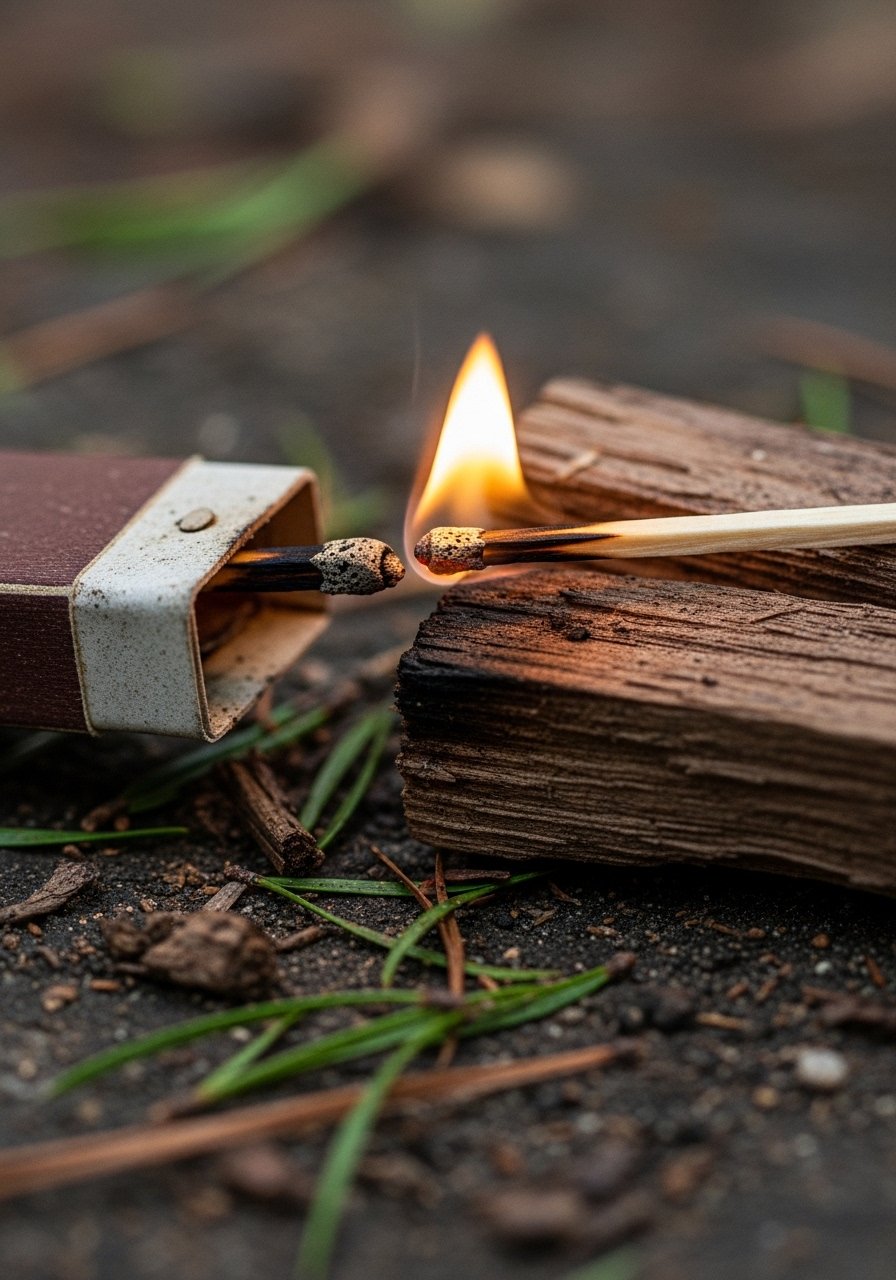
Drizzle soaked everything in the Cascades; ferro rod sparked dry tinder. Windproof matches in a sealed tube light fast. Cotton balls soaked in vaseline ignite wet.
Warmth boosts morale when cold sets in.
Practice strikes at home—fingers shake in chill.
One bad call: left striker home once, froze.
What You’ll Need for This Trip
–UCO waterproof matches, 50 count stormproof
–Ferro rod fire starter, 6 inch with striker
7. Multi-Tool with Pliers for Gear Breakdowns
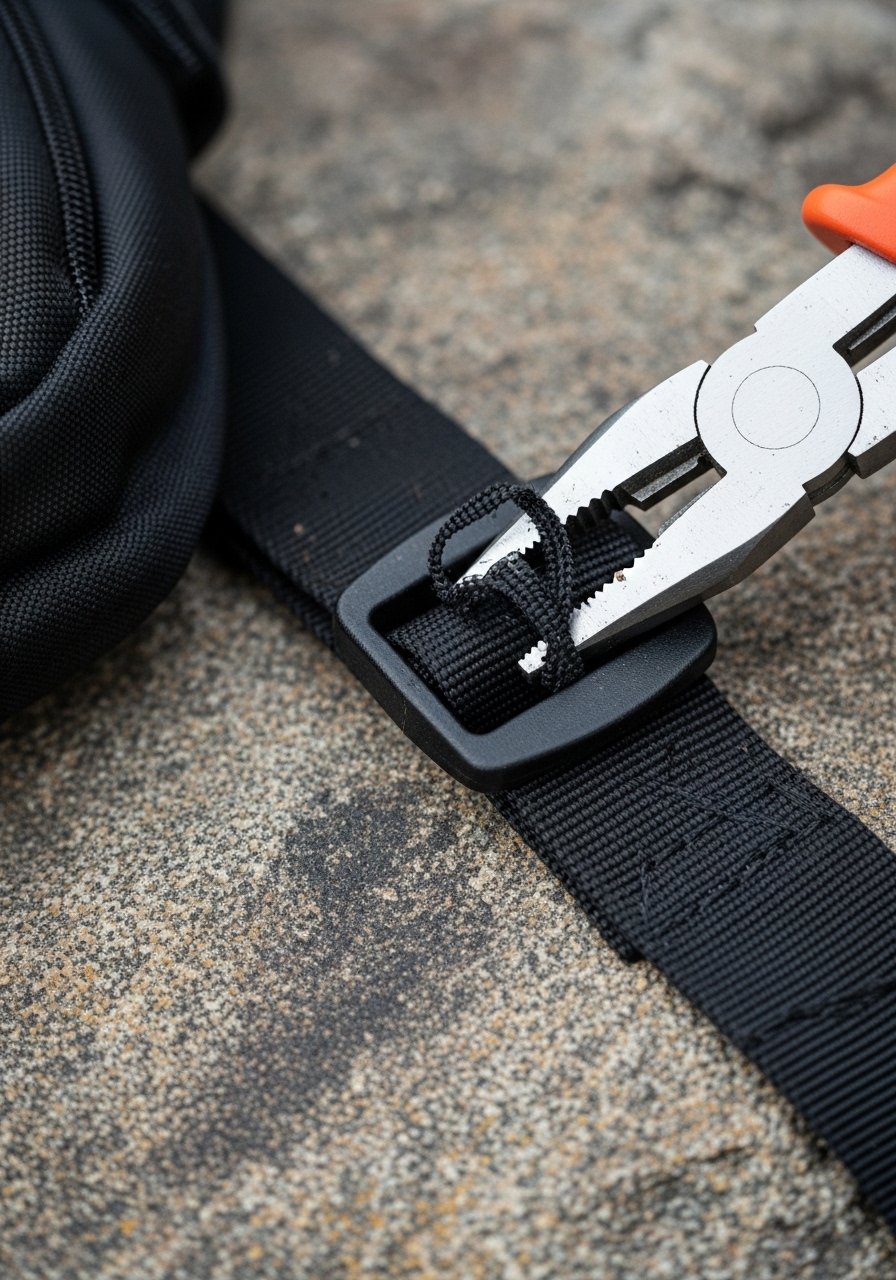
Boot lace snapped mid-hike in Zion—pliers crimped it back. Leatherman-style tool snips, screws, cuts duct tape. Fits belt sheath.
Repairs extend trips; no abandon gear.
Knife edge stays sharp for food prep too.
Overpacked tools once; now one does all.
What You’ll Need for This Trip
–Leatherman Wave multi-tool, stainless steel
–Duct tape mini roll, 2 inch wide repair
8. Energy Gels and Nuts for Mid-Trail Slumps
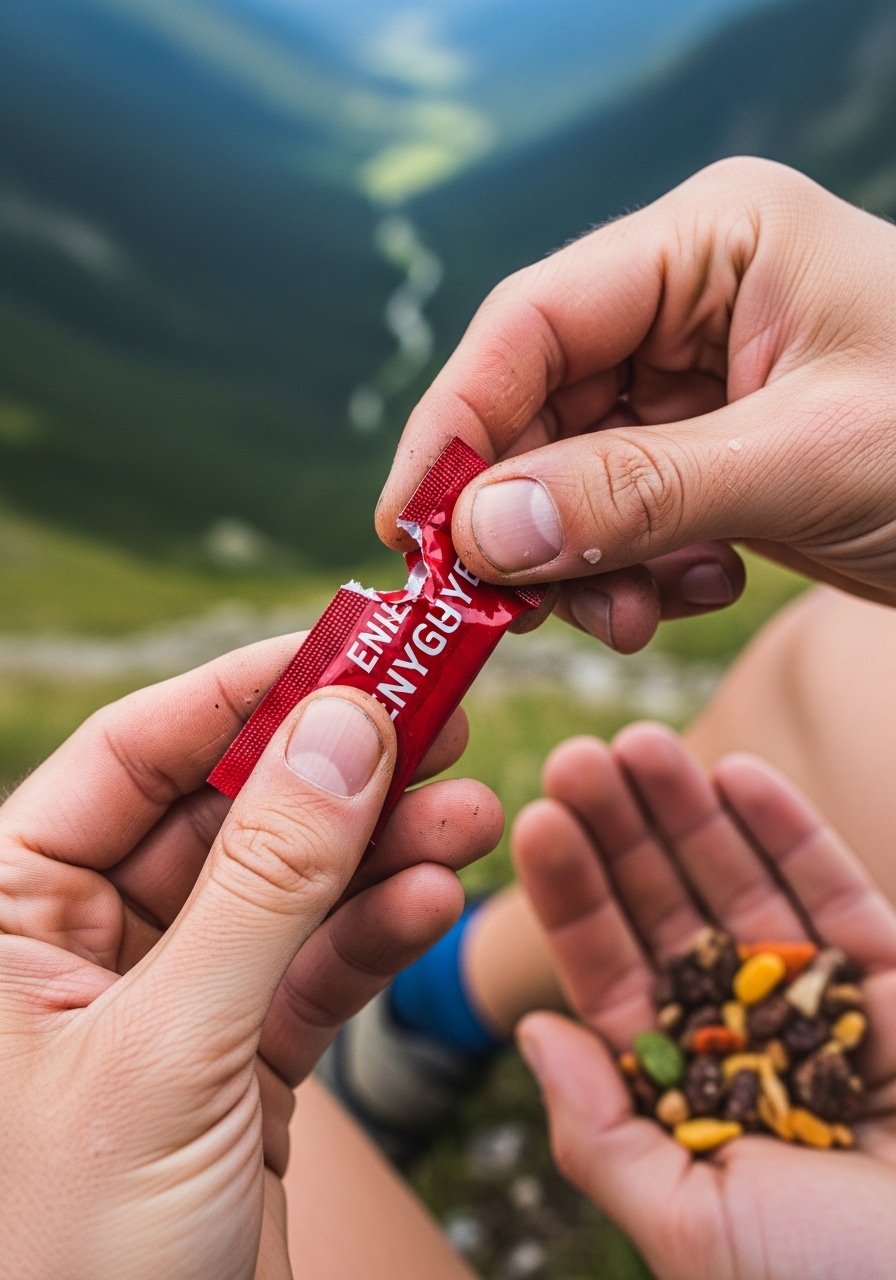
Bonked hard summiting Hood—low sugar crash. Gels pack 100 calories quick; nuts add fats for steady burn. No gut issues.
Legs power up; summits feel reachable.
Rotate flavors to avoid boredom.
Hydrate with each bite—dry mouth sneaks up.
What You’ll Need for This Trip
–GU energy gels variety pack, 24 count
–Trail mix nuts, high-protein 1 lb resealable
9. Insulated Bottle with Straw Filter for Remote Streams
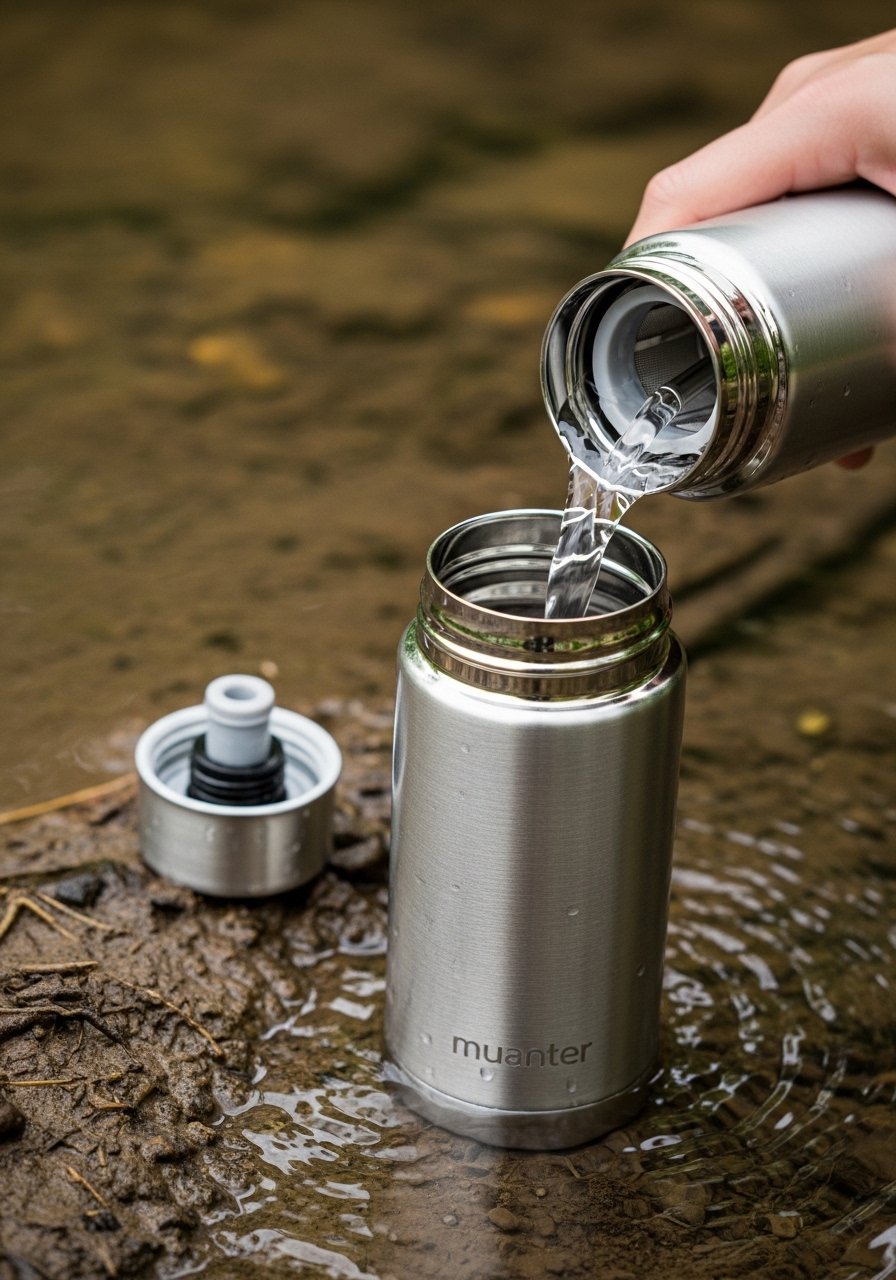
Ran dry on a Utah plateau—filtered stream water on the spot. Double-wall stainless keeps it cold 24 hours; straw purifier kills giardia.
Thirst quenched anywhere; lighter pack.
Backflush filter weekly.
Big mistake: trusted sketchy sources before.
What You’ll Need for This Trip
–LifeStraw Go insulated bottle, 24 oz filter
–Collapsible water carrier, 2L backup
10. Ultralight Bivy Sack for Storm Surprises
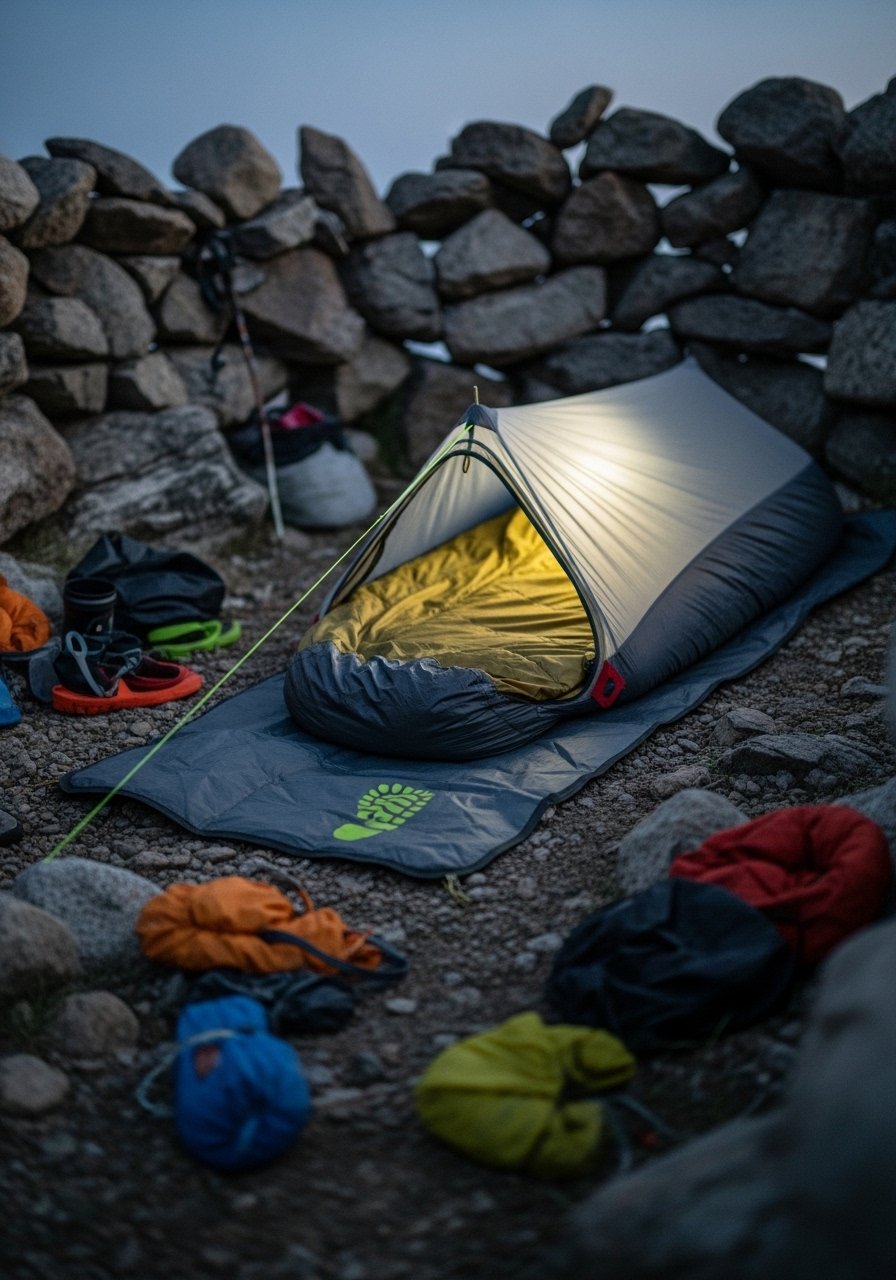
Blizzard pinned me overnight in the Tetons—bivy blocked spindrift. Gore-Tex repels rain, reflects body heat. Packs fist-sized.
Sleep comes uneasy but sheltered.
Pair with foam pad for ground chill.
Test setup in yard first—stakes matter.
What You’ll Need for This Trip
–SOL emergency bivy sack, ultralight reflective
–Therm-a-rest z-lite foam sleeping pad, short
Final Thoughts
Pack these 10 essentials for hiking, and most trails feel manageable. You don't need every gadget—just the basics that work.
I've ditched the extras; lighter means more miles.
Hit the trail confident. You've got this.