I hiked a ridge last fall. My fleece jacket bunched under my pack straps. Arms overheated while my back stayed cold. Layers felt off from the start.
It threw the whole day.
I've fixed that now. You can too.
How to Wear Men’s Fleece Hiking Outfits
This shows you how I layer and adjust a men's fleece hiking outfit for all-day comfort on trails. No bulk, no sweat traps. You'll move easy, stay balanced in changing weather.
What You’ll Need
- Men's moisture-wicking base layer t-shirt, medium, gray
- Midweight fleece pullover hoodie, large, navy
- Fleece-lined hiking pants, 32×32, olive
- Lightweight waterproof shell jacket, medium, black
- Mid-cut hiking boots, size 10, brown leather
- Merino wool hiking socks, large, black
- Fleece beanie, one size, gray
Step 1: Pull on the Base Layer First
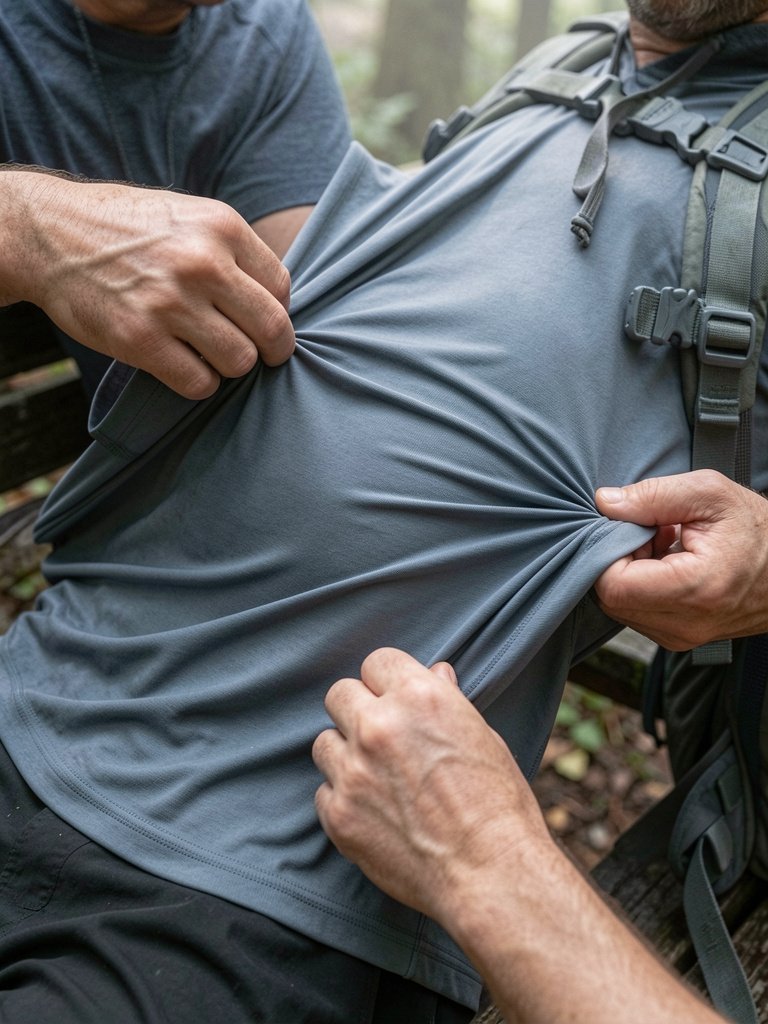
I start with the base layer t-shirt every time. It pulls sweat away before fleece traps it. Why? Fleece alone soaks up moisture, turns clammy fast.
This changes everything—your skin stays dry, fleece breathes right on top.
People miss how a snug-but-not-tight base prevents chafing after hours.
Avoid yanking it over your head with boots on. Sit down, roll it smooth from waist up.
Step 2: Add the Fleece Pullover
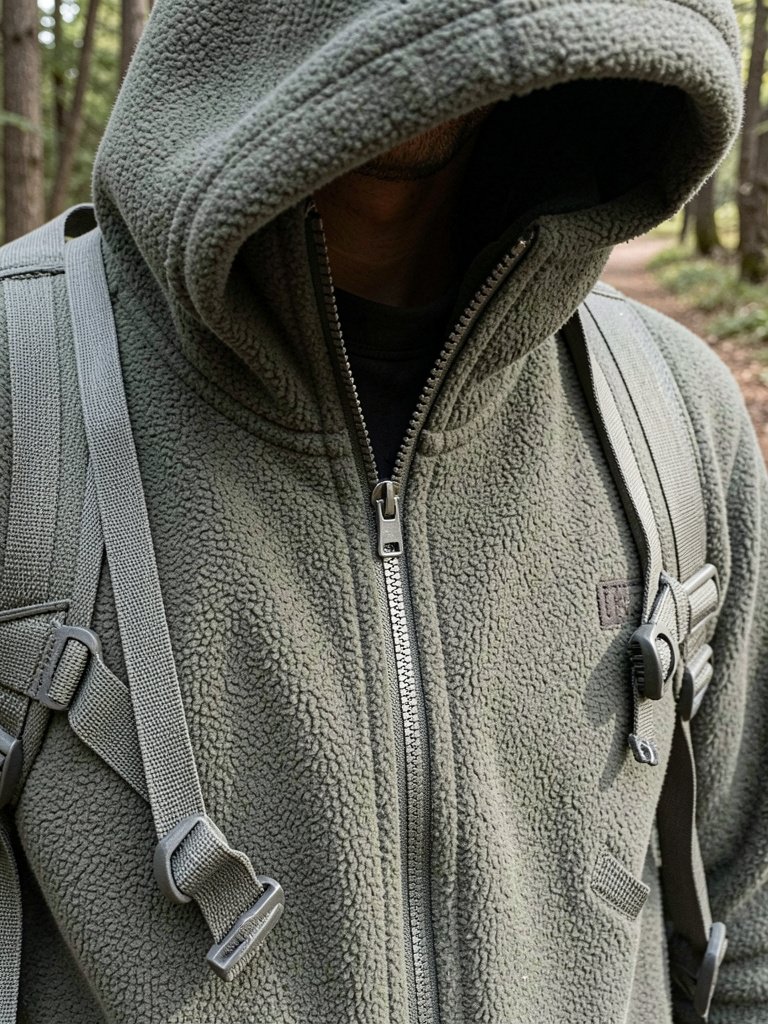
Next, I slip on the fleece pullover hoodie. It adds warmth without weight. The midweight holds heat close but lets air flow.
Now your core feels steady—ready for uphill pushes.
Insight: Full-zip lets you vent heat quick; half-zips bunch at the waist.
Don't skip smoothing the hem under your waistband. It stops ride-up on descents.
Step 3: Step into Fleece Pants
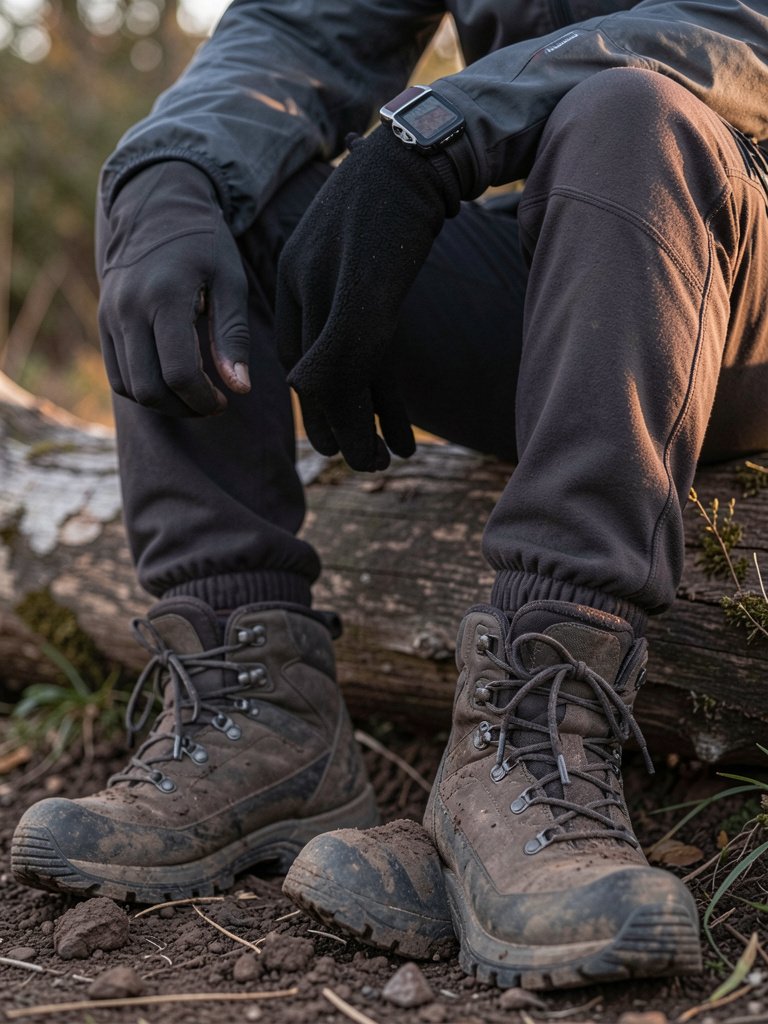
I pull on fleece-lined pants after the top. They insulate legs without stiffness. Full motion for scrambles.
Legs warm up even—no cold knees on wet ground.
Most overlook inseam vents for hot climbs; they save overheating.
Mistake to avoid: Wear them baggy. Cuff them snug over boots to block debris.
Step 4: Lace Boots and Socks Tight
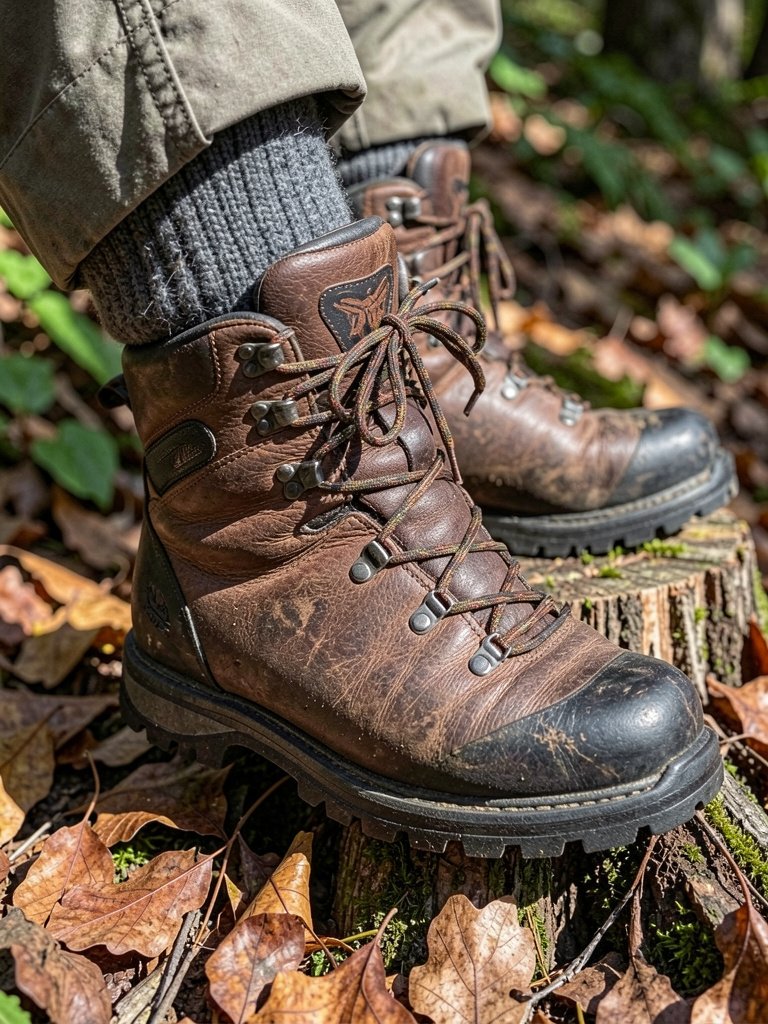
Wool socks go in first, then boots. They wick and cushion for miles.
Feet feel planted, no blisters brewing.
Key miss: Looser laces up top breathe; tight at ankle locks stability.
Never skip double-knotting. Loose ones slip on roots, twist ankles.
Step 5: Top with Shell and Adjust
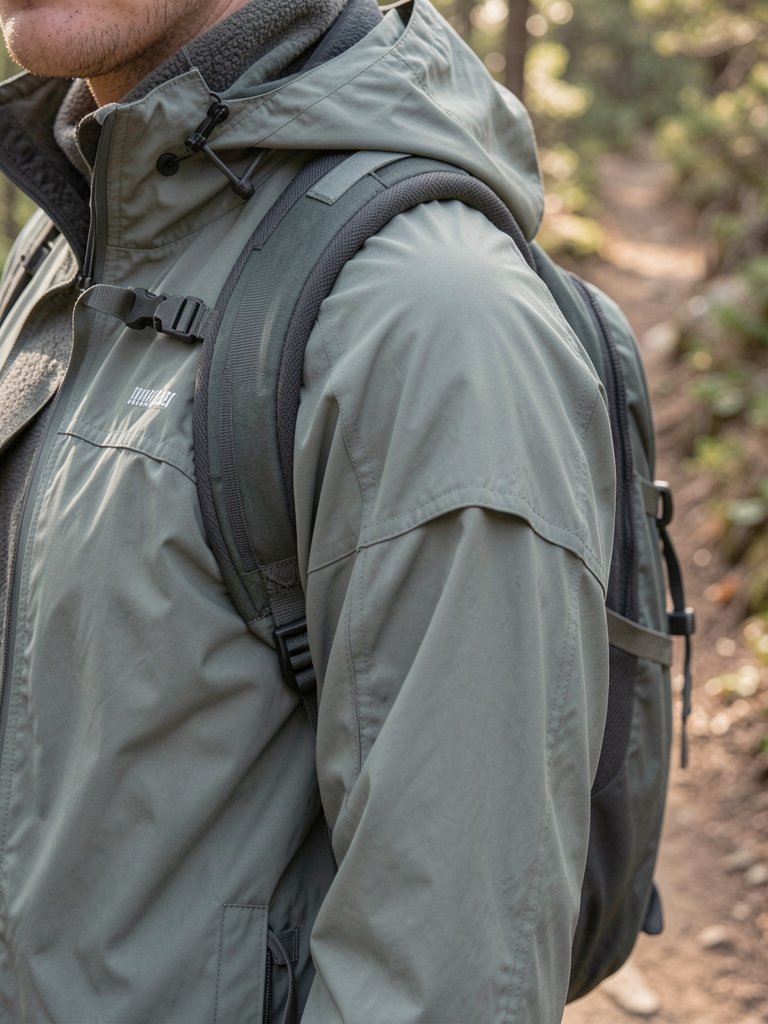
Shell jacket last. It sheds rain, keeps fleece dry. Pit zips open for breath.
Outfit seals—warm inside, cool outside. Ready for wind shifts.
Folks forget rolling sleeves for dexterity at breaks.
Avoid stuffing hands in pockets. Keep arms free for balance.
Layering for Cool Mornings
I always hike early. Cool air hits hard. Fleece midlayer traps body heat best then.
Start base layer thin. Add pullover when sun's low. Shell stays packed till dew lifts.
- Hood up blocks wind on exposed ridges.
- Pants cuffs down fully—no skin gaps.
By noon, vent everything. Layers adapt without stopping.
Handling Midday Warmth
Trails heat up fast. Fleece can trap sweat if locked in.
I unzip pullover halfway. Base shows through—cools quick.
Shell packs small in side pocket.
- Roll sleeves to elbows for arm swings.
- Loosen boot laces slightly up top.
Breathe easy. No soggy stops.
Trail Adjustments That Last
Packs rub. Branches snag. Fleece holds if worn right.
Tuck pullover hem secure each hour. Prevents twists.
- Reposition pack straps over shell seams.
- Shake out debris from cuffs at streams.
End day fresh. Outfit ready for tomorrow.
Final Thoughts
Try this on your next short loop first. Feel the difference in how you move.
No more fiddling with layers mid-hike.
You'll hike farther, calmer. It's just better out there.